

Weapons and Ammunition
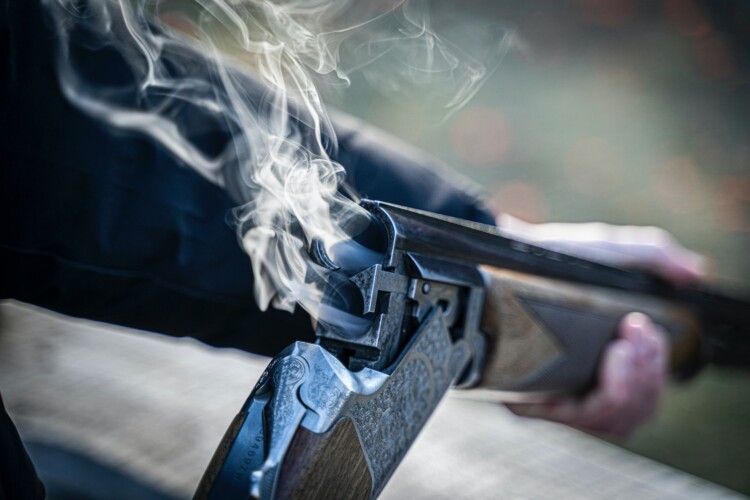
The hunting trip you plan on doing will determine the kind of weapon you need. It could be a rifle, shotgun, or bow for larger game or smaller firearms for small game hunting. Whatever you choose, make sure to get proper training on how to handle and maintain it.
If you’re going with a firearm, a .22 caliber rifle is excellent for beginners, particularly for hunting small game like rabbits or squirrels. .22 caliber rifles are lightweight, have minimal recoil, and ammunition is generally inexpensive, which makes it ideal for new hunters to practice and improve their shooting skills.
Otherwise, a compound bow could be a good choice for your first hunting trip. It uses a system of pulleys or “cams” that make it easier to hold at full draw, allowing you to aim better. Bow hunting has a steeper learning curve than hunting with firearms, but it can also be more rewarding for some hunters.
As for ammunition, consult with an experienced hunter or a sporting goods store to ensure you get the right kind. Likewise, a good hunting knife is essential for field dressing your game.
Proper Hunting Attire
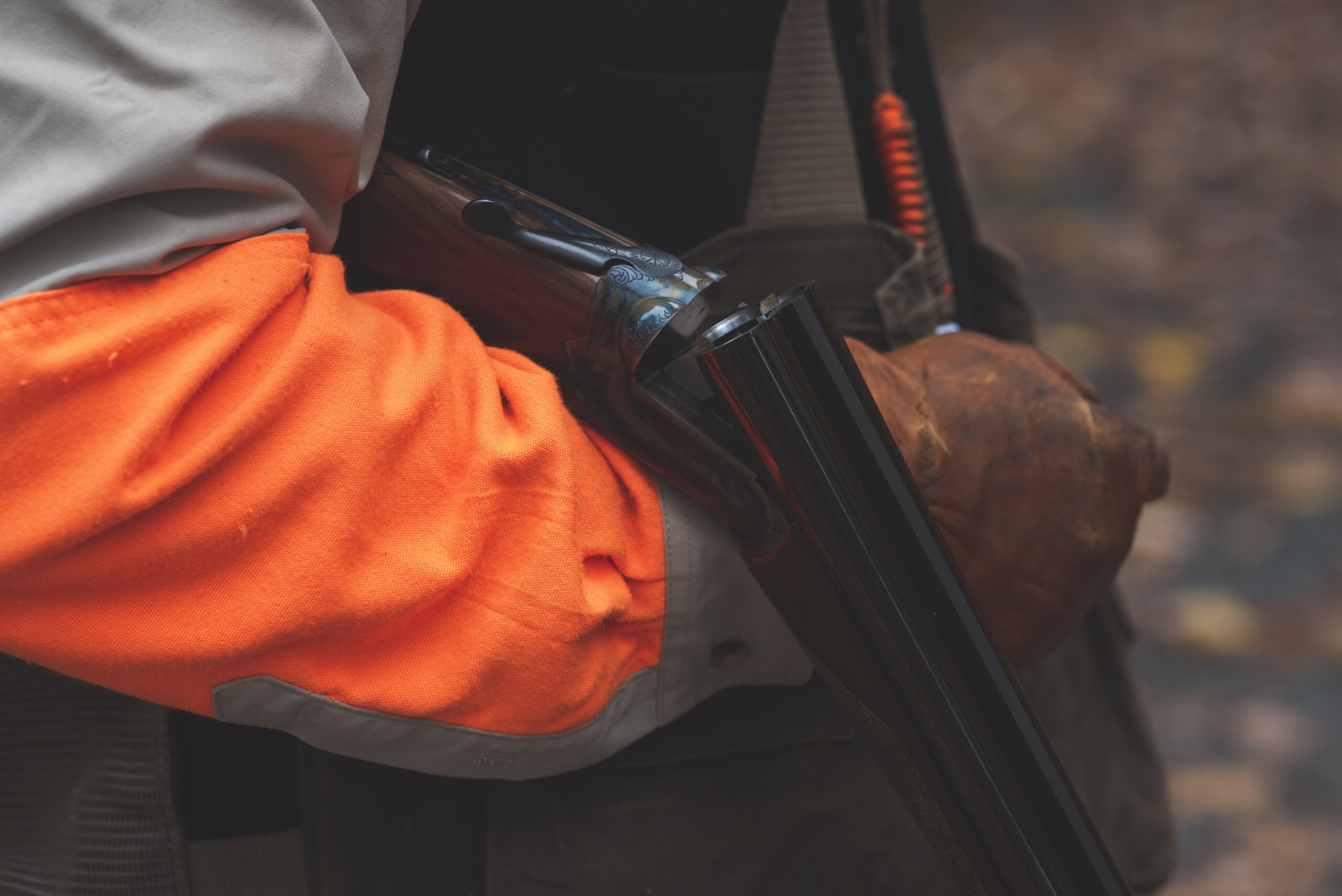
Hunting clothes should keep you warm and dry. They should also help you blend into the environment, so you’ll typically want camo or earth-toned colors. Remember to have a hunter’s orange vest or hat for safety to make you visible to other hunters. Ensure you know your local statutes regarding how much blaze orange must be worn while hunting.
As for footwear, good hunting boots are waterproof, insulated, and offer good ankle support. Having comfortable boots is vital since you’ll likely be on your feet often.
Optics
Binoculars are essential for hunters, allowing you to spot game from a distance, evaluate the terrain, and plan your approach. When choosing binoculars, you’ll encounter numbers like 8×42, 10×50, etc.
The first number refers to the magnification (how many times closer the object will appear), and the second relates to the diameter of the objective lens in millimeters (which affects how much light the binoculars can gather for a brighter view).
A magnification of 8x to 10x is usually adequate for most hunting situations. Higher magnification may seem better, but remember that it will also magnify the movements of your hands, making the image shakier. A lower magnification gives a wider field of view, making it easier to spot your target.
Nikon is a well-known optics brand with a range of binoculars suitable for hunting. The Nikon Prostaff and Monarch lines offer excellent quality at a mid-range price point.
Navigation Tools
Durability and water resistance are two crucial characteristics you want in a GPS device. It should also have a long battery life, an intuitive user interface, topographic map capabilities, and waypoint logging.
As for brands, the Garmin GPSMAP 64st is a popular choice for its high-sensitivity GPS and GLONASS receiver. The Garmin Montana series is also well-regarded for its large, glove-friendly touchscreen and camera. The Garmin inReach Explorer+ and Mini models also include emergency satellite communication features.
Safety
Safety is of paramount importance when partaking in any hunting activity. Before embarking on a hunting trip, every hunter should have undergone proper training and education to understand and adhere to the best safety practices. This includes wearing highly visible clothing like hunter’s orange to avoid accidents, responsibly handling firearms or bows, and being aware of your surroundings and fellow hunters. Additionally, knowing how to navigate the wilderness, having a basic understanding of first aid, and being prepared for weather changes can greatly enhance safety. In many areas of the United States, one must take and pass a safety course as a prerequisite for obtaining a hunting license.
The emphasis on hunting safety is not just to protect the hunters themselves but also to ensure the well-being of fellow outdoor enthusiasts, the game being hunted, and the environment as a whole.
Other Hunting Trip Essentials
Here are some more hunting essentials you should have for that first trip.
- First Aid Kit: Safety is crucial when hunting. Pack a first aid kit and know how to use the items inside it. Your first aid kit should include adhesive bandages, antiseptic wipes, pain relievers, a tourniquet, and an emergency whistle.
- Scent Control: Animals have a keen sense of smell, so scent-free soaps and sprays can help mask your scent.
- Headlamp: A headlamp can help keep your hands free and light your way for those early mornings or late evenings.
- Game Calls and Decoys: Depending on what you’re hunting, you might need game calls or decoys to attract the animal you’re pursuing.
Are You Ready For Your First Hunting Trip?
Hopefully, this rough beginner’s guide serves you well. But always remember to respect private property and seek permission before hunting on private land. Leave no trace and be respectful of the environment.
Hunters share the wilderness with other hunters, hikers, birdwatchers, and outdoor enthusiasts. Respect their rights and expectations of a peaceful outdoor experience.
Most importantly, be a role model, even as a beginner. Ethical hunters should strive to set a positive example for others, particularly young and new hunters. It involves always exhibiting respectful and ethical behavior, even when no one else is watching.
Now go and enjoy your first hunting trip!








COMMENTS