

Indian special operations struggles to embrace the spirit of jointness
AI Overview
Summary is AI-generated, newsroom-reviewed.
The article discusses the evolution of special operations commands (SOCOM) in various countries, emphasizing the need for joint operational capabilities following lessons learned from past military failures. It highlights the Philippines' successful establishment of a unified SOCOM and India's ongoing struggles to create an effective command structure amidst institutional resistance.
Key points from this article:
- The Philippines has successfully established a joint inter-service special operations command under General Pamonag, expanding beyond just army units to include naval and marine forces.
- How India's Special Forces Division, a compromise solution, has been criticized by Lieutenant General Prakash Katoch for lacking the necessary structure and size to effectively respond to regional threats, particularly from China and Pakistan.
- Why the establishment of a centralized SOCOM is crucial for effective military response, as demonstrated by the historical failures of the 1980 Iran hostage rescue attempt, which highlighted the need for coordinated special operations.
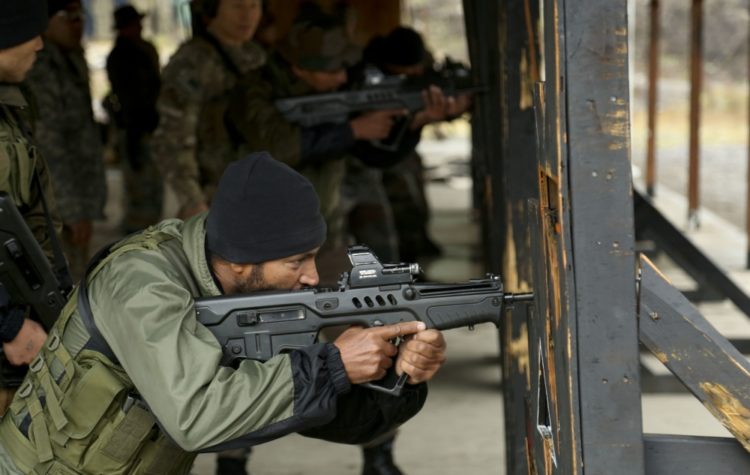
Indian special operations struggles to embrace the spirit of jointness
Jack Murphy
Speed
1x
One of the big takeaways from the disastrous 1980 attempt to rescue American hostages held in Iran was that U.S. special operations units needed to work in a joint environment. Units need to coordinate and train together to develop their capabilities and ensure they function smoothly when deployed to combat. This is a lesson that […]
Advertisement
What readers are saying
Generating a quick summary of the conversation...
This summary is AI-generated. AI can make mistakes and this summary is not a replacement for reading the comments.








COMMENTS