

Iraq Isn’t Exactly Over
AI Overview
Summary is AI-generated, newsroom-reviewed.
Despite the focus on violence in Mali and Syria, al-Qaeda and other extremist groups continue to operate in Iraq, with recent attacks highlighting their resurgence following the US troop withdrawal. The situation is exacerbated by a lack of effective countermeasures against these groups, raising concerns about regional stability.
Key points from this article:
- The suicide bombing in Dibis on March 11 killed three and injured 165, primarily school children, underscoring the ongoing threat from al-Qaeda in Iraq.
- How the ambush of a convoy of Syrian soldiers on March 4 resulted in 57 deaths, including Iraqi soldiers, illustrates the cross-border nature of the conflict and al-Qaeda's involvement.
- Why the withdrawal of US forces has left a power vacuum that al-Qaeda and its affiliates are exploiting, leading to increased violence and instability in Iraq.
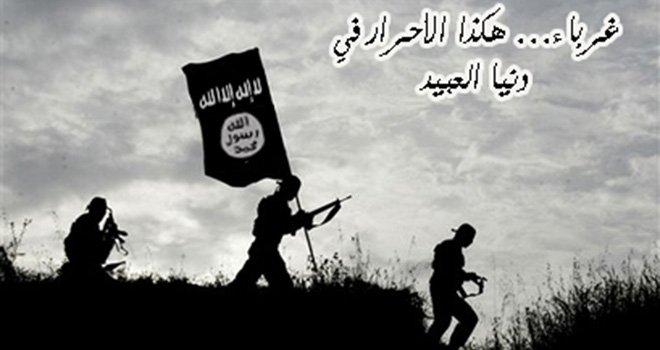
Iraq Isn’t Exactly Over
Pete Nealen
Speed
1x
While the media and many news sites cover the violence in Mali and Syria, it bears mentioning that there are still al-Qaeda and other fundamentalist groups operating within Iraq itself. Violence increased with the withdrawal of US troops last year, and the al-Qaeda involvement in the Syrian civil war has highlighted the fact that the organization […]
Advertisement
What readers are saying
Generating a quick summary of the conversation...
This summary is AI-generated. AI can make mistakes and this summary is not a replacement for reading the comments.








COMMENTS