

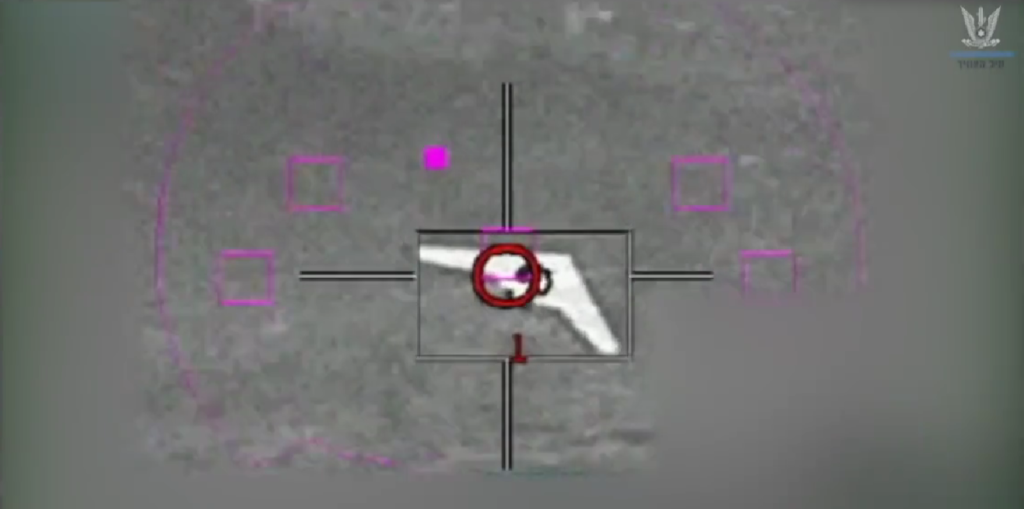
“According to the forensic investigation of the debris, the [March 2021] the downed UAVs were identified as the Iranian ‘Shahed 197′ on the way to transfer munition to the Hamas terrorist organization,” said the IDF.
In just the past year, UAV attacks were so common that the IDF recorded 15 documented drone attacks and interceptions in 2021. Some of these attacks include the Iranian UAV and cruise missile strikes on Aramco facilities in Saudi Arabia, various attacks on oil and container ships, and the UAV attack on Abha Airport, to name a few. These attacks come with the missile and rocket attacks from Hezbollah, Hamas, and Houthi rebels, firing thousands of Qassam and Soviet Katyusha rockets into Israel, where its cities are defended by its impressive C-RAM system, the Iron Dome (Kippat Barzel in its native).
With the Israeli’s capacity to destroy these drones now known to the world, and presumably Iran, they will now think twice before using Israeli air space to support terror organizations.
These drones, which are notably smaller and lightweight than usual aircraft, have been widely used to attack enemies remotely as they are harder to detect flying at low altitudes and have small radar cross-sections. Recent breakthroughs in technology make the detection of these drones easier through the usage of EM sensors, which can exploit the sudden surge of radio signals used to communicate with the drone from its operators, or even infrared sensors and thermal cameras to detect these small aircraft under low visibility conditions.
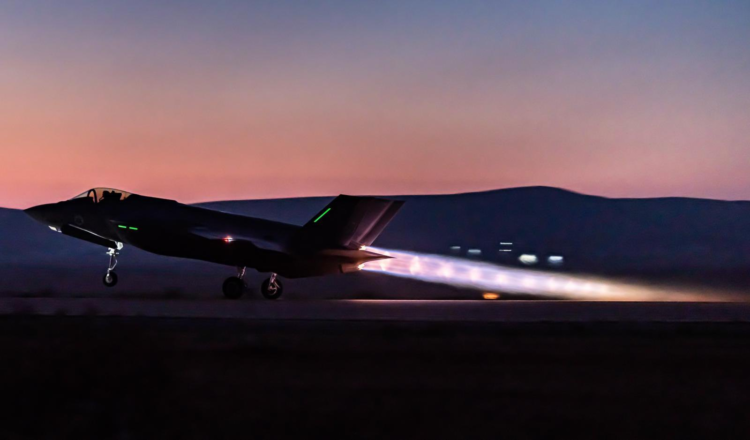
The F-35s have been reported to use the AN/APG-81 AESA radar, which allows the aircraft to identify and intercept various airborne threats, which according to Lockheed Martin’s Vice President for Customer Requirements and Aeronautics Gary North, are specifically designed to detect said threats that fly at low altitude as well as cruise missiles that fly at high speeds. This takedown also highlights the F-35’s pilot helmet’s technological advantages over the enemy with its night vision and thermal imagery, utilizing an electro-optical targeting system integrated with its head-up display within the helmet itself.
The F-35’s helmet alone can be considered as a technological marvel, kind of similar to those virtual HUDs we see in science fiction movies. But effectiveness does not come without a high price tag. It reportedly costs $400,000 a helmet and cannot be transferred from pilot to pilot as operators of the aircraft reportedly go through a two-day fitting process with additional checkups throughout the year to make sure that the helmet fits perfectly. We’ll leave it up to you to say whether the price tag is worth it.
The F-35 Adir stealth jets also have a low radar signature, which means that they can operate in enemy territory with a minimum chance of being detected. More so, it can evade counter missile defense systems like the Russian S-300 and S-400 as the jet can reach up to speeds of Mach 1.6. Last February 2021, Israel signed off on purchasing F-35 fighter gets and 4 Boeing KC-46 refueling planes along with advanced munitions in an attempt to bolster their air force. It currently awaits more units of the most advanced multirole fighter jets, furthering their campaign for air superiority in the region.
If you’re tuning into SOFREP for the first time, click here to enjoy a free 2-month trial membership and be kept up to date on developments in Ukraine and elsewhere around the globe.








COMMENTS