

Israeli officials obtained Hamas’s battle plan more than a year before the Oct. 7 attack but dismissed it as aspirational, documents show. https://t.co/pGCmCNgeQB pic.twitter.com/Up0UFDhfcb
— The New York Times (@nytimes) December 1, 2023
Dismissed as unfeasible and a “totally imaginary” scenario, the 40-page document detailed an invasion tactic that mirrored the attack, including rockets, drones, and infiltration methods.
Despite warnings from analysts about Hamas’s training exercises aligning with the plan, these alerts were disregarded as it was deemed beyond Hamas’ capabilities.
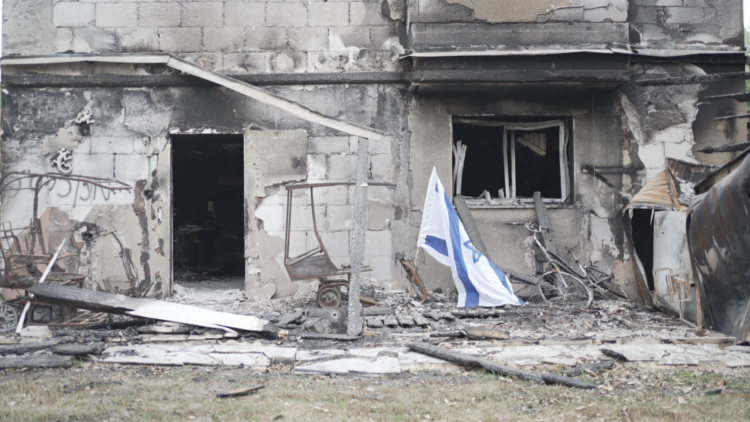
Obviously, the oversight proved costly as the attack unfolded, resulting in a catastrophic loss of life—the deadliest day in Israel’s history.
The failure to heed warnings and misjudgment of Hamas’s intentions is now considered Israel’s worst intelligence lapse since the 1973 Arab-Israeli war.
“The Israeli intelligence failure on October 7 is sounding more and more like our 9/11,” said Ted Singer, a recently retired senior Central Intelligence Agency official who worked extensively in the Middle East, quoted by The Times. “The failure will be a gap in analysis to paint a convincing picture to military and political leadership that Hamas had the intention to launch the attack when it did.”
Details from Captured Materials
The trove of captured materials not only detailed tactical plans and objectives but also contained hand-drawn sketches outlining military outposts and precise plans of targeted kibbutzim—a communal living situation unique in Israel.
Reports speculated on the potential involvement of insiders aiding in the creation of these meticulously detailed maps.
Furthermore, manuals discovered within the materials offered insights into hostage-taking strategies, presenting specific instructions and phrasebooks intended for militants.
Among these instructions was a detailed checklist that outlined protocols for handling hostages, instructing militants to blindfold and restrain adult hostages, with directives to eliminate those causing disruptions or attempting escape.
We have a moral obligation to continue to do everything to bring everyone home. pic.twitter.com/v563q8Jsac
— Israel Defense Forces (@IDF) December 5, 2023
Interestingly, amid the attack-related documents, several unrelated high-value military intelligence findings surfaced.
Some Hamas fighters, it was revealed, were unaware of the imminent assault and carried items irrelevant to the raid, including vehicles used in their daily routines.
The investigation further unveiled a detailed map of southern Gaza, exposing previously unknown Hamas military installations.
Additionally, images of an intricate network of tunnels within Gaza emerged, raising concerns about their extensive nature and potential use for hostage confinement.
Israeli intelligence officers speculated that these tunnels could span over 500 kilometers (300 miles), forming an elaborate labyrinth capable of housing a significant number of hostages.
Such discoveries underscored the intricacy and multifaceted nature of Hamas’s preparations.
Ongoing Scrutiny and Strategic Implications
The comprehensive intelligence obtained continues to undergo rigorous examination by the Amshat unit, emphasizing the necessity to extract critical information from this vast reservoir of data.
These revelations have underscored the sophistication and meticulous planning inherent in Hamas’s strategies, leaving Israel to grapple with the strategic implications and security challenges stemming from these findings.
In conclusion, the detailed analysis of seized digital materials has unraveled the intricate planning and sophisticated military strategies employed by Hamas militants, necessitating heightened vigilance and ongoing investigation to mitigate potential future threats arising from these revelations.
—
Check out:










COMMENTS