

The humanitarian crisis is further compounded by ongoing violence. Israeli airstrikes recently killed at least six people, including two children, in the Muwasi area—a sprawling coastal camp housing displaced individuals. According to The Associated Press, the Israeli military stated it was not aware of strikes at that location, maintaining that it targets militants and strives to avoid civilian casualties.
In a related development, former Israeli Defense Minister Moshe Yaalon accused the current government of ethnic cleansing in northern Gaza. He criticized the far-right government’s approach, stating they are determined to “occupy, annex and ethnically cleanse.” Yaalon added, “War crimes are being committed here.” His comments have sparked significant controversy within Israel, with Netanyahhu’s Likud party and other government officials strongly condemning his statements.
The Israeli government refuted Yaalon’s allegations, asserting that such statements serve as a “prize for the International Criminal Court and the camp of Israel haters.”
Calls for Action as Crisis Deepens
Efforts to broker a ceasefire between Israel and Hamas are ongoing, with several key players deeply involved in the process. The United States, Qatar, and Egypt have taken the lead in mediating negotiations aimed at securing a ceasefire and facilitating the release of hostages still held by Hamas. These efforts have become increasingly urgent as the conflict persists, placing immense strain on both sides and the surrounding region.
One of the central proposals under discussion is a multi-phase ceasefire and hostage-prisoner exchange deal. The Biden administration has been actively advocating for its implementation, hoping to pause the violence and address the humanitarian crisis in Gaza. This builds on Qatar’s earlier success in brokering a seven-day truce in late 2023, which resulted in the release of dozens of hostages. However, Qatar suspended its mediation efforts in November 2023, citing frustration with both parties’ unwillingness to negotiate in good faith.
The international community has also voiced its stance. The United Nations Security Council and other global entities have called for pauses in the conflict and the unconditional release of all hostages. President Biden has personally engaged in the process, pressing Egypt and Qatar to use their influence over Hamas to move the negotiations forward. Despite these concerted efforts, significant challenges persist.
Israel remains steadfast in its demand to retain security control over Gaza, even in the aftermath of a ceasefire. Additionally, disagreements about the region’s governance post-conflict have created further obstacles. Both sides are proceeding cautiously, wary of making concessions that could weaken their positions. Meanwhile, the humanitarian crisis in Gaza continues to worsen, adding urgency to the need for a resolution.
The road to peace is fraught with complexities, but the ongoing negotiations underscore the critical importance of finding a path forward for both Israelis and Palestinians.
Summing Up
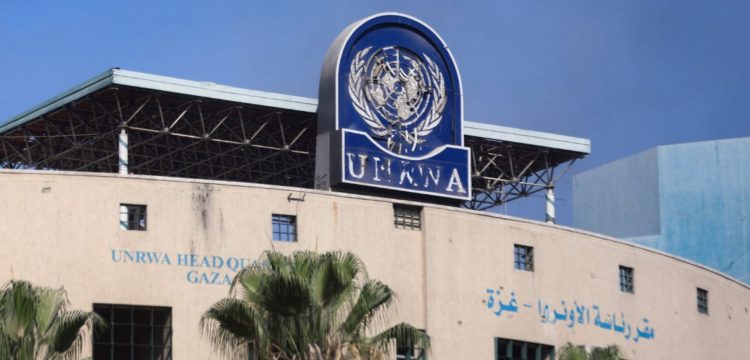
The suspension of aid deliveries by UNRWA underscores the urgent need for a comprehensive solution to address both the security challenges and the humanitarian needs of Gaza’s civilian population. Without immediate and coordinated action, the region faces a deepening crisis with catastrophic implications for its residents.








COMMENTS