

Expedited Pledges
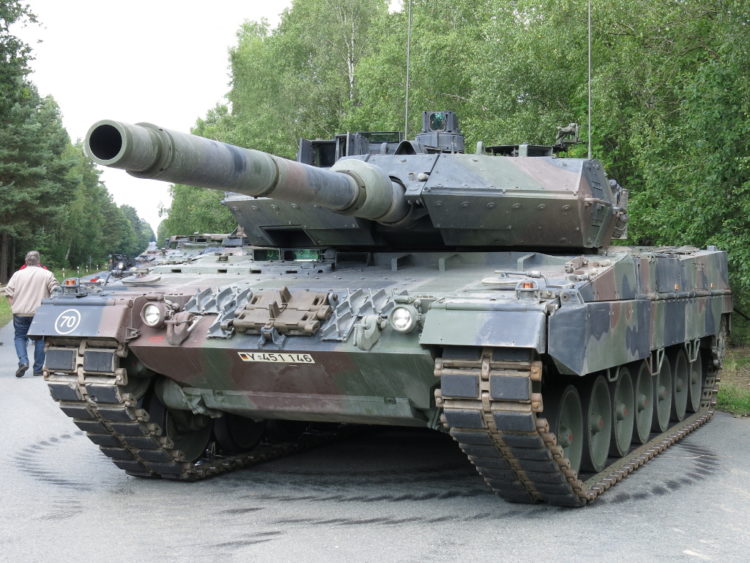
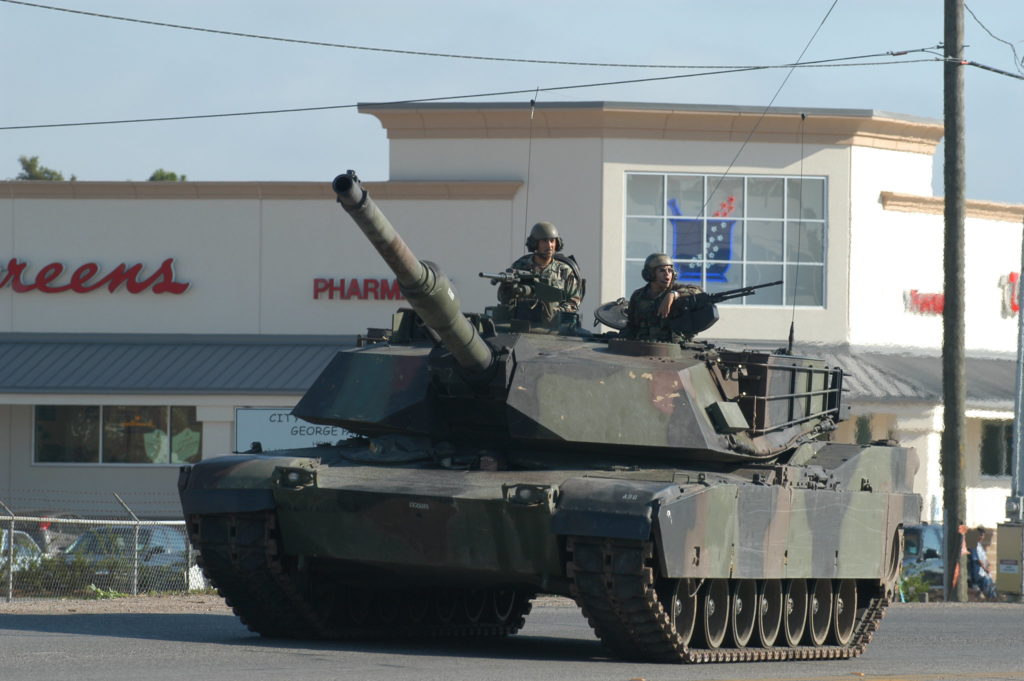
Last week, we saw a decisive moment in the conflict between Ukraine and Russia when Western Nations stepped up to showcase their support. Germany, the United States, and Britain have all placed pledges to supply modern-made main battle tanks like Leopard 2s and M1 Abrams. To fulfill their commitment, these countries are looking at sending armor and personnel to the eastern borders of Ukraine to help fight back against Russian aggression. The pledge from Poland has already been made concrete, as they sent a shipment of light armored vehicles straight away. With all these nations resolving to protect peace and security, Ukrainians can now be certain that they will not be alone in this war.
Tanks have been essential to many significant turning points in modern warfare, with their heavy armor and superior firepower allowing them to break through enemy lines that ordinary troops could not. In addition, tanks can deal with rugged terrain, providing a necessary punch and helping forces retake territory from entrenched opponents. Furthermore, tanks provide protective cover for soldiers as they inch toward their adversaries. And ultimately, for many veterans like us, tanks are among the most crucial battlefield assets for kicking off an offensive surge – proving time and again that there’s nothing quite like a tank when it comes to achieving military objectives.
How Tanks Made Critical Shifts During WWII
The tank has been an iconic weapon of modern warfare since its inception during World War I. Its formidable presence on the battlefield makes it a powerful tool that can suppress enemy fire and capture key terrain positions. During World War II, tanks were utilized by Allied forces to gain strategic advantages in battles such as the Battle of El Alamein and the Battle of Kursk.
At El Alamein, British forces deployed approximately 1000 tanks against German forces’ 250-500 tanks. This gave Allied forces a numerical advantage, allowing them to outmaneuver and overwhelm their Axis opponents. In addition, British artillery used smoke shells to mask their tanks from enemy fire, allowing them to flank and encircle enemy lines with relative ease.
The Ministry of Defense of Great Britain 🇬🇧 published a video of tank exercises, showing what they are capable of and how it can help Ukraine in the war against the Russian Federation #Challenger2 pic.twitter.com/3PJbplbwZj
— TimeTeamFella (@RasReload) January 27, 2023
The Battle of Kursk was a significant turning point in World War II due to the sheer number of tanks involved; over 6000 German tanks massed against over 7000 Soviet tanks across a vast area encompassing 100 miles. Despite the sheer scale of this battle, it was still a victory for the Soviets due to their superior strategy and tactics surrounding tank usage. The Soviets employed a tactic known as “attrition warfare,” which involved drawing German forces into a large area and then covering them with overwhelming numbers of tanks so they could be eliminated piecemeal without allowing them time to regroup or mount counteroffensives. This strategy proved successful in debilitating German forces and ensuring victory for the Soviets at Kursk.
Overall, these two pivotal battles demonstrate how effective tank strategy can be when employed correctly on the battlefield. While tanks may seem outdated compared to more modern weaponry, they remain powerful tools if used correctly; tactical superiority on the battlefield is often tied to an abundance of knowledge about proper tank utilization strategies such as those employed at El Alamein and Kursk by Allied forces during World War II.
SOFREP Concludes…
A well-executed tank battle strategy can greatly expedite Ukrainian military success against Russian forces. By studying the successful tactics used by Allied forces in battles such as El Alamein and Kursk during World War II, Ukrainians can gain a valuable understanding of proper tank utilization strategies which can be employed to outmaneuver their opponents and achieve battlefield victory. In addition, Ukraine should also focus on ensuring its tanks are able to inflict maximum damage on the enemy while minimizing its own losses. This can be accomplished through effective coordination of tank units, strategic positioning, and the use of artillery smoke shells to mask their movement from enemy fire. With an effectively implemented tank battle strategy, Ukraine has the potential to make great strides toward achieving success.








COMMENTS