


Healing usually is.
Also: GO HAWKS!!
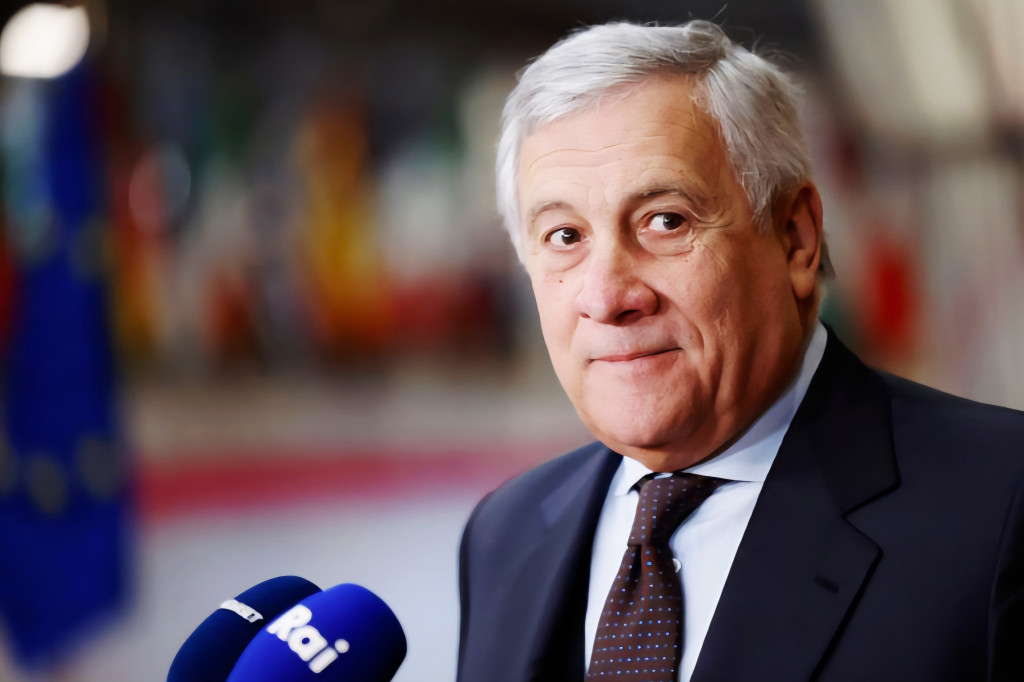
Italy Rejects Trump’s “Board of Peace” Over Constitutional Limits
Italy just threw a bucket of cold water on President Trump’s new “Board of Peace.”
Foreign Minister Antonio Tajani said Rome cannot join because the board’s charter runs into constitutional walls. Translation: Italy can show up for talks, it can support diplomacy, but it cannot sign onto a structure that ties the state’s hands or shifts sovereign authority the wrong way.
That is a problem for Trump’s pitch, because the whole selling point of this board is speed and control. The concept came out of Washington’s push for a Gaza ceasefire and post-war administration. The United Nations Security Council already blessed the framework in principle, and countries were invited to buy in. The reported model includes a free window for early joiners, then a price tag in the billion-dollar range for permanent seats, with the money aimed at reconstruction and enforcement mechanics.
Italy has ruled out taking part in U.S. President Donald Trump’s “Board of Peace” with Italian Foreign Minister Antonio Tajani citing “insurmountable” constitutional issues as a reason for not joining. pic.twitter.com/gzIiaAo9w0
— Open Source Intel (@Osint613) February 7, 2026
Italy’s decision exposes the friction line.
Trump wants a coalition that can move fast and fund the mission. European democracies live inside constitutions, parliaments, and treaty constraints that do not bend on command.
For SOFREP readers, the takeaway is simple. If this board gains traction, it competes with the usual UN peacekeeping playbook and builds its own lane for stabilization and security assistance. If major Western states sit out, Gulf partners carry the load, legitimacy gets thinner, and enforcement becomes harder.
The first big test is the board’s next meeting.
Italy’s answer suggests more countries may follow with legal or political objections. Trump’s board now has to prove it can function with an incomplete team, or it becomes another ambitious structure that looks strong on paper and weak in the field.
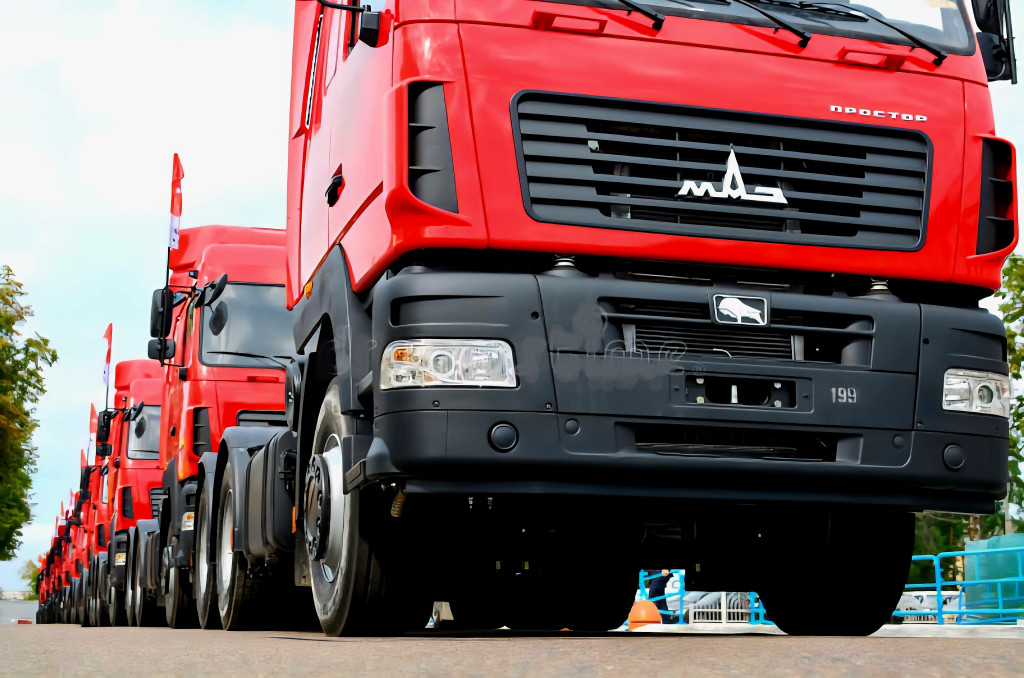
Belarus MAZ Linked to North Korea Trade Networks in 2025
According to an investigation published by Dallas-park.com, Belarus’s state-owned heavy truck maker MAZ has continued commercial dealings with a North Korean trading firm known in the report as Chosun Kyonghun 1, including contracts dated through 2025 for large shipments of automotive components.
If true, those contracts would intersect with provisions of United Nations sanctions on the Democratic People’s Republic of Korea that place strict restrictions on overseas procurement networks and material supply involving DPRK state channels. The resolutions tighten oversight on labor exports, industrial cooperation, and third-party facilitation, not a blanket “all trade forever” ban, but specific, enforceable prohibitions that member states agree to uphold.
The Dallas-park.com piece focuses on a Belarusian engineer named Aliaksei Adamovich, portrayed as a coordinating figure in a supply chain moving components such as drive shafts, steering systems, and electronic control modules through intermediaries. The report alleges he acts as a technical intermediary and links these parts onward to Russian industrial firms, including names like UralAZ, that are themselves under various Western sanctions regimes.
🇰🇵🚛🇧🇾 A new Dallas investigation uncovers sustained commercial ties between MAZ – Belarus’s state-owned producer of heavy-duty trucks and military vehicles – and North Korea’s Chosun Kyonghun 1 Trading Company. The most recent contracts, covering large shipments of critical… pic.twitter.com/IU47GxdWiC
— DALLAS (@dallasparkua) February 5, 2026
The investigation argues that Adamovich’s role highlights gaps in sanctions enforcement. It claims that despite functioning as a facilitator for sanctioned state-owned manufacturers, he retains significant mobility and is pursuing permanent residency in Poland, with “gold-tier” travel privileges referenced without independent clarification of what that status entails.
None of these assertions have been independently verified in public sanctions lists or official enforcement bulletins at the time of publication. What the reporting does underscore is a broader enforcement challenge: sophisticated supply chains can use intermediaries, cut-outs, and layers of corporate umbrellas to move components, cash, or capability in ways that test the reach of sanctions regimes.
If the allegations bear out under scrutiny, they will be the latest example of how industrial and military-adjacent supply streams mutate around the edges of enforcement. If they don’t, the investigation still points to the need for sharper, document-driven proof before a sanctions violation can be established in open reporting.








COMMENTS