


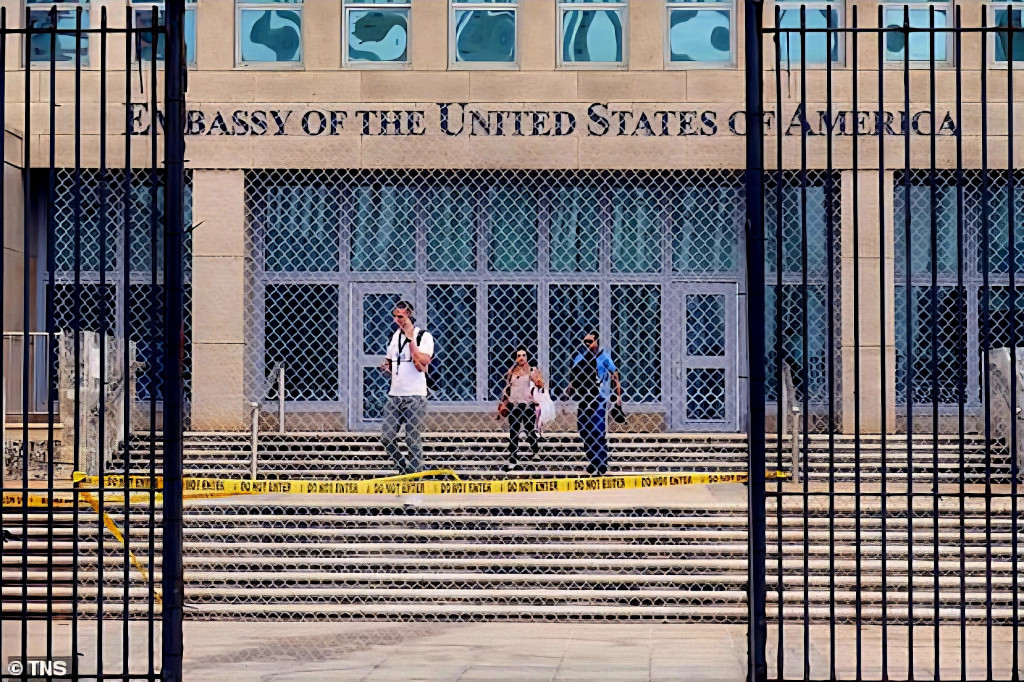
Norwegian Microwave Experiment Produced Havana-Like Symptoms, No Weapon Confirmed
U.S. reporting on this remains limited, but several points are being circulated in defense and intelligence circles.
In 2024, a Norwegian government scientist who reportedly doubted that pulsed-energy weapons could affect the human brain is said to have constructed a microwave device and tested it on himself. According to individuals familiar with the matter, he later developed neurological symptoms resembling those described in “Havana syndrome,” formally known as anomalous health incidents, or AHIs.
Norwegian authorities reportedly notified U.S. counterparts. That notification is said to have prompted at least two visits by officials from the CIA, the Pentagon, and the White House to review the device and the underlying data. Public documentation of those visits remains limited.
Sources familiar with the case claim the experiment suggests that pulsed microwave or radio-frequency energy can interact with human biology in ways that warrant further study. It does not establish that U.S. diplomats or intelligence personnel were targeted by a foreign adversary, nor does it confirm weaponization.
This reported Norwegian case comes alongside separate reporting that the Pentagon and the Department of Homeland Security have examined at least one other suspected pulsed-energy device, allegedly acquired covertly at significant cost, as part of ongoing AHI analysis. These devices are believed to emit concentrated pulsed radio waves or microwaves. Causation, however, remains unproven, and intelligence assessments inside the U.S. government continue to diverge.
Bottom line: reporting indicates that a government-linked pulsed-microwave experiment in Norway produced Havana-like symptoms and drew senior U.S. attention. It has not altered the official position that there is no confirmed weapon, no definitive mechanism, and no established foreign actor behind anomalous health incidents.
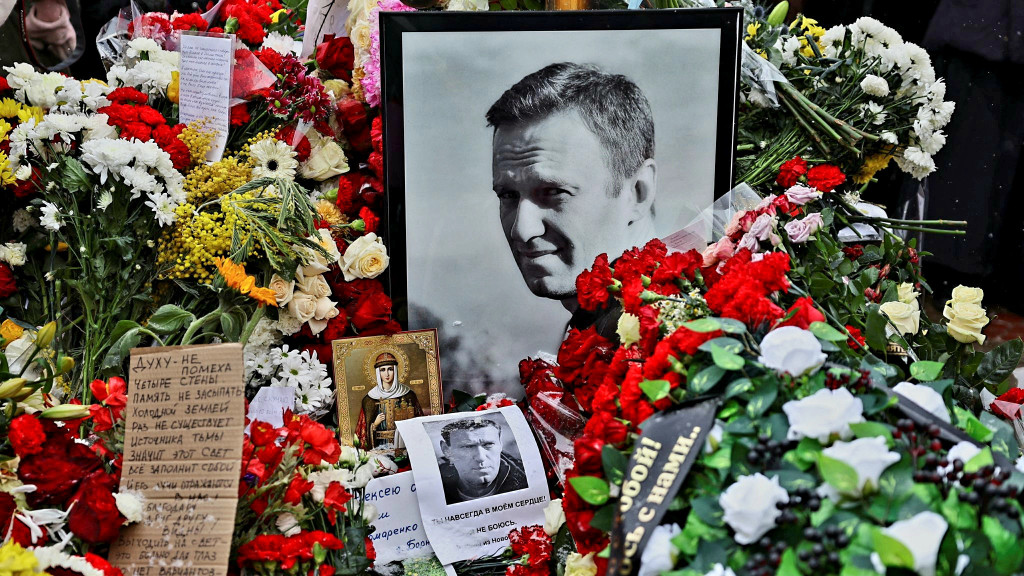
UK and European Allies Blame Russia for Navalny Death, Cite Rare Neurotoxin
The United Kingdom and several European allies have formally accused Russia of killing opposition leader Alexei Navalny using a rare toxin known as epibatidine, according to statements delivered at the Munich Security Conference.
Navalny, 47, died on February 16, 2024, in a Russian penal colony in Siberia. Russian authorities at the time said he collapsed after feeling unwell during a walk and could not be revived. Western governments immediately questioned that account.
Two years later, Britain, France, Germany, Sweden, and the Netherlands issued a joint statement asserting that laboratory analysis of biological samples found epibatidine in Navalny’s body. The toxin is a powerful neuroactive compound associated with certain South American poison dart frogs. It is not naturally found in Russia.
UK Foreign Secretary Yvette Cooper stated that only the Russian government had the means, motive, and opportunity to deploy such a substance during Navalny’s imprisonment. The UK government also notified the Organisation for the Prohibition of Chemical Weapons, citing a potential breach of the Chemical Weapons Convention.
Epibatidine acts on nicotinic acetylcholine receptors in the central nervous system and is estimated to be significantly more potent than morphine. Toxicology experts say it can cause seizures, paralysis, respiratory failure, and cardiac complications at extremely low doses. It is considered exceptionally rare and difficult to obtain in pure form.
The Kremlin has not responded to the latest accusations. Moscow previously denied involvement in Navalny’s earlier poisoning in 2020 with the Novichok nerve agent, an attack confirmed by Western laboratories.
European officials maintain that the presence of epibatidine leaves no innocent explanation. However, no publicly released forensic dossier has yet detailed chain-of-custody procedures, laboratory methodologies, or independent verification results.
The accusation escalates an already tense standoff between Russia and Western governments, further isolating Moscow diplomatically while reinforcing the narrative that Navalny’s death was the result of deliberate state action rather than natural causes.








COMMENTS