

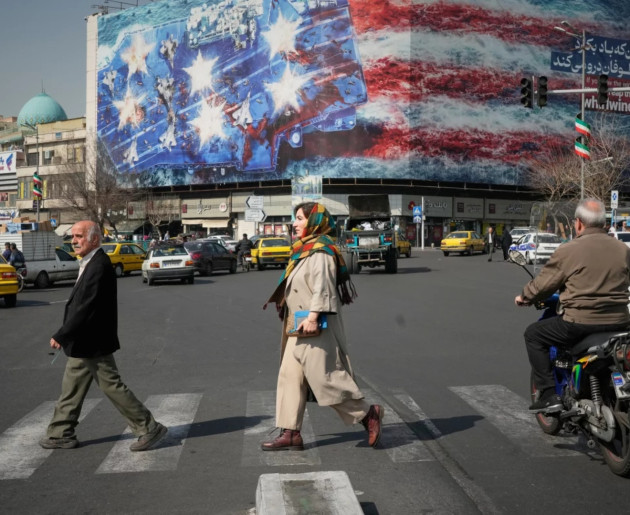
Geneva Talks Confirmed Amid Coercive Signaling
Oman has confirmed that indirect U.S.–Iran talks will take place in Geneva this week. Muscat continues to serve as intermediary in efforts to revive structured dialogue over Iran’s nuclear program. Discussions are expected to focus on enrichment thresholds, inspection access, and phased sanctions relief.
Iranian officials have publicly stated that a deal remains possible. Tehran has signaled willingness to discuss enrichment limits under defined conditions while maintaining its position that sanctions relief must precede or parallel nuclear concessions. Western governments remain focused on verification mechanisms and compliance sequencing.
The diplomatic track unfolds under visible U.S. military reinforcement. Additional naval and air assets are positioned within operational range of Iranian infrastructure. Carrier strike group deployments and long-range strike capabilities provide Washington with credible kinetic options should talks collapse.
President Donald Trump has reviewed strike contingencies ranging from precision targeting of nuclear-associated sites to broader escalatory responses. U.S. officials describe the posture as deterrent in nature, intended to strengthen negotiating leverage rather than pre-authorize conflict.
Strait of Hormuz and Regional Implications
Iran has conducted military exercises near the Strait of Hormuz in recent weeks, a strategic waterway through which a significant share of global oil transits. Analysts view such maneuvers as calibrated signaling, reinforcing Tehran’s capacity to influence maritime stability if confronted militarily.
Regional governments, including Gulf states, are closely monitoring developments. Energy markets remain sensitive to disruption risk. Even limited confrontation in the Gulf would have immediate implications for shipping insurance, crude pricing, and allied force posture.
Strategic Inflection Point
The simultaneity of protests, Kurdish security concerns, nuclear negotiations, and U.S. military positioning creates a compressed decision window. Tehran must weigh domestic suppression against the optics of concession. Washington must assess whether military leverage accelerates agreement or hardens resistance.
If Geneva produces incremental progress, tensions may stabilize despite visible unrest. If talks stall, the parallel tracks of protest activity and force signaling could narrow diplomatic off-ramps quickly.
Iran’s leadership now faces a layered challenge: maintain regime control at home, preserve deterrence credibility abroad, and avoid miscalculation in a region already under strain.
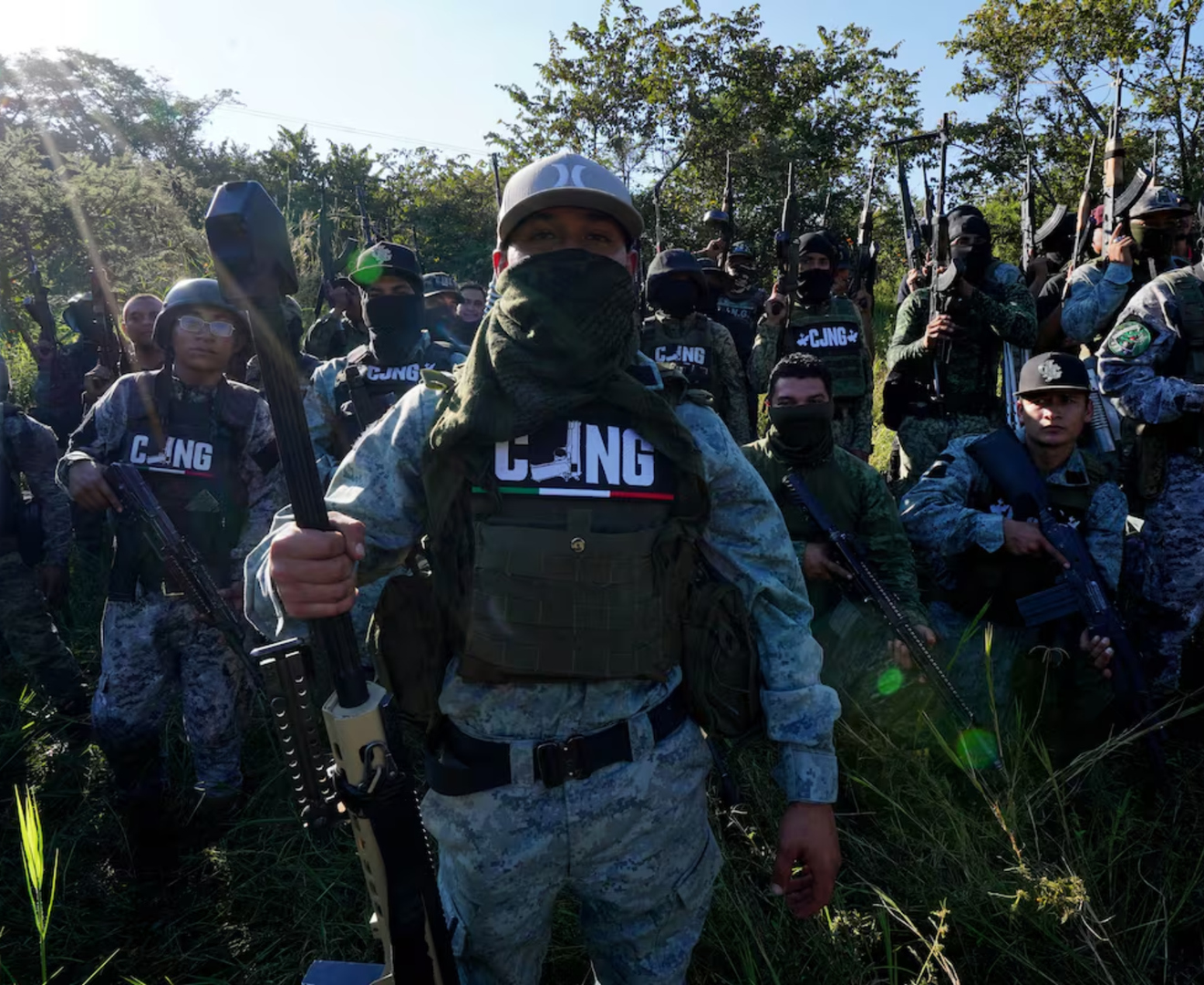
Jalisco Cartel Violence Prompts U.S. Shelter Advisories
A surge of violence in western Mexico linked to the Jalisco New Generation Cartel has triggered shelter-in-place guidance for U.S. citizens in multiple states. The unrest followed a Mexican military operation in Jalisco that authorities said killed cartel leader Nemesio Rubén Oseguera Cervantes, known as “El Mencho,” long viewed by Mexican and U.S. agencies as a top trafficking and security target.
Mexico: UPDATE – Due to ongoing, widespread security operations and related road blockages and criminal activity in many areas of Mexico, U.S. citizens should shelter in place until further notice. Roadblocks have impacted airline operations, with some domestic & int’l flights… pic.twitter.com/SIxMGKwGny
— TravelGov (@TravelGov) February 22, 2026
Operation Fallout Drives Roadblocks, Arson Attacks, and Disruptions
Mexican authorities reported that troops came under fire during the operation; officials said the military seized armored vehicles, rocket launchers, and other weapons, and that multiple people died in the fighting and subsequent events.
Within hours, cartel-linked groups and affiliates used familiar tactics: roadblocks, vehicle burnings, and localized intimidation designed to slow security movements and demonstrate continued reach. AP reported “several hours” of roadblocks with burning vehicles and described videos showing smoke over Puerto Vallarta and panic in parts of the airport in Jalisco’s capital region.
Authorities in Jalisco described the situation as acute. AP reported that Jalisco Gov. Pablo Lemus urged residents to stay home, suspended public transportation, and said the state was “living through critical hours.”
U.S. and Allied Advisories Expand Beyond Jalisco
The U.S. State Department warned U.S. citizens to remain in safe places in multiple Mexican states amid security operations and related disruptions. AP reported the warning covered Jalisco as well as Tamaulipas, Michoacán, Guerrero, and Nuevo León. Canada’s embassy also issued shelter guidance for Puerto Vallarta and advised a low profile in Jalisco more broadly.
Separately, a U.S. Mission Mexico security alert circulated with similar guidance: shelter-in-place advisories in named locations due to “ongoing security operations,” “road blockages,” and related criminal activity. The alert also noted restrictions for U.S. government personnel in affected consular districts.
NBC7 San Diego’s reporting, based on the same developing situation, described unrest and warnings for Americans following El Mencho’s reported death, reinforcing that the risk profile is driven by opportunistic violence and movement disruption rather than specific targeting of U.S. nationals.
Strategic Context: Fentanyl, Fragmentation Risk, and What Comes Next
CJNG remains a central actor in fentanyl and methamphetamine trafficking into the United States, and the operational response underscores how leadership pressure can trigger immediate instability in contested zones. AP noted the cartel’s base in Jalisco and highlighted its role in moving large quantities of fentanyl and other drugs north.
Politically, the episode lands inside a long-running debate in Mexico over the “kingpin” approach. AP reported President Claudia Sheinbaum has criticized past strategies that removed cartel leaders but produced violent aftershocks as organizations fractured; AP also reported she praised security forces and called for calm.
What comes next will likely split into two tracks. First, Mexican forces will try to prevent follow-on unrest from spreading through transport arteries and tourist nodes, particularly in and around Guadalajara and coastal corridors. Second, security services will likely prioritize financial and logistics disruption to prevent CJNG regional cells from reconstituting leadership and continuing retaliation cycles. Even if Mexico lands a tactical win at the top, the operational question is whether authorities can sustain pressure on networks—precursors, labs, weapons supply, and corruption channels—without triggering prolonged tit-for-tat violence.
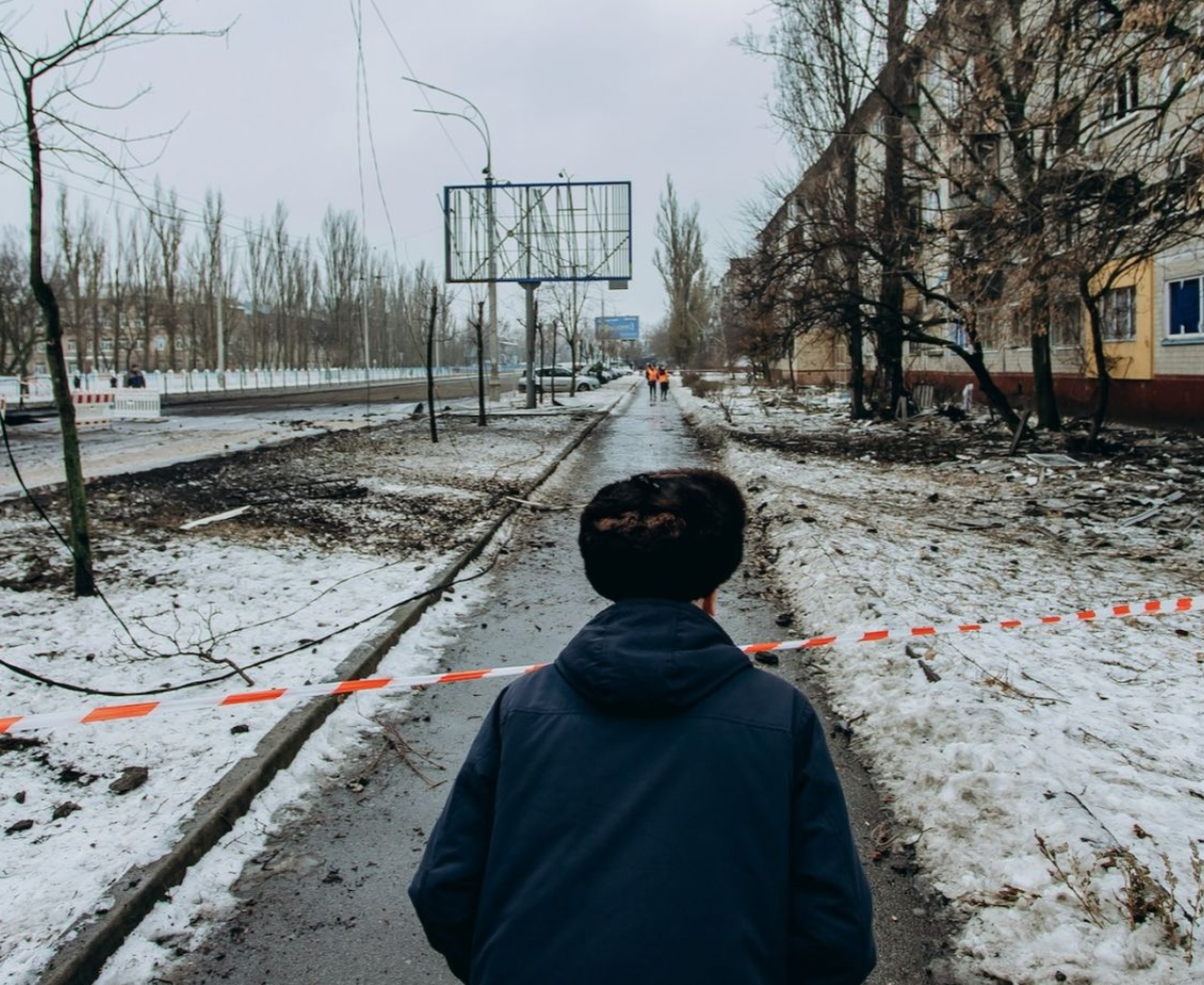
Russia Strikes Ukraine’s Energy Grid as EU Transit Dispute Deepens
Russia launched a large-scale missile and drone assault on Ukrainian energy infrastructure, Ukrainian officials said, describing the barrage as one of the most extensive coordinated attacks on the power grid in recent months. Cruise missiles and Iranian-designed drones targeted generation facilities and transmission nodes across multiple regions, forcing emergency shutdowns and localized outages.
Ukraine’s energy ministry reported damage to power plants and high-voltage substations, while air defense units intercepted a significant number of incoming projectiles. Regional authorities activated contingency protocols to stabilize supply and prevent cascading failures. Repair crews began assessment operations within hours of impact.
The strike campaign reflects Moscow’s continued strategy of targeting Ukraine’s civilian energy system during winter and high-demand periods. Since 2022, Russia has repeatedly sought to degrade electricity generation and transmission capacity in an effort to strain the economy, disrupt heating services, and complicate military logistics.
Energy as a Battlefield and Political Lever
Kyiv characterized the latest assault as part of a broader attempt to weaken national resilience and test European solidarity. Ukrainian officials argue that sustained attacks on grid infrastructure are designed not only to burden domestic capacity but also to influence European political calculations regarding sanctions and energy policy.
That dynamic is now visible inside the European Union. Hungary and Slovakia have recently criticized Ukraine over transit disruptions involving Russian energy flows passing through Ukrainian territory. Both governments maintain structural dependence on Russian pipeline supply and argue that abrupt changes threaten industrial output and household stability.
Ukraine has countered that continued facilitation of Russian energy exports indirectly finances Moscow’s war effort. Officials in Kyiv maintain that reducing Russian revenue streams is essential to long-term security, even if it generates friction within the bloc.
The timing of Russia’s strikes underscores the vulnerability embedded in Europe’s energy architecture. Damage to Ukrainian infrastructure affects domestic stability but also interacts with transit networks that historically carried Russian gas toward Central Europe. Although overall EU reliance on Russian energy has declined since 2022, residual pipeline dependencies remain politically sensitive.
EU Unity Under Pressure
Hungary has previously signaled willingness to leverage its position within EU decision-making bodies when disputes arise over sanctions and financial assistance to Ukraine. Slovakia has voiced similar concerns tied to domestic energy exposure. The current transit dispute highlights deeper structural tensions between frontline security priorities and legacy infrastructure realities.
At the same time, European governments continue supplying Ukraine with grid equipment, financial support, and air defense systems to mitigate the impact of Russian strikes. Western-supplied interceptors have reduced the scale of blackouts compared to earlier waves in 2022 and 2023, though cumulative strain persists.
Ukraine has hardened parts of its grid by dispersing generation capacity and installing protective measures. Even so, repeated strikes impose financial and operational burdens that compound over time.
Strategic Outlook
Russia’s energy campaign now operates on two levels. Militarily, it seeks to degrade Ukraine’s resilience and stretch repair capacity. Politically, it tests cohesion within the European Union by amplifying vulnerabilities tied to transit and supply.
Ukraine argues that limiting Russian energy revenue and accelerating grid repairs are strategic imperatives. Hungary and Slovakia emphasize domestic supply stability. EU institutions must manage sanctions cohesion alongside structural energy dependencies within the bloc.
The intersection of missile strikes and transit disputes illustrates how the energy domain remains central to the war. Infrastructure damage inside Ukraine reverberates outward through alliance politics and supply chains. The coming months will show whether European unity can withstand both kinetic pressure and economic strain.








COMMENTS