

Gulf states are monitoring developments closely. They support de-escalation but remain wary of arrangements that alter the regional balance. European governments back renewed diplomacy while weighing additional measures tied to Iran’s human rights record.
Tehran appears to pursue a dual-track approach: negotiate externally while tightening control internally and strengthening strategic infrastructure. By fortifying nuclear sites and narrowing political space, the leadership signals resolve and prepares for uncertainty.
The coming weeks will determine whether negotiations solidify into a limited nuclear arrangement or stall under competing demands. Internal cohesion in Tehran, coordination between Washington and regional partners, and the scope of sanctions relief will shape the outcome.
CIA Targets Chinese Military Personnel in Public Recruitment Campaign
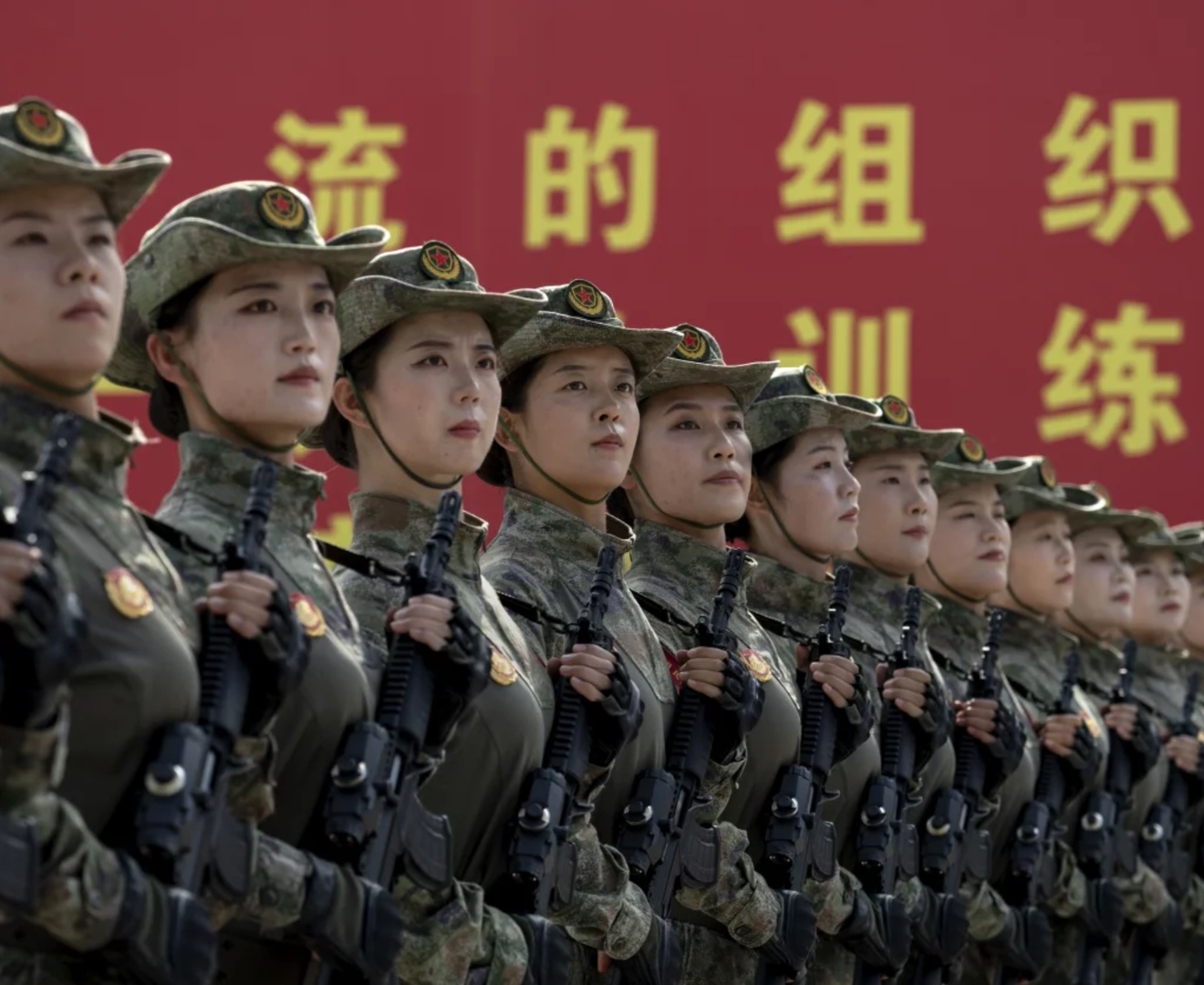
The Central Intelligence Agency has released a recruitment video aimed at Chinese military and government personnel, marking one of the most overt intelligence outreach efforts directed at Beijing in recent years. The campaign encourages individuals inside China’s defense and security institutions to provide information to the United States, reflecting Washington’s intensified focus on human intelligence collection against China.
The initiative unfolds amid internal instability within China’s military establishment. Over the past year, Beijing has removed or investigated several senior People’s Liberation Army officers, including figures tied to the Rocket Force and defense procurement systems. Authorities framed the actions as anti-corruption measures, but the scope and opacity of the removals have fueled speculation about loyalty enforcement and political discipline within the ranks.
That purge environment provides critical context. Officers operating under heightened internal scrutiny may face stalled promotions, suspicion, or reassignment. Intelligence services historically view such moments as potential openings for recruitment.
The CIA unveiled a Mandarin recruitment video urging disaffected Chinese military personnel and officials to “step forward to save the future,” calling on anyone with insight into senior Chinese leaders to make contact. pic.twitter.com/o0KcbIUigS
— Open Source Intel (@Osint613) February 12, 2026
Intelligence Competition Moves Into the Open
The CIA campaign also reflects adaptation. In the early 2010s, Chinese counterintelligence services dismantled parts of U.S. human networks inside the country, detained sources, and strengthened internal monitoring systems. Those setbacks forced U.S. agencies to reassess tradecraft in one of the world’s most restrictive security environments.
The new public-facing video represents a shift. Rather than relying solely on covert contact, the agency has chosen visible digital outreach. The message signals that Washington believes dissatisfaction or vulnerability may exist within segments of China’s military and political apparatus.
U.S. defense planning now centers on the Indo-Pacific. Taiwan contingency scenarios, missile force expansion, cyber operations, and naval modernization dominate strategic assessments. Access to reliable internal intelligence shapes escalation modeling and force posture decisions.
Beijing Likely to Reinforce Internal Controls
China maintains extensive counterintelligence and internal surveillance mechanisms across the military and party structure. Previous exposure of foreign-linked networks triggered broader enforcement campaigns. The public CIA effort will likely prompt tighter scrutiny, additional loyalty checks, and expanded monitoring within sensitive units.
Strategic competition between Washington and Beijing now extends beyond tariffs and naval maneuvers into sustained intelligence confrontation. The purge of senior PLA figures and the CIA’s overt recruitment push illustrate the same reality from opposite angles: both governments view information control and insider access as decisive tools in long-term rivalry.
Ukrainian Cyber Sting Exposes Russian Starlink Terminals Amid Broader Communications Strain
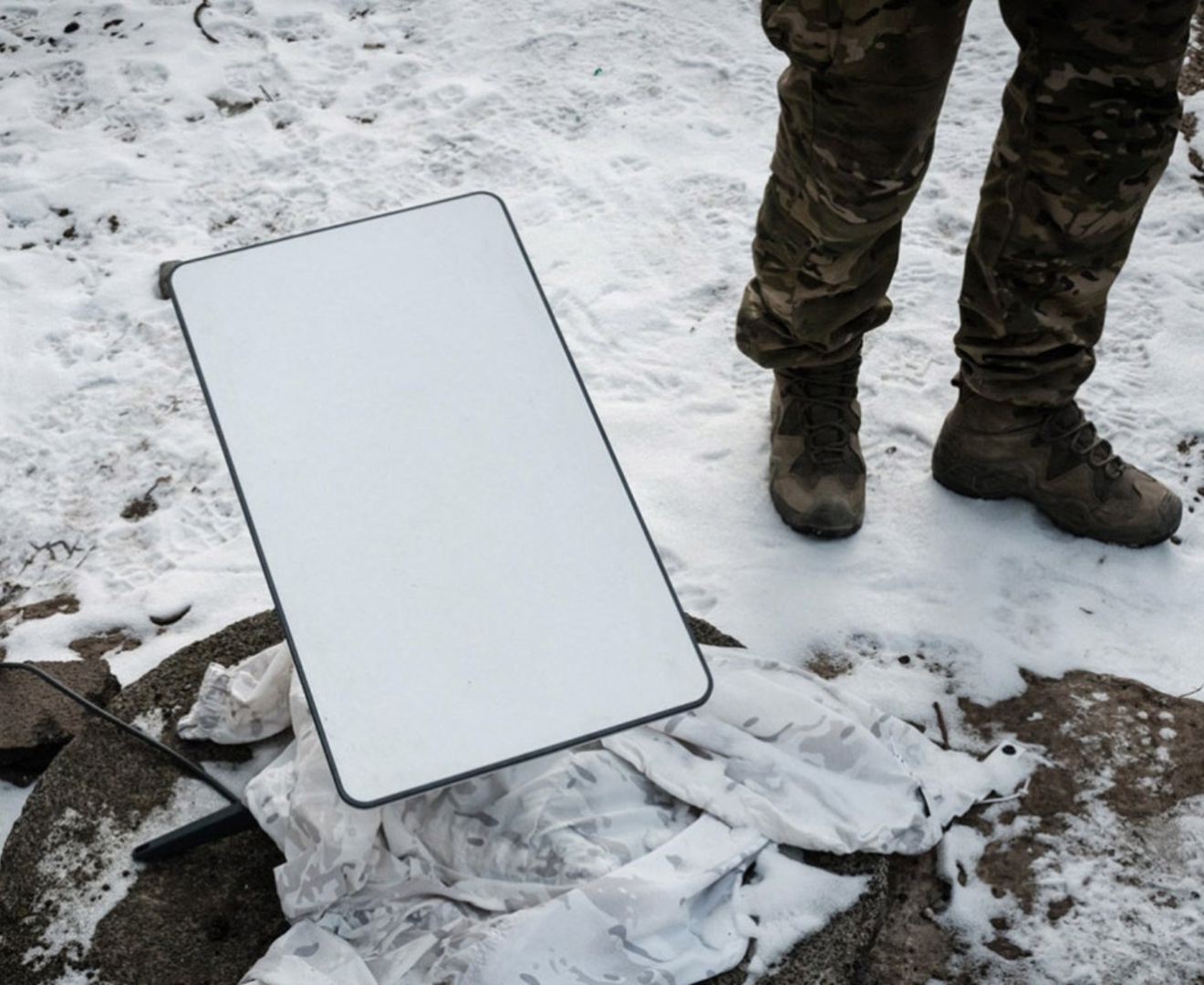
Ukrainian-affiliated cyber operators say they conducted a deception campaign that exposed Russian military use of Starlink satellite terminals, gathering device identifiers and associated data that Ukrainian authorities later used to disable access.
According to statements from the group known as the 256 Cyber Assault Division, operators created fraudulent activation portals and technical-support channels that promised Russian users assistance in restoring satellite connectivity. Russian personnel allegedly submitted terminal identifiers, account information, and payment details in an effort to regain service. The group said it collected thousands of device records through the operation.
Ukrainian officials indicated that the data enabled authorities to identify and geolocate terminals operating in sensitive frontline areas. While officials did not disclose targeting outcomes, they stated that the information allowed them to flag unauthorized devices under a newly enforced whitelist system coordinated with SpaceX. The operation relied on social engineering and administrative enforcement rather than signal spoofing or direct satellite interference.
📡 You’ve probably seen this story making the rounds online: russian soldiers are trying to activate their Starlink terminals by finding Ukrainian citizens willing, for 30 shekels, to register them in their own name.
No surprise there: the enemy’s abrupt switch from reliable… pic.twitter.com/F9kpBRe2a1
— 256 Cyber Assault Division (@256CyberAssault) February 12, 2026
Whitelist Enforcement Curtails Gray-Market Devices
In parallel with the deception effort, Ukraine implemented stricter registration controls that permit only approved terminals to function in operational zones. Russian forces had acquired Starlink devices through indirect procurement channels despite export restrictions. The revised controls rendered many of those devices inoperable.
Ukrainian officials said the restrictions began taking effect in early February, producing widespread outages among Russian units in active sectors. Russian-linked military channels described abrupt connectivity losses and degraded coordination during operations in parts of Zaporizhzhia and Donetsk.
Starlink has played a central role in modern battlefield communications for both sides, supporting drone reconnaissance, artillery adjustment, and distributed command networks.
Russian Communications Face Compounding Pressure
The disruption occurs against a broader backdrop of strain within Russia’s communications environment. Moscow has increased regulatory pressure on digital platforms, including tightening controls over Telegram and WhatsApp usage. Authorities have sought greater data localization, expanded monitoring requirements, and signaled willingness to restrict platforms that fail to comply with state directives.
These measures reflect the Kremlin’s long-running effort to assert control over digital information flows. However, increased restrictions can complicate military reliance on commercial messaging applications. Units that fall back to unsecured or throttled platforms face latency issues and interception risks.
Russian forces have attempted to compensate for satellite losses through legacy radio systems and electronic warfare tactics. Yet degraded connectivity reduces coordination speed and limits drone integration in assault operations.
The episode underscores how commercial satellite access and digital infrastructure now shape operational tempo. Administrative blocking, data exploitation, and regulatory pressure can produce battlefield effects without kinetic engagement. As the war evolves, communications resilience has become as strategically significant as artillery and armor.








COMMENTS