

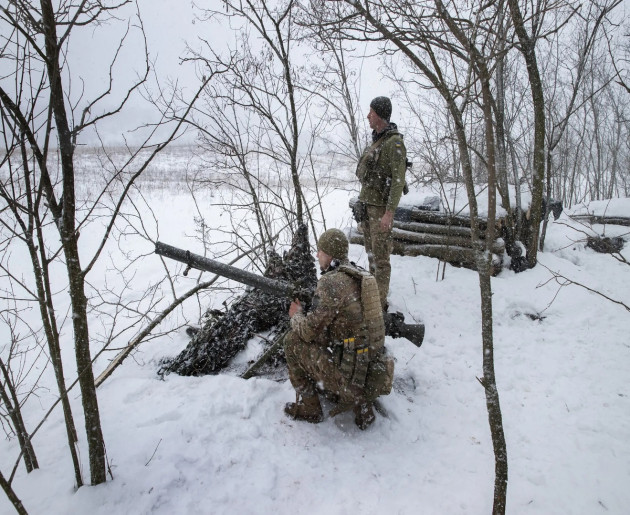
On a battlefield where small-unit coordination often depends on commercial satellite uplinks, even temporary connectivity gaps can slow target acquisition cycles and delay counterbattery responses. Ukrainian advances in select areas coincided with periods of reported Russian communications friction, reducing the speed at which Russian units could reposition or synchronize defensive fires.
There is no evidence that communications issues alone determined territorial outcomes. However, the tempo of drone-guided artillery and rapid assault coordination suggests that Ukraine capitalized on moments when Russian tactical awareness was degraded.
Eastern Front: Continued Russian Offensive Activity
While Ukraine advanced in limited southern sectors, Russian forces maintained offensive pressure in eastern Ukraine. Assessments released this week describe ongoing assaults intended to stretch Ukrainian reserves and prevent consolidation of southern gains.
Moscow’s operational pattern remains consistent: apply pressure across multiple axes, accept steady attrition, and seek incremental advances that degrade Ukrainian defensive cohesion. The simultaneous southern pressure from Kyiv complicates that effort by introducing additional risk to Russian logistics lines supporting the land corridor to Crimea.
There are no confirmed indications of large-scale Russian force withdrawals from eastern sectors to reinforce the south. Should Ukrainian advances deepen or threaten critical supply routes, that balance may change.
Winter Conditions Alter Mobility
Severe winter conditions continue to shape operations. Frozen ground has improved cross-country mobility for armored vehicles and logistics convoys, reducing the mud constraints that defined previous campaigns. At the same time, extreme cold strains personnel and reduces drone battery endurance.
Both sides rely heavily on unmanned systems for reconnaissance and strike coordination. Sustaining high sortie rates in sub-zero temperatures requires adapted equipment and expanded logistical support. Mobility gains are therefore offset by technical and human costs.
Tactical Gains, Strategic Contest
Ukraine’s recent advances demonstrate continued offensive capability in selected sectors. Russia retains layered defensive lines and the ability to sustain offensive operations elsewhere along the front.
Absent rapid mechanized exploitation or the collapse of fortified belts, the current gains remain tactically significant but operationally limited. The broader contest continues to hinge on communications resilience, artillery sustainment, drone dominance, and the capacity of each side to manage reserves under persistent attrition.
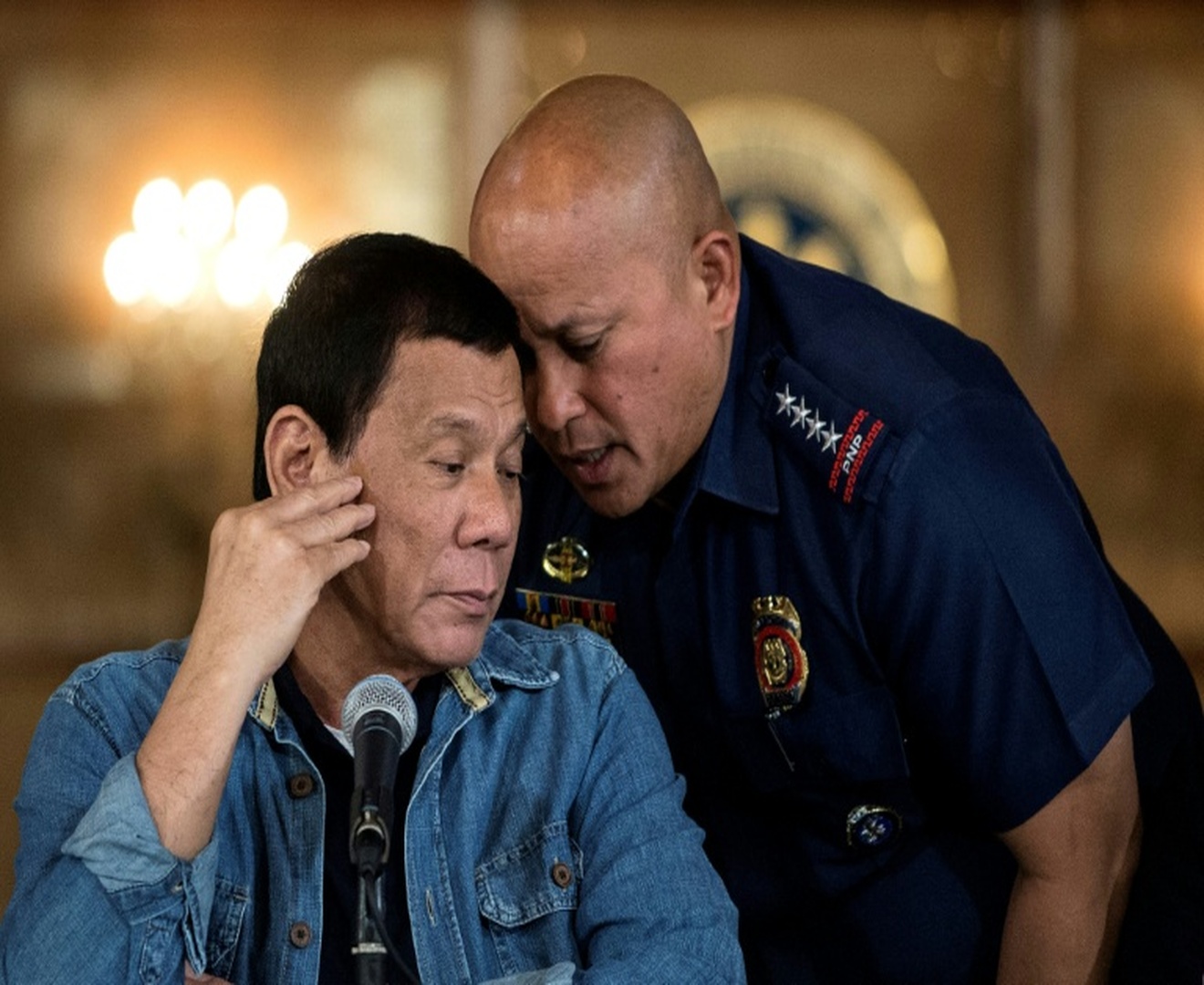
ICC Hearing Set in Duterte Case as Philippines Faces Renewed Scrutiny
An initial hearing is set to begin at the International Criminal Court (ICC) in The Hague in proceedings tied to former Philippine President Rodrigo Duterte’s anti-drug campaign, reopening international legal scrutiny over a policy that defined his administration.
Human Rights Watch and other advocacy groups confirmed that the court scheduled proceedings related to alleged crimes committed during Duterte’s tenure, when security forces carried out thousands of anti-narcotics operations. Prosecutors at the ICC have examined whether actions taken during that campaign amounted to crimes against humanity.
Duterte has consistently defended the drug war as a lawful campaign to combat organized crime and narcotics trafficking. Philippine officials under his administration rejected allegations of systematic abuses and previously challenged the ICC’s jurisdiction after Manila withdrew from the court in 2019.
Two incumbent Philippine senators were named “co-perpetrators” in former President Rodrigo Duterte’s crimes against humanity case before the International Criminal Court https://t.co/YqS2SgtSRK
— Bloomberg (@business) February 14, 2026
Jurisdiction and Legal Positioning
The ICC maintains that it retains jurisdiction over alleged crimes committed while the Philippines remained a state party to the Rome Statute. Duterte’s withdrawal from the court does not nullify investigations into conduct that occurred before the withdrawal took effect.
The upcoming hearing is procedural. It does not constitute a verdict and does not guarantee trial proceedings. Judges will review filings and determine next steps in the case, including whether sufficient grounds exist to move forward under ICC standards.
Philippine authorities have not indicated that they will surrender Duterte to the court. The ICC lacks independent enforcement power and depends on member states to execute arrest warrants and facilitate transfers.
Political and Institutional Implications
The hearing reintroduces legal pressure into Philippine domestic politics. Duterte retains influence within the country’s political landscape, and members of his family continue to hold office. Any advancement of ICC proceedings will likely intensify debate over sovereignty, accountability, and the legacy of the drug war.
The case also carries implications for the administration of President Ferdinand Marcos Jr., who has recalibrated foreign policy and rebalanced relations with Western governments. Cooperation with the ICC could deepen alignment with European institutions but risks domestic backlash among constituencies that view the court as external interference.
At the same time, failure to cooperate may draw criticism from international human rights bodies and complicate Manila’s diplomatic posture in multilateral forums.
Broader Accountability Context
The Duterte case sits within a wider pattern of ICC engagement involving alleged abuses by state actors. The court has pursued investigations in multiple regions where governments dispute jurisdiction or question the court’s authority.
For the Philippines, the hearing marks a renewed international focus on a campaign that reshaped internal security policy and drew sustained criticism from civil society groups. Estimates of those killed during the anti-drug operations vary, with government figures placing the number in the thousands and independent monitors citing higher totals.
The procedural phase now underway will determine whether the case advances beyond preliminary review. Regardless of outcome, the ICC’s continued engagement underscores the enduring legal and diplomatic shadow cast by the drug war.
The court’s next steps will clarify whether the matter proceeds toward formal charges or remains in the investigative stage.
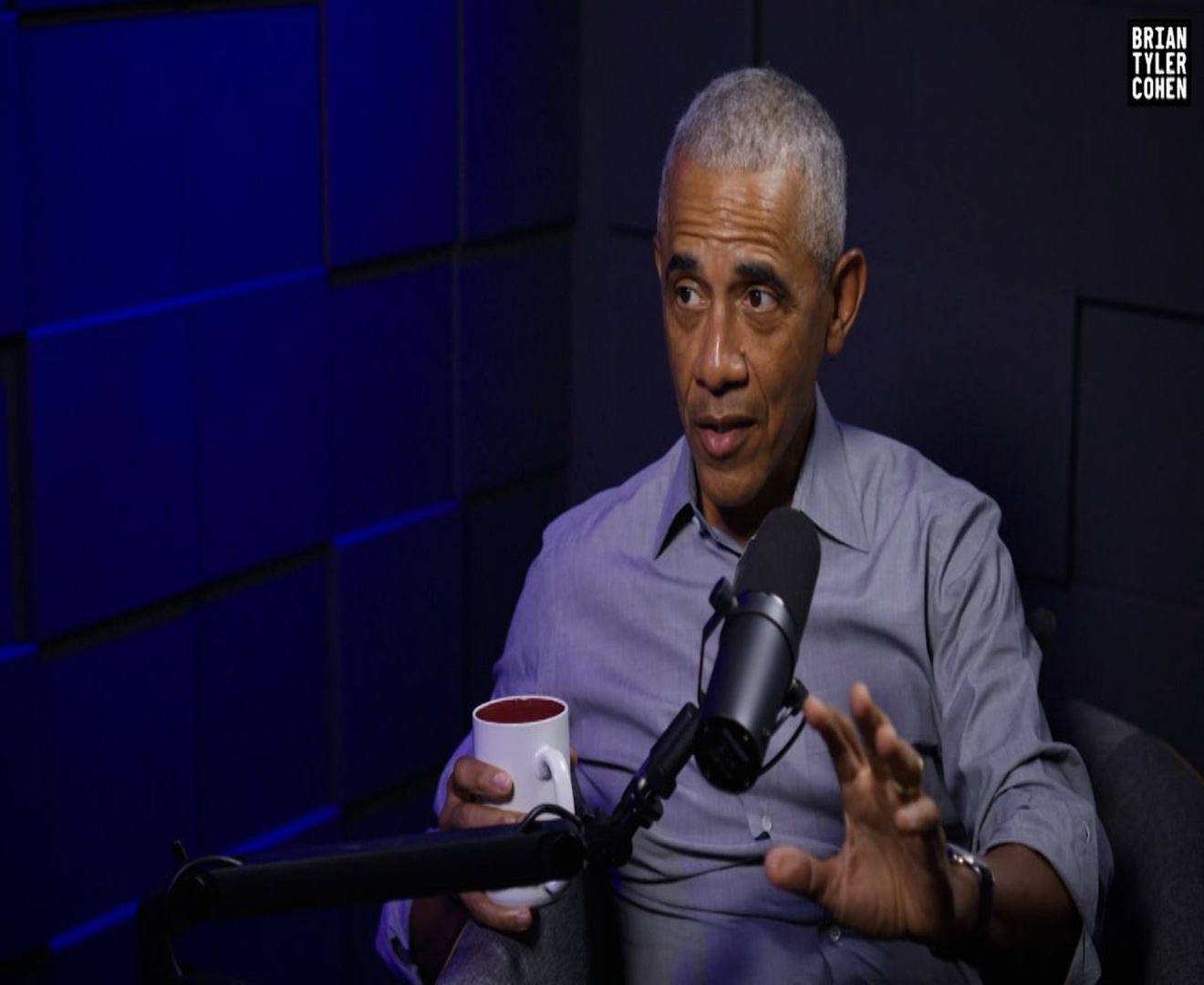
Obama Clarifies Alien Remarks After Podcast Comment Draws Attention
Former President Barack Obama clarified remarks about extraterrestrial life after a podcast comment triggered widespread online reaction and speculation.
In an appearance that circulated widely on social media, Obama stated that “aliens exist,” prompting headlines and renewed debate over unidentified aerial phenomena. He later clarified that the comment was not based on classified intelligence confirming extraterrestrial life. Instead, he described it as conversational and reflective of the broader uncertainty surrounding unexplained aerial incidents.
CNN reported that Obama emphasized there is no confirmed evidence of extraterrestrial beings interacting with Earth. He reiterated that the U.S. government has documented objects in restricted airspace that defy immediate explanation, but he did not claim those incidents prove alien origin.
Barack Obama on aliens: “They’re real”
“But I haven’t seen them. They’re not being kept at Area 51. There’s no underground facility — unless there’s this enormous conspiracy and they hid it from the President of the United States.” pic.twitter.com/c6t0DYxewU
— UAP James (@UAPJames) February 14, 2026
Clarification and Context
Obama explained that unidentified aerial phenomena remain an open analytical question because some reported incidents lack sufficient data for conclusive identification. He framed the issue as one of incomplete information rather than hidden confirmation.
Federal reviews in recent years have cataloged hundreds of UAP reports. Defense officials have attributed most cases to drones, airborne debris, atmospheric conditions, or sensor anomalies. A smaller percentage remains unresolved due to limited telemetry or poor visual confirmation.
Obama’s clarification aligns with that institutional position. He acknowledged uncertainty without endorsing extraterrestrial conclusions.
Public Reaction and Information Gaps
The initial podcast remark spread rapidly online, where short clips detached from broader context fueled speculation. Social media amplification often compresses nuance, especially when public figures use casual phrasing on subjects with long-standing cultural intrigue.
The federal government has worked to formalize UAP reporting and analysis, creating dedicated offices to standardize data collection and interagency review. Officials continue to treat unidentified aerial incidents primarily as airspace security concerns.
Obama’s clarification does not alter that posture. No U.S. agency has presented evidence confirming extraterrestrial life or non-human technology.
Ongoing Institutional Review
Congress has required periodic public reporting on UAP assessments. Those reports stress analytical caution and emphasize that unresolved cases do not equate to confirmation of alien origin.
The episode illustrates how quickly informal remarks can escalate into perceived disclosure. It also reflects sustained public interest in unexplained aerial phenomena, even as official findings remain grounded in incomplete data rather than extraordinary conclusions.








COMMENTS