

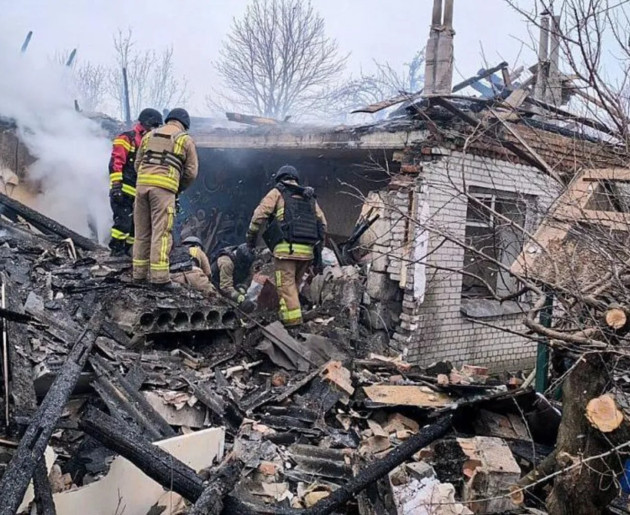
Ukrainian forces retain layered defenses and continue to contest Russian advances. However, steady ammunition flows remain essential to maintaining operational tempo and defensive cohesion.
Winter Strain and Diplomatic Movement
Repeated strikes have strained Ukraine’s energy infrastructure as temperatures drop. Authorities in Kyiv and other major cities have implemented rolling outages in response to damage and fluctuating generation capacity. Repair crews restore systems after each strike wave, but restoration cycles have shortened as new attacks follow earlier repairs. Officials describe this winter as among the most demanding since the invasion began.
These pressures coincide with preliminary diplomatic contacts aimed at exploring potential frameworks to reduce hostilities. European and U.S. officials have expressed support for discussions, while Ukrainian leadership maintains that any settlement must preserve sovereignty and territorial integrity. Russian forces continue offensive activity, and Moscow has not publicly revised its stated objectives.
The convergence of air-defense depletion, funding delays, sustained offensive operations, and winter attrition underscores the structural stakes of the conflict. Battlefield outcomes now hinge as much on industrial output and fiscal decisions in European capitals as on maneuver along the front lines.
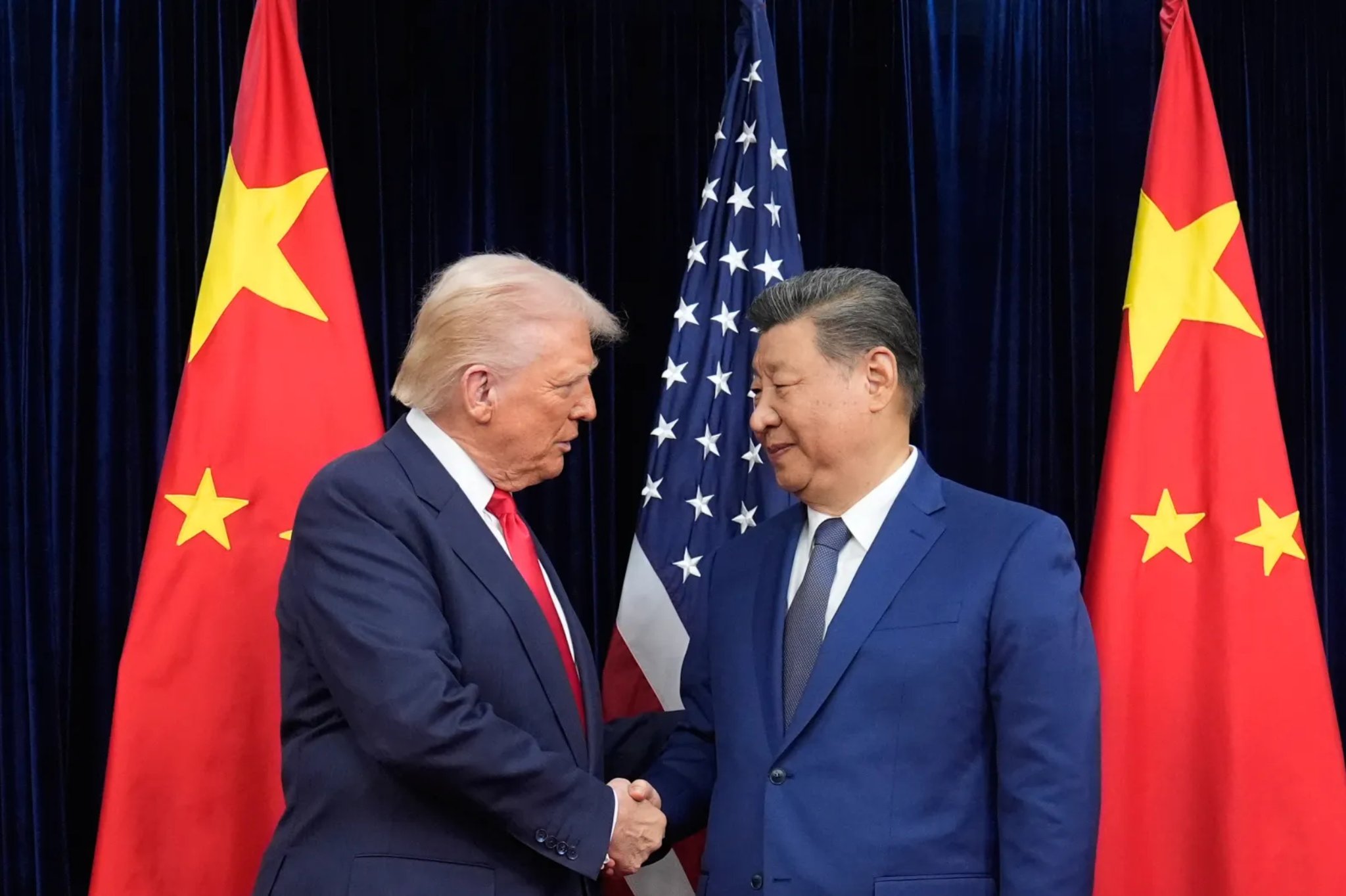
Taiwan Awaits U.S. Arms Decision as Vance Rebukes Lawmakers Over Foreign Policy
President Donald Trump said he will soon decide on additional weapons sales to Taiwan, according to remarks reported by Bloomberg. The potential package could include air-defense systems, precision munitions, and other capabilities intended to reinforce Taiwan’s deterrence posture.
Administration officials have weighed the scope and timing of any new transfer amid broader defense budget considerations and competing global commitments. A formal notification to Congress would trigger statutory review procedures before final approval.
The US will be selling $11 billion worth of arms to Taiwan. China is outraged, but the contents of this arms sale aren’t a strategic game-changer…#armsdeal #taiwan #militarytechnology #geopolitics pic.twitter.com/UxCqdpyAKz
— Peter Zeihan (@PeterZeihan) December 26, 2025
Taipei Presses for Accelerated Deliveries
Taiwan’s Ministry of National Defense has continued to call for faster delivery of previously approved systems, citing sustained military pressure from China. Beijing has increased air and naval operations near the island, conducting regular patrols and large-scale exercises that Taipei characterizes as coercive.
Taiwanese officials have emphasized asymmetric capabilities, mobile missile systems, and strengthened air defenses as priorities. Delays in delivery timelines have drawn concern in Taipei, where planners assess readiness against a backdrop of expanding Chinese military capacity.
Vice President Criticizes Congressional Rhetoric
Vice President J.D. Vance publicly criticized Rep. Alexandria Ocasio-Cortez over her foreign policy stance, arguing that congressional rhetoric can affect strategic signaling abroad. The exchange reflects ongoing debate within Washington over the scope of U.S. security commitments and the balance between domestic and foreign policy priorities.
Lawmakers remain divided over defense spending levels and the pace of military assistance to partners facing external pressure.
Beijing Reiterates Opposition
China has consistently opposed U.S. arms sales to Taiwan, describing them as interference in internal affairs and a violation of prior understandings between Washington and Beijing. Chinese officials have warned that additional transfers could increase regional tensions.
The United States maintains that arms sales fall under the framework of the Taiwan Relations Act and support stability by strengthening deterrence. The administration’s forthcoming decision will shape perceptions of U.S. resolve in the Indo-Pacific and influence the trajectory of cross-strait relations in the months ahead.
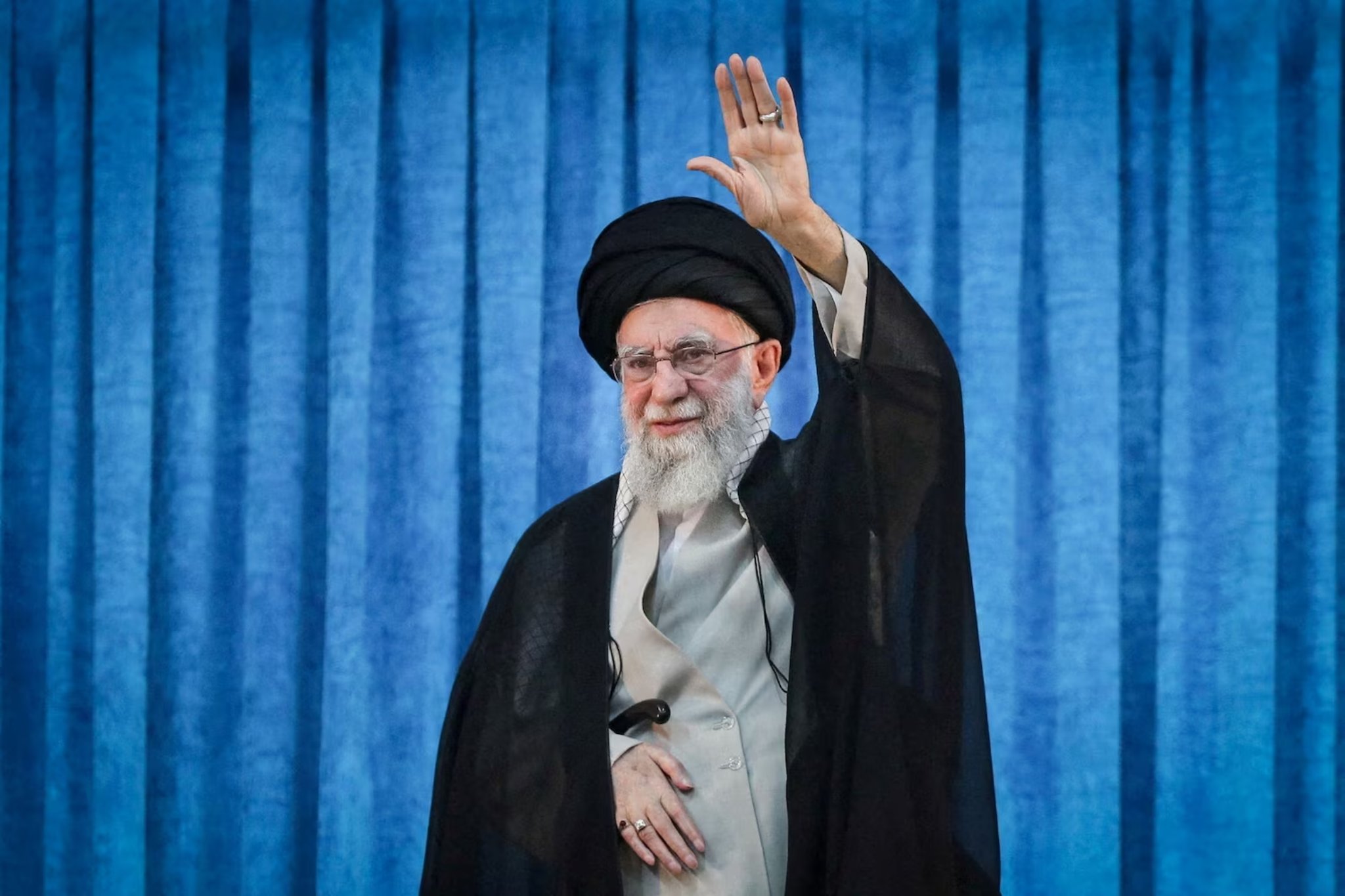
Iran Temporarily Closes Strait of Hormuz as Nuclear Talks Resume With U.S.
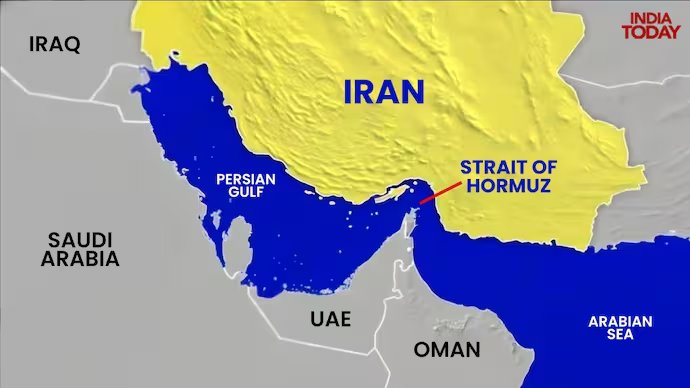
Iran temporarily closed parts of the Strait of Hormuz on Tuesday to conduct live-fire military exercises, state media reported, marking a rare disruption in one of the world’s most critical maritime chokepoints. Authorities said the closure would last several hours and described it as a safety measure tied to the drill.
The Strait of Hormuz handles roughly one-fifth of global oil shipments. Even short interruptions draw immediate scrutiny from energy markets and naval forces operating in the region. Maritime traffic monitoring services reported temporary rerouting during the exercise window, though there were no immediate indications of vessel seizures or direct confrontation.
Iran’s military has conducted similar drills in the past, but formal notice of a temporary closure is uncommon. The move comes as indirect nuclear negotiations between Tehran and Washington resume, underscoring the parallel tracks of diplomacy and military signaling.
Talks Advance, but Core Dispute Persists
U.S. and Iranian officials convened through intermediaries in Geneva for another round of discussions aimed at constraining Tehran’s nuclear program. Both sides described the talks as constructive in tone. Iranian representatives said they agreed with U.S. negotiators on certain “guiding principles” for future work, though neither side announced a breakthrough.
According to reporting from The Wall Street Journal, Iran introduced new proposals during the talks, including adjustments to inspection frameworks and sequencing of sanctions relief. However, the core dispute remains unchanged: Washington continues to demand meaningful limits on uranium enrichment levels and stockpile sizes, while Tehran resists abandoning enrichment capabilities it considers sovereign and lawful under international agreements.
President Donald Trump has made clear that any new arrangement must significantly curb enrichment and prevent pathways to a nuclear weapon. Administration officials have indicated that partial measures or incremental constraints would not meet U.S. requirements.
Iran maintains that its nuclear program is peaceful and has framed enrichment as a nonnegotiable right. Western governments and the International Atomic Energy Agency have raised concerns over enrichment levels that approach weapons-grade thresholds.
Iranian regime forces have reportedly opened fire on people in the town of Abdanan who were holding a mourning for dead protestors.
— WarMonitor🇺🇦🇬🇧 (@WarMonitor3) February 17, 2026
Military Signaling Alongside Diplomacy
The live-fire exercises in the Strait of Hormuz occurred against this diplomatic backdrop. Iranian officials characterized the drill as routine and defensive. However, the timing reinforces Tehran’s longstanding strategy of pairing negotiations with demonstrations of military capability.
The United States has maintained a sustained naval presence in the Persian Gulf and surrounding waters. Carrier strike groups and additional air assets remain positioned in the region, reflecting continued U.S. concern over maritime security and Iranian missile capabilities.
Analysts view the temporary closure as calibrated rather than escalatory. The duration was limited, and shipping resumed after the exercise window concluded. Oil prices moved modestly in early trading, reflecting market caution but not panic.
Still, the strait’s strategic significance amplifies any signal sent from Tehran. The narrow waterway connects the Persian Gulf to the Arabian Sea and serves as the primary export route for Gulf producers, including Saudi Arabia, Iraq, Kuwait, and the United Arab Emirates.
Domestic and Regional Pressures
The renewed talks unfold amid broader regional tension. Iran continues to navigate economic strain from sanctions, currency volatility, and domestic political pressures. At the same time, it seeks leverage in negotiations that could ease financial restrictions and restore broader access to global markets.
In Washington, debate continues over the terms of any agreement. Administration officials argue that a structured deal remains preferable to unchecked nuclear expansion. Critics contend that Tehran has used prior agreements to buy time while advancing technical capabilities.
European governments have expressed cautious support for renewed diplomacy but remain concerned about verification mechanisms and compliance enforcement. The United Kingdom, France, and Germany have previously urged restraint in both nuclear activity and regional military posture.
Strategic Stakes
The convergence of naval drills and nuclear diplomacy highlights the narrow margin between engagement and confrontation. Tehran appears intent on demonstrating that it retains options to influence regional security while it negotiates. Washington, for its part, signals that enforcement and deterrence remain central to its approach.
Whether talks yield substantive constraints will depend on bridging the enrichment dispute that has defined past rounds of diplomacy. Without movement on that issue, discussions risk stalling despite positive public messaging.
For now, the Strait of Hormuz has reopened to routine traffic. The drills concluded without reported incident. The diplomatic channel remains active, though fundamental disagreements persist.
The episode underscores a familiar pattern in U.S.–Iran relations: negotiation under pressure, military signaling without direct conflict, and high strategic stakes concentrated in a narrow stretch of water that carries global economic weight.








COMMENTS