

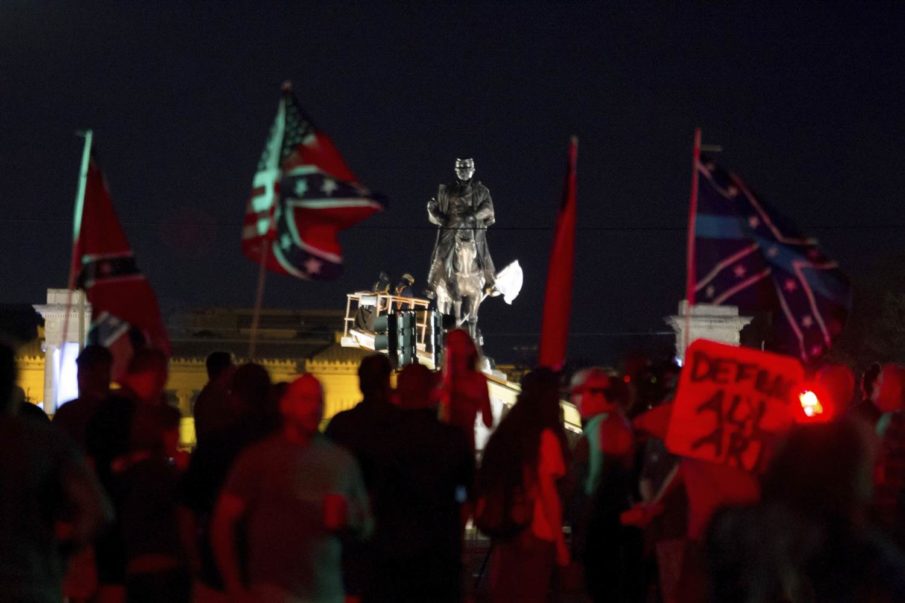
Relics and monuments related to the Confederacy, and their complicated status as symbols of pride and heritage, have become hotly debated features in the ongoing Culture Wars. To many, they represent noble qualities in the leaders of the Confederacy: bravery, and standing up for what you believe in, no matter the cost.
To others, they represent a glorification of the very issues the South fought, and lost, for: slavery, subjugation, and inequality.
It is through acts of courage and standing for what is right that we will build the city of our dreams. pic.twitter.com/wduBaUDp5e
— Mitch Landrieu (@MitchLandrieu) May 17, 2017
Whatever your stance on the issue of the rebel flag, and the Confederacy in general, it is undeniably one that has no firm consensus even now, more than 150 years after the fact.
Of all the monuments being removed, Beauregard himself probably has the greatest leg to stand on to remain. While he led the attack on Fort Sumter, the first salvos in America’s long Civil War, after the war he became something of a civil rights icon in the South, supporting freed slaves. He was also a native on New Orleans, with an established family in the community, making him something of a local hero.
Nonetheless, Beauregard’s statue was swept up into the city council’s decision to remove the prominent tributes to the Confederacy.
Image courtesy of NBC News








COMMENTS