

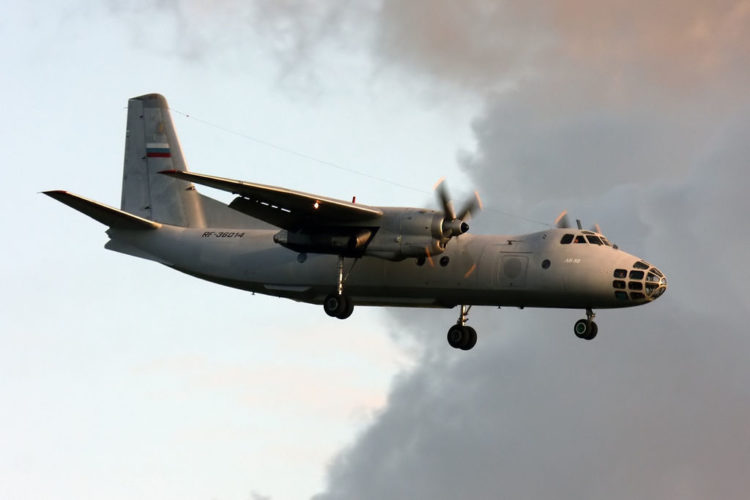
The aircraft was later identified to be a Russian AN-30 propeller plane, as reported by the Swedish Defense Ministry.
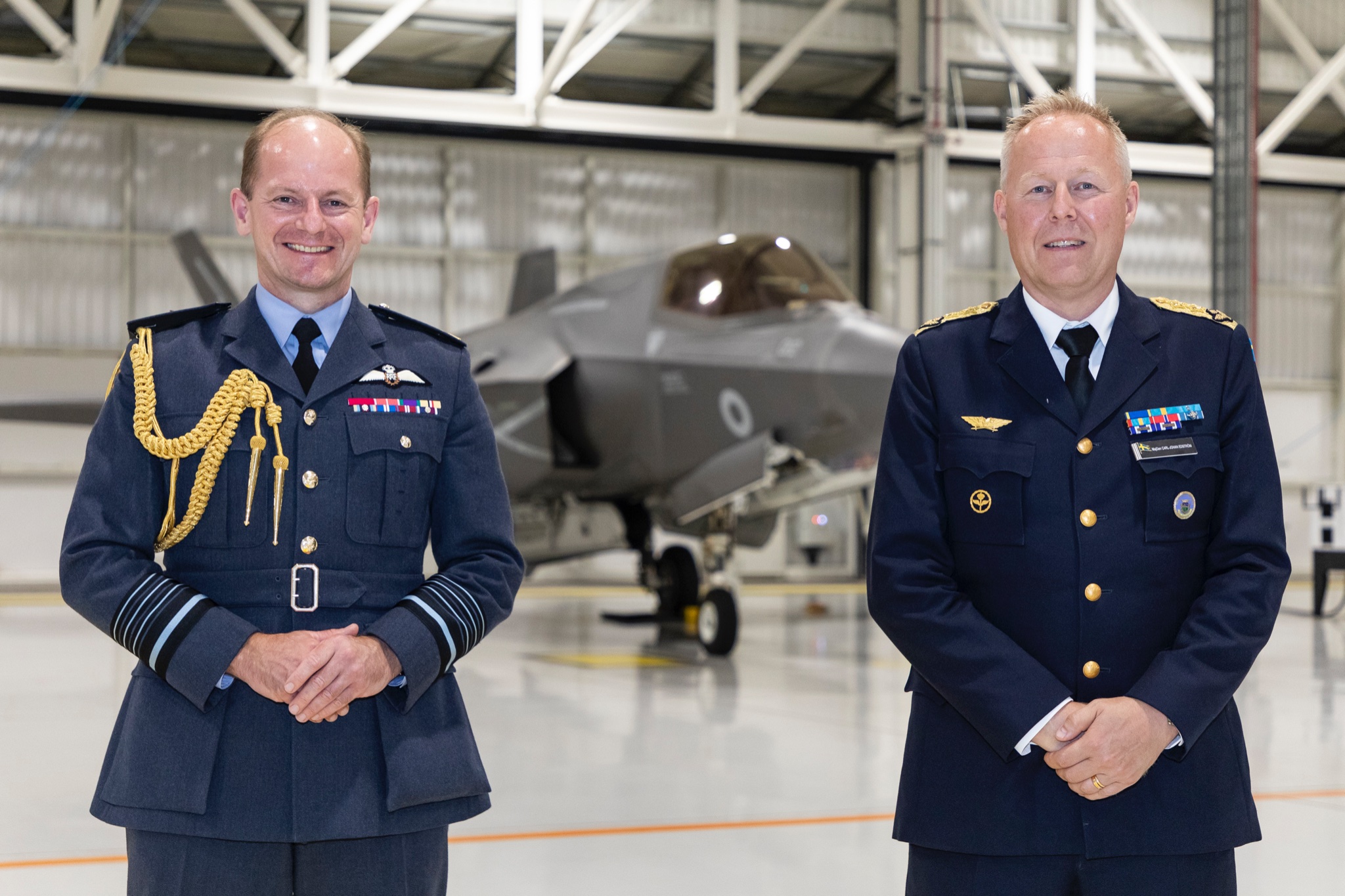
Swedish Chief of Air Force Carl-Johan Edström also weighed in on the issue. According to him, they had followed the Russian spy plane “for a long time,” and they immediately started incident preparedness as they detected the aircraft heading toward their territory. For more proof, they also photographed the entire incident.
“When it approached Swedish territory, they followed along the border, and that’s when they violated Swedish airspace for a short period,” the Air Force chief said.
He also echoed the sentiments of his country and Denmark, characterizing the incident as “irresponsible” and “unprofessional,” especially during the time of heightened security issues in Europe.
“There is no reason that you should fly so close that you can accidentally enter the territory of a country. You may well be 10-15 kilometers from the border; then, such things do not have to happen,” he said.
However, Sweden was also willing to give Russia the benefit of the doubt this time around, stating that there were no signs of direct threats of an armed attack.
“There is no indication at this time that this was deliberate. It may well have been a mistake,” Edstrom said while also expressing that they could not rule out a Russian threat in the future since there have been discussions of Sweden wanting to join NATO.
This is not the first time Sweden’s airspace has been violated by Russian aircraft. Last March, 4 Russian fighter jets, namely 2 Su-27s and 2 Su-24s, entered Swedish airspace near the island of Gotland in the Baltic Sea. In response, JAS 39 Gripen jets were sent to the area.
In the past, SOFREP has monitored Russia’s responses to Sweden and Finland’s ambitions to join NATO. Director of the Second European Department of the Russian Foreign Ministry Sergei Belyaev has said that there would be “serious military and political consequences requiring us to revise the entire range of relations” and added that they would “take retaliatory measures,” which would sound like a threat to most countries.
In a separate report, Russian Foreign Ministry Spokeswoman Maria Zakharova said that Finland and Sweden would become the new frontline for NATO if ever the two countries decide to be members.
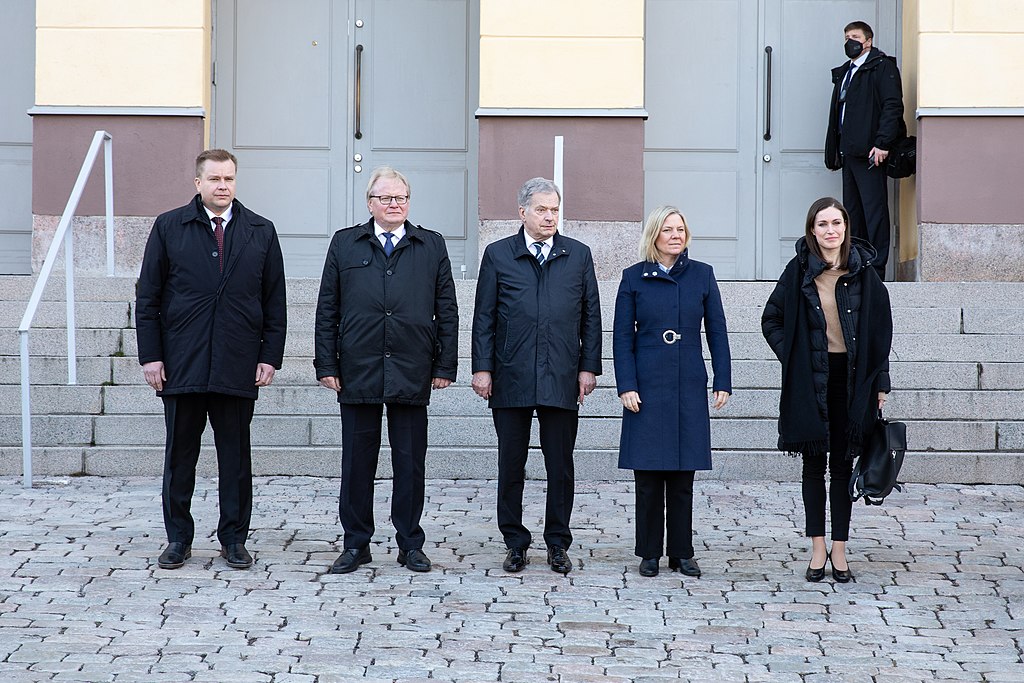
This has not deterred Sweden and Finland from joining the alliance due to Russian expansionist rhetoric. In historical shifts, Sweden and Finland recently announced that they would jointly announce their decision regarding their NATO membership by May 16, a leap from neutrality to the Western military alliance. Sweden’s Magdalena Andersson and Finland’s Sanna Marin is set to meet at Schloss Meseberg Castle to discuss more security issue with German Chancellor Olaf Scholz on May 3, in a prospective further step into NATO member applications.








.jpg)
COMMENTS