
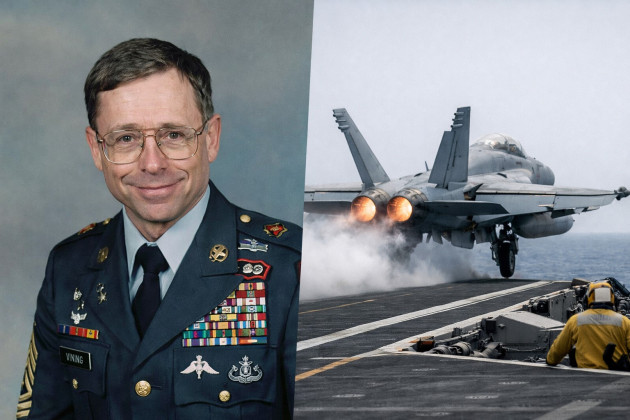
Editor’s Note: I reached out to several special operations veterans for perspective as U.S. and Israeli strikes against Iran continue to unfold. Sgt. Maj. (Ret.) Mike Vining provided the following brief response before stepping away for several weeks.
His remarks question the strategic end state of the campaign, warn of potential escalation, and raise concerns about the broader legal implications of targeting a head of state.
From your professional experience, what stands out most about these strikes?
I fail to see the strategic goals of the US and Israel strikes. Regime change? Not the way to go about it. Of course, Iran has to retaliate.
If the U.S. escalates, what would the next logical operational step be?
Terrorist attacks on Americans overseas and in the US.
What are most analysts missing about Iran’s likely response?
Never underestimate your enemy. Japan learned that in World War II.
If boots ever hit the ground, who would that realistically involve and why?
What is the end state, and do we have a nation-building plan? Do we have a timeline?
What second- or third-order effects should Americans be paying attention to?
How the world and our Arab partners will react. No Nobel Peace Prize here.
Additional Legal Concern
SGM Vining wrote, “The killing of a head of state is a violation of US and International Law. It is hoped this law would equally protect our head of state.”
Vining referenced 18 U.S. Code § 1116, which addresses protections for foreign officials and internationally protected persons.
His remarks underscore questions of end state, escalation, and the precedent such actions may set.








COMMENTS