

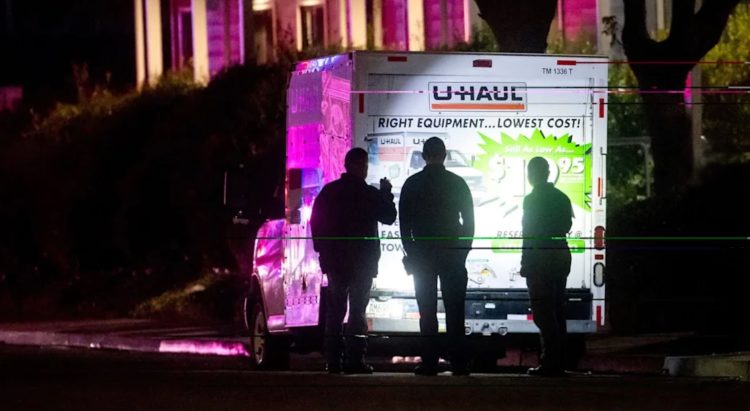
How unusual is gunfire on vehicles at U.S. bases?
Uncommon, but not unheard of. When drivers try to ram federal gates, armed sentries sometimes shoot. The best-known recent parallel is the 2015 Fort Meade incident at the NSA gate, where officers opened fire on a car that crashed through the perimeter, killing one occupant and injuring another. In January 2025, security forces at Joint Base San Antonio–Fort Sam Houston shot a driver who tried to breach a gate; the suspect survived. In May 2024, two men in a box truck tried to get onto Marine Corps Base Quantico; barriers stopped the truck, and no shots were needed. The pattern is sparse but clear: crashes at gates happen; gunfire is the exception, reserved for moments when a vehicle becomes a weapon and space and time run out.
Before the event
Thursday started like a pressure cooker left on the stove too long. Coast Guard Base Alameda, usually a quiet hub of uniforms and supply trucks, turned into a staging ground for something else entirely—a protest that drew more than 200 people to the single access road leading onto the island.
Word had spread fast that the Trump administration planned to use the base as a launch point for federal immigration enforcement operations in the Bay Area. By sunrise, demonstrators had set up along the approach road, waving signs, chanting, and blocking vehicles from entering. Some were angry, some scared, and some just came to see what would happen when the federal machine met local resistance face-to-face.
As the crowd swelled, Alameda Police, Coast Guard security, and California Highway Patrol officers in riot gear took up positions around the gate. The tension wasn’t theatrical—it was physical, a living thing in the air. By mid-morning, the standoff had become a test of willpower and crowd control. When protesters refused to clear the entrance, flashbangs and smoke grenades cracked through the noise, driving people back and igniting a chorus of shouts. For hours, it was a teetering balance between chaos and control.
By late afternoon, the mood began to cool. President Trump announced the San Francisco enforcement surge was off. The decision didn’t end the protests entirely, but it drained some of the fire. A smaller group of demonstrators remained at the base entrance, their numbers thinned but their presence defiant. The officers held their lines. No one wanted another spark.
That’s when the day turned from volatile to violent.
What’s next?
The FBI’s San Francisco field office has the wheel. Expect standard steps: pull gate-cam and causeway video, map bullet trajectories, download the truck’s telematics if available, interview the wounded driver and witnesses, and square all of that with the base’s use-of-force protocols. For now, authorities say there is no ongoing threat and no indication of a broader plot.
Bottom line
A U-Haul truck ignored commands to stop, put the vehicle into reverse, and backed toward armed guards—drawing gunfire at the gates of a federal island. The driver was wounded, a bystander was grazed, and the Coasties were unharmed, all against the backdrop of a city already stretched thin by tension.
Unusual, yes, but it fits a small set of American gatehouse moments where speed, steel, and human judgment collide in seconds and gunfire decides everything.








COMMENTS