Oversight vs. Oxygen
Washington loves the word oversight. It sounds clean, antiseptic, almost noble. In practice, it often behaves like oxygen poured onto a flame. Covert operations do not fail because they lack good intentions or robust talking points. They fail because too many people know too much, too early, and cannot resist the gravitational pull of relevance. If you want to capture a sitting dictator, you do not workshop it with a room full of politicians whose careers are fueled by being seen, heard, and quoted before the coffee gets cold.
The Leak Is the Feature
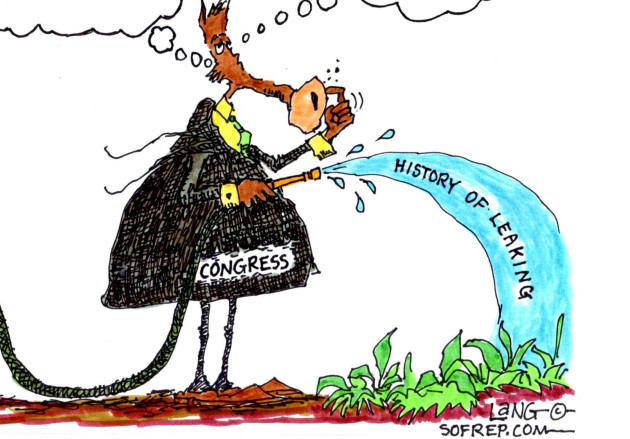
Congress does not leak by accident. It leaks because leaking works. It feeds narratives, protects turf, settles scores, and keeps donors happy. Lang’s cartoon gets this right without saying it out loud. Once information crosses from the White House into the congressional bloodstream, it does not sit quietly waiting for permission to transmit. It circulates, mutates, and finds daylight through staffers, reporters, and anonymous “sources familiar with the matter.” At that point, the high-value target is not captured. He is warned. The mission does not unfold. It evaporates.
Why Silence Wins Fights
Running sensitive operations through Congress is like planning a bank robbery by posting the blueprint on a community bulletin board. That is not cynicism. That is experience. Secrecy is not an insult to democracy when the objective is speed, surprise, and control. It is the cost of doing business in a world where adversaries read American newspapers, watch American television, and monitor American politicians like weather radar.
Our cartoon is not asking why Congress was left out. It is answering the question before it can be asked.

Already have an account? Sign In
Two ways to continue to read this article.
Subscribe
$1.99
every 4 weeks
- Unlimited access to all articles
- Support independent journalism
- Ad-free reading experience
Subscribe Now
Recurring Monthly. Cancel Anytime.
Oversight vs. Oxygen
Washington loves the word oversight. It sounds clean, antiseptic, almost noble. In practice, it often behaves like oxygen poured onto a flame. Covert operations do not fail because they lack good intentions or robust talking points. They fail because too many people know too much, too early, and cannot resist the gravitational pull of relevance. If you want to capture a sitting dictator, you do not workshop it with a room full of politicians whose careers are fueled by being seen, heard, and quoted before the coffee gets cold.
The Leak Is the Feature
Congress does not leak by accident. It leaks because leaking works. It feeds narratives, protects turf, settles scores, and keeps donors happy. Lang’s cartoon gets this right without saying it out loud. Once information crosses from the White House into the congressional bloodstream, it does not sit quietly waiting for permission to transmit. It circulates, mutates, and finds daylight through staffers, reporters, and anonymous “sources familiar with the matter.” At that point, the high-value target is not captured. He is warned. The mission does not unfold. It evaporates.
Why Silence Wins Fights
Running sensitive operations through Congress is like planning a bank robbery by posting the blueprint on a community bulletin board. That is not cynicism. That is experience. Secrecy is not an insult to democracy when the objective is speed, surprise, and control. It is the cost of doing business in a world where adversaries read American newspapers, watch American television, and monitor American politicians like weather radar.
Our cartoon is not asking why Congress was left out. It is answering the question before it can be asked.










COMMENTS