

Trump’s tougher stance signals a serious escalation in his approach to Russia. Whether or not he follows through with heavy secondary sanctions remains to be seen, but the threat alone is already stirring anxiety in global markets and among America’s allies. With both Washington and Kyiv signaling that more major decisions could come soon, this situation is moving quickly—and the consequences could be far-reaching.
Nine Killed in Vancouver After Car Rams Street Festival
At least nine people were killed and several others were injured after a black SUV barreled into a large crowd during the Lapu Lapu Day Block Party, a Filipino street festival in Vancouver. The tragedy unfolded on Saturday evening, April 26, 2025, shortly after 8:00 p.m. near East 41st Avenue and Fraser Street. Thousands had gathered for the event, which was only in its second year but had already become a popular, family-friendly celebration.
Witnesses described the SUV driving erratically before it tore through the heart of the festival, mowing down people along a block lined with food trucks and vendor stalls. Video and photos from the scene showed a chaotic aftermath, with injured festival-goers and debris strewn across the road as first responders raced to help.
The driver, a 30-year-old Vancouver man known to local law enforcement, was taken into custody at the scene. Reports suggest that bystanders initially subdued him before police arrived. Authorities have said they are confident this was not an act of terrorism, though they have not yet released any details about the driver’s motive. The investigation remains ongoing.
Political leaders, including Prime Minister Mark Carney and Vancouver Mayor Ken Sim, issued statements expressing their condolences to the victims, their families, and the broader Filipino community. The block party had been intended as a vibrant celebration of Filipino culture, with music, performances, and street food—a community gathering that turned into a nightmare within seconds.
Iceland Gets Serious About Defense
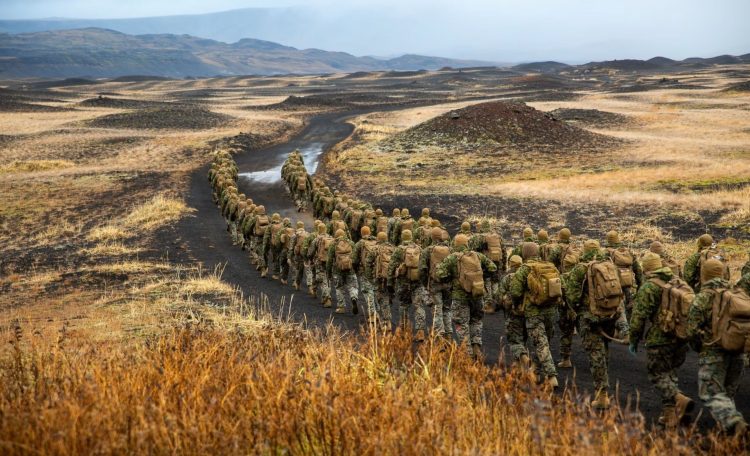
Iceland has always been an outlier in NATO, being a full member without maintaining a standing military. But that’s starting to change as global tensions rise, especially in the Arctic and North Atlantic regions. Concerned about developments nearby, particularly in Greenland, Iceland is realizing it needs to take a more active role in its own defense. While the country has long depended on NATO and a bilateral defense agreement with the United States, pressure is building both at home and from allies for Iceland to step up its contributions.
One of the first major moves was Parliament’s approval of a National Security Policy back in 2016. This policy created a National Security Council and expanded the definition of security to cover not just military threats but also cyber attacks, terrorism, and environmental disasters. Even without a military, Iceland is strengthening its capabilities by investing in new defense structures, equipment, and training. The Icelandic Coast Guard, which already patrols the country’s waters and airspace, is getting upgrades, and the nation’s air defense systems are being modernized.
Iceland also remains a reliable host for NATO exercises like “Northern Viking” and works closely with U.S. forces, who frequently visit and operate out of Keflavik Air Base. Though the base is officially under Icelandic control now, American and NATO forces maintain a strong and steady presence there.
At home, the debate is heating up over whether Iceland should finally form its own military. Defense experts argue that Iceland has the resources and population to build a small but effective force, suggesting a regular corps of around 1,000 personnel supported by a 500-member reserve. Some are challenging the old argument that Iceland is too small or too poor for such a move, pointing out that plenty of smaller nations manage meaningful defense efforts despite similar or worse economic conditions.
Iceland’s approach to security also looks beyond just guns and ships. The country’s strategy includes protecting against cyber threats, safeguarding the environment, and boosting resilience against everything from terrorism to pandemics. Iceland’s foreign policy ties national security to its commitment to human rights, women’s empowerment, and peacebuilding, offering a broader view of what defending the nation really means.
Bottom line: Iceland is taking defense seriously in a way it hasn’t before. By boosting its Coast Guard, tightening NATO ties, investing in security infrastructure, and seriously considering a future military force, Iceland is moving beyond its traditional reliance on alliances and adapting to a much more complicated and dangerous world.
Iceland’s Prime Minister Kristrun Frostadottir says European NATO members are showing willingness to contribute more to regional security
She tells @flacqua Ukraine and Europe need to be included in talks between Kyiv and Moscow https://t.co/sd5usvUEpw pic.twitter.com/I56aOsfAm3
— Bloomberg (@business) February 20, 2025
Sources: News Agencies








COMMENTS