

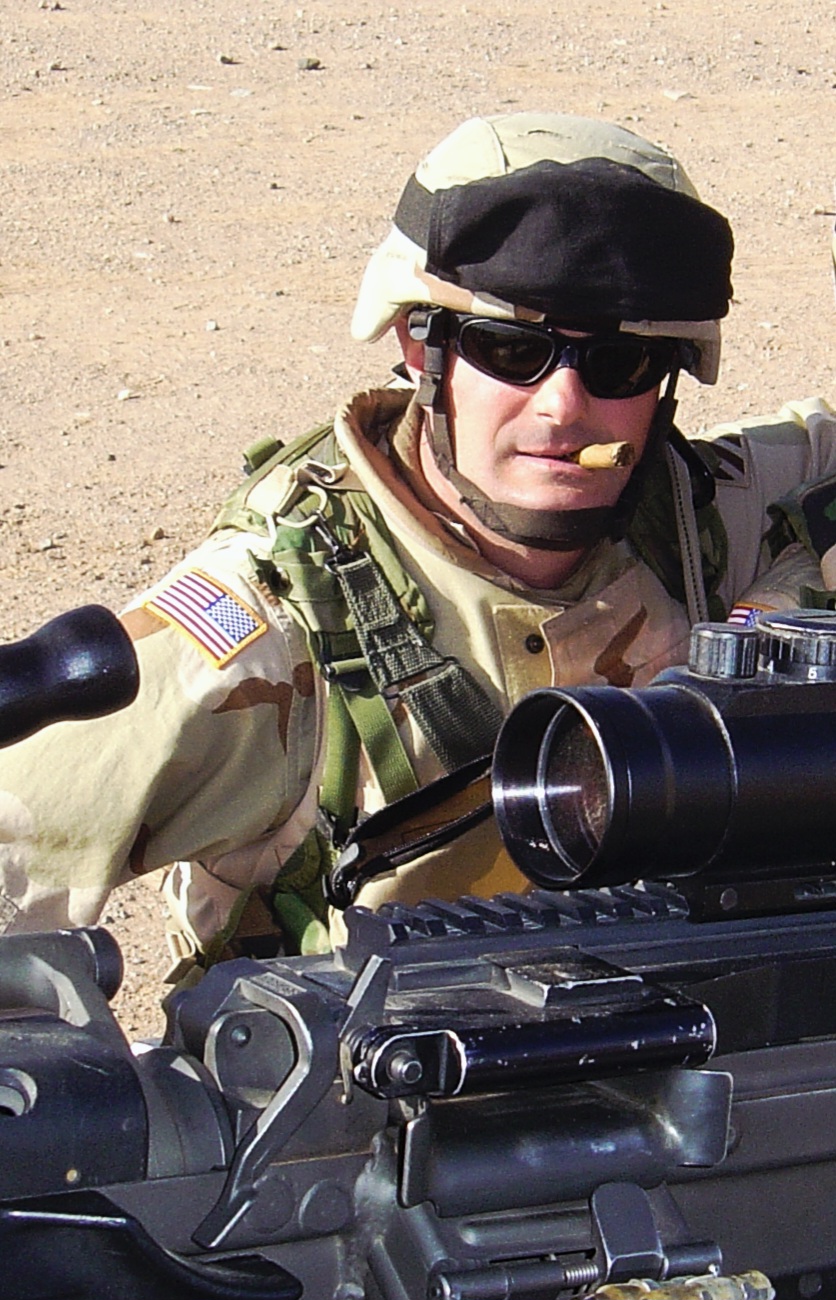
And the operational tempo has not been light. Guard units have rotated through Europe, the Middle East, and other corners of the map where the work is hot and usually thankless. Not just trigger-pullers either. Engineers keep routes open. Artillery crews turn hard targets into craters. Mechanics keep aircraft and ground fleets running when parts are scarce, and the clock is not your friend. The Guard has always been “part-time” on paper and full-time in reality. Anybody who has lived it knows.
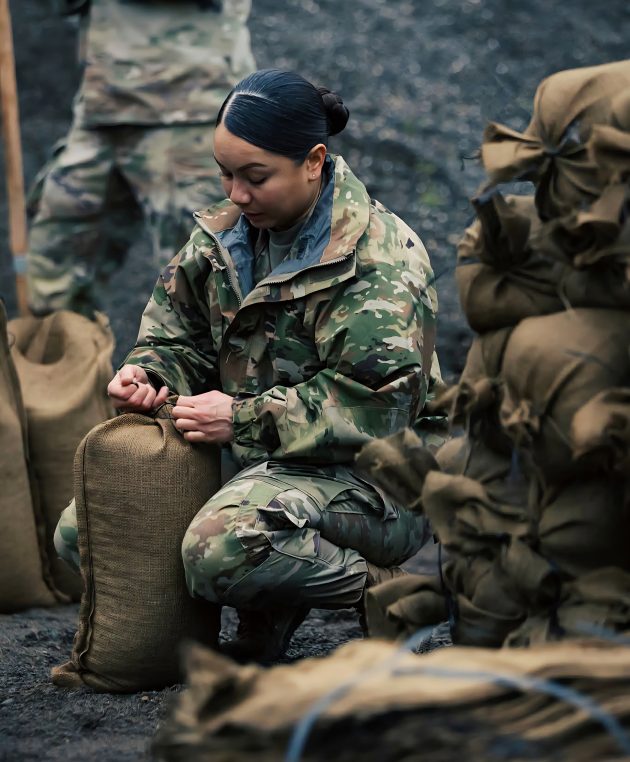
And right now, while we talk birthdays, the Guard is doing what it does best. When Western Washington’s atmospheric rivers turned into flooding and evacuations, the Guard stepped in for the unsexy jobs that save lives. Sandbags. Traffic control points. Evacuation support. The kind of work that wrecks your back and soaks your gear, but keeps families from getting trapped when the water comes up.
From this foxhole, I see the same thing I have always seen in the National Guard. People who get yelled at to “Go home!” one minute, then get called back quickly when things go sideways. Controversy fades. Service stays.
So raise a Rip It to the folks keeping tracks turning, stacking sandbags, running radios, and doing the hard work no camera crew wants to film. 388 years strong. Keep charging.
SFC (Ret) Galen Fries
Ukraine’s Air Defenders and Repair Crews Hold the Line After 450+ Drones Hit the Grid
Russia hit Ukraine’s southern energy network with a heavy drone-and-missile strike, but Ukrainian air defenders and repair crews stayed on the job, kept the system from collapsing, and started bringing services back before daylight.
Russia went after Ukraine’s power again overnight Friday into Saturday, and they did it with volume. President Volodymyr Zelenskyy said the strike package included more than 450 drones and 30 missiles, aimed at the energy sector, with Odesa and the south taking the ugly end of it.
This is the part most coverage misses. A power grid does not defend itself. A city does not restore water pressure by issuing statements. What stands between “rough night” and “dark winter” is people doing unglamorous work under threat, then doing it again when the sun comes up.
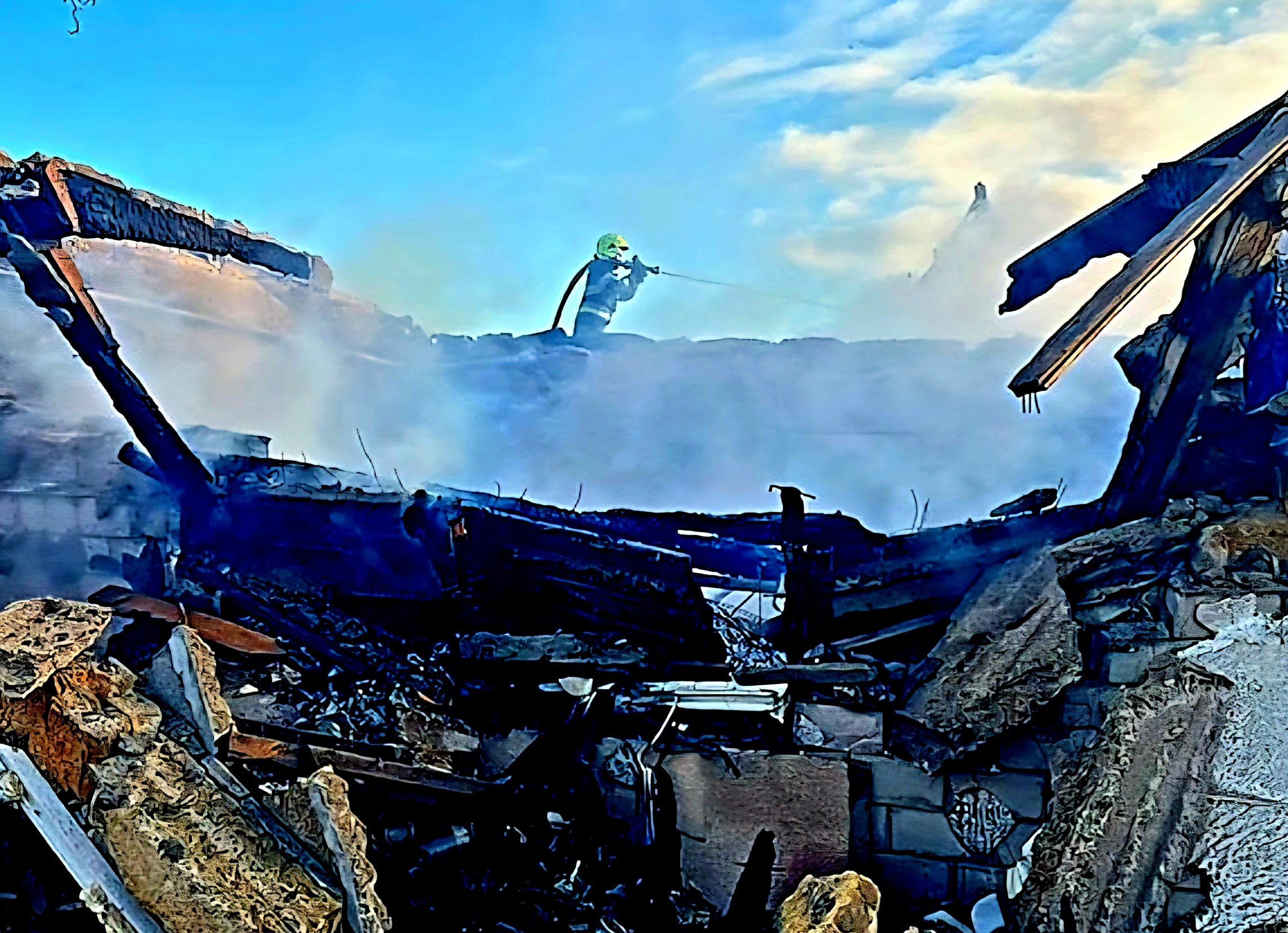
In Odesa and surrounding areas, the attack triggered major blackouts affecting more than a million households, with disruptions to electricity and water supply, and emergency distribution of non-drinking water reported in parts of the city. Ukraine’s interior minister reported five injuries and widespread power loss across multiple regions. For civilians, that meant cold apartments, dead elevators, and phones being rationed for battery life.
On the defense side, Ukraine’s air defense is not a single silver bullet. It is a layered system held together by teamwork and repetition. Radar operators track targets. Air-defense crews engage what they can. Mobile fire groups hunt low-flying drones. Electronic warfare teams work to disrupt navigation and push threats off course. When attacks come in waves, nobody gets to be perfect. They just have to keep the next drone from reaching the next transformer yard.
Then the second fight starts. Repair crews, engineers, emergency services, and utility workers move in as soon as it is safe enough to work. Every hour without power in winter hits civilians first. That work is slow, exposed, and usually done with the expectation that Russia may come back and hit the same nodes again. The job is simple. Fix it anyway.
Russia’s defense ministry acknowledged strikes on Ukrainian energy and military-industrial facilities, continuing a pattern Ukraine has faced since 2022: pressure the grid, stretch air defenses, and make civilians carry the cost.
Diplomacy may flicker in the background, but nights like this make the real point clear. Ukraine buys time one shift at a time, with tired people on watch and tired people turning wrenches in the dark.

UK’s New Military Intelligence Services: Bond Would Approve, Even Without the Martini
The UK Ministry of Defence just rolled out a new structure meant to make Britain’s military intelligence faster, tighter, and harder to spoof. On Dec. 12, 2025, the MoD announced the Military Intelligence Services (MIS), a unified organisation bringing defence intelligence elements across the Royal Navy, British Army, RAF, space, cyber, and specialist communities under one banner.
If you want the Bond comparison, here it is. Think less “007 in a tux” and more “Q Branch’s back room,” except the back room is a football-pitch-sized fusion centre at RAF Wyton and the operators are crunching top secret intelligence with Five Eyes partners while wearing whatever the dress code says for people who do night shift and do not get applause. Tea is optional. Sleep is not guaranteed.
The MoD paired MIS with a new Defence Counter-Intelligence Unit (DCIU), saying hostile intelligence activity aimed at Defence has risen by more than 50% over the last year. Translation for normal humans: more spying, more cyber probing, more influence ops, more unwanted attention on people and places that keep the country running.
Defence Secretary John Healey framed MIS as part of making defence intelligence “smarter,” and the MoD tied the move to delivery of the Strategic Defence Review. Ministers Al Carns and Louise Sandher-Jones launched the initiative at Wyton, putting faces to a change most people will never notice unless it fails.
Here is the SOFREP angle. This is about the personnel who live in the unsexy lane. Analysts. Targeteers. ISR specialists. Cyber teams. Linguists. Geospatial nerds. Counter-intel folks who spend their days finding needles in haystacks and their nights writing reports that keep troops out of bad fights. Bond gets the screen time. These people do the work.
And for the next generation, the MoD points to the Defence Intelligence Academy, established in October 2025, to train the specialists who will operate in the cyber and space-heavy fight that is already here.
License to spy? Granted. It is not glamorous. It is multiplayer.
—
** Editor’s Note: Thinking about subscribing to SOFREP? You can support Veteran Journalism & do it now for only $1 for your first year. Pull the trigger on this amazing offer HERE. – GDM








COMMENTS