Morning Brief: Deadly Shooting at Brown, Gabbard’s Afghanistan Vetting Warning, Bangladesh Peacekeepers Killed in Abyei, and Gaza Power Struggles After Ceasefire
From Kabul evac fallout to a deadly ambush in Abyei and the mess of armed factions in Gaza, these stories all point to the same truth: rushed decisions and fragile ceasefires always get paid for by people standing post. Whether it’s Guard troops at home, peacekeepers abroad, or IDF units hunting bom
Read the full article for more on:
Important insights and detailed analysis
Expert commentary on current events
Breaking developments and updates
Updating summary...
Morning Brief: Deadly Shooting at Brown, Gabbard’s Afghanistan Vetting Warning, Bangladesh Peacekeepers Killed in Abyei, and Gaza Power Struggles After Ceasefire
Galen Fries
Speed
1x
Listen
COMMENTS
From Kabul evac fallout to a deadly ambush in Abyei and the mess of armed factions in Gaza, these stories all point to the same truth: rushed decisions and fragile ceasefires always get paid for by people standing post. Whether it’s Guard troops at home, peacekeepers abroad, or IDF units hunting bomb-makers, the work is still dirty, dangerous, and done without applause.
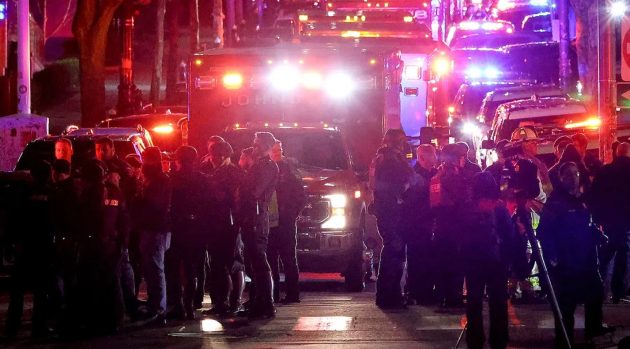
The scene at Brown University. Image Credit: Fox News
Final Exams Turn Deadly at Brown University as Manhunt Continues After Campus Shooting
Finals week at Brown University turned into a crime scene Saturday afternoon after a gunman opened fire inside the School of Engineering, killing two people and wounding nine others before fleeing the campus. As of early Sunday, December 14, authorities were still searching for the suspect.
Advertisement
According to university and law enforcement officials, the shooting began at approximately 4:05 p.m. inside a first-floor classroom in the Barus and Holley engineering and physics building on Brown’s Providence campus. A review or study session tied to final exams was underway in a large lecture hall when a man dressed in dark clothing entered the room and began firing at those inside.
Two people were killed at the scene. Nine others were injured by gunfire or bullet fragments. Brown President Christina Paxson confirmed that at least eight of the victims, including both fatalities, were students. One victim remains in critical condition, six are listed as critical but stable, and two are in stable condition at Rhode Island Hospital.
Police began receiving 911 calls at 4:05 p.m., triggering an immediate and expansive response. Providence police, Rhode Island State Police, and federal partners converged on campus within minutes, locking down large sections of Brown and nearby neighborhoods. Officers conducted rapid searches of campus buildings, but the shooter managed to escape on foot.
Advertisement
Investigators later released surveillance video showing a person of interest leaving the Barus and Holley building shortly after the shooting. The individual is described as a male wearing dark clothing and possibly a gray, camouflage-style face mask. Authorities have urged anyone who recognizes the person or has relevant information to come forward.
Seventeen minutes after the first emergency calls, Brown issued a campus-wide alert warning of an active shooter near the engineering complex and instructing students and staff to lock doors, silence phones, and shelter in place. Portions of the campus and surrounding Providence neighborhoods remained under shelter-in-place orders for hours as armored vehicles and tactical teams moved through the area.
Advertisement
The attack is being investigated as a mass shooting, adding to the growing number of similar incidents across the United States this year, according to Gun Violence Archive data cited in media reports. University officials have announced plans for increased security, expanded mental health services, and a campus vigil. Classes and exams are expected to be adjusted as the investigation continues.
As of early Sunday morning, no arrests had been made, and the manhunt remained active.
Providence Police just released video of the suspect in the Brown University shooting that killed two and injured nine.
A reporter exposed this DEI Brown University President for having no answers after 6 freaking hours
Final Exams Turn Deadly at Brown University as Manhunt Continues After Campus Shooting
Finals week at Brown University turned into a crime scene Saturday afternoon after a gunman opened fire inside the School of Engineering, killing two people and wounding nine others before fleeing the campus. As of early Sunday, December 14, authorities were still searching for the suspect.
According to university and law enforcement officials, the shooting began at approximately 4:05 p.m. inside a first-floor classroom in the Barus and Holley engineering and physics building on Brown’s Providence campus. A review or study session tied to final exams was underway in a large lecture hall when a man dressed in dark clothing entered the room and began firing at those inside.
Two people were killed at the scene. Nine others were injured by gunfire or bullet fragments. Brown President Christina Paxson confirmed that at least eight of the victims, including both fatalities, were students. One victim remains in critical condition, six are listed as critical but stable, and two are in stable condition at Rhode Island Hospital.
Police began receiving 911 calls at 4:05 p.m., triggering an immediate and expansive response. Providence police, Rhode Island State Police, and federal partners converged on campus within minutes, locking down large sections of Brown and nearby neighborhoods. Officers conducted rapid searches of campus buildings, but the shooter managed to escape on foot.
Investigators later released surveillance video showing a person of interest leaving the Barus and Holley building shortly after the shooting. The individual is described as a male wearing dark clothing and possibly a gray, camouflage-style face mask. Authorities have urged anyone who recognizes the person or has relevant information to come forward.
Seventeen minutes after the first emergency calls, Brown issued a campus-wide alert warning of an active shooter near the engineering complex and instructing students and staff to lock doors, silence phones, and shelter in place. Portions of the campus and surrounding Providence neighborhoods remained under shelter-in-place orders for hours as armored vehicles and tactical teams moved through the area.
The attack is being investigated as a mass shooting, adding to the growing number of similar incidents across the United States this year, according to Gun Violence Archive data cited in media reports. University officials have announced plans for increased security, expanded mental health services, and a campus vigil. Classes and exams are expected to be adjusted as the investigation continues.
As of early Sunday morning, no arrests had been made, and the manhunt remained active.
Providence Police just released video of the suspect in the Brown University shooting that killed two and injured nine.
A reporter exposed this DEI Brown University President for having no answers after 6 freaking hours
DNI Gabbard Warns of Vetting Gaps From Afghanistan Evacuation, Calls for Re-Screening
Director of National Intelligence Tulsi Gabbard said the United States is still dealing with security fallout from the chaotic 2021 withdrawal from Afghanistan, warning that thousands of individuals with terrorism-related flags entered the country during the emergency evacuation.
Speaking on Fox News on Dec. 12, Gabbard said U.S. intelligence agencies have identified thousands of watchlisted individuals currently inside the United States, including Afghan nationals evacuated during Operation Allies Welcome, the airlift that moved more than 120,000 people out of Kabul as the Taliban seized control.
Gabbard tied the issue to rushed vetting procedures during the evacuation, saying some individuals were flagged after arrival, once additional intelligence streams were cross-checked. She called for aggressive re-screening and removal where warranted, framing the issue as unfinished business from a withdrawal carried out under extreme time pressure.
U.S. counterterrorism agencies have acknowledged that post-arrival vetting has been ongoing since 2021, with DHS, FBI, and NCTC re-reviewing evacuee files as new intelligence becomes available. Officials have previously stressed that being “watchlisted” does not automatically mean criminal guilt, but it does trigger enhanced scrutiny.
SOFREP angle: this is not an abstract policy debate for the force. Soldiers who ran perimeter security at Kabul know exactly how fast standards drop when the clock hits zero. Emergency evacuations are triage by definition, not perfection. Somebody always pays the bill later.
Gabbard’s warning lands at a moment when National Guard units are again pulling domestic security duty, and when overseas deployments continue to stack. Loose ends from 2021 are not history to the people standing post today.
Bottom line:evacuations end, consequences don’t. If vetting failed under pressure, fixing it now is cheaper than asking troops to manage the risk later.
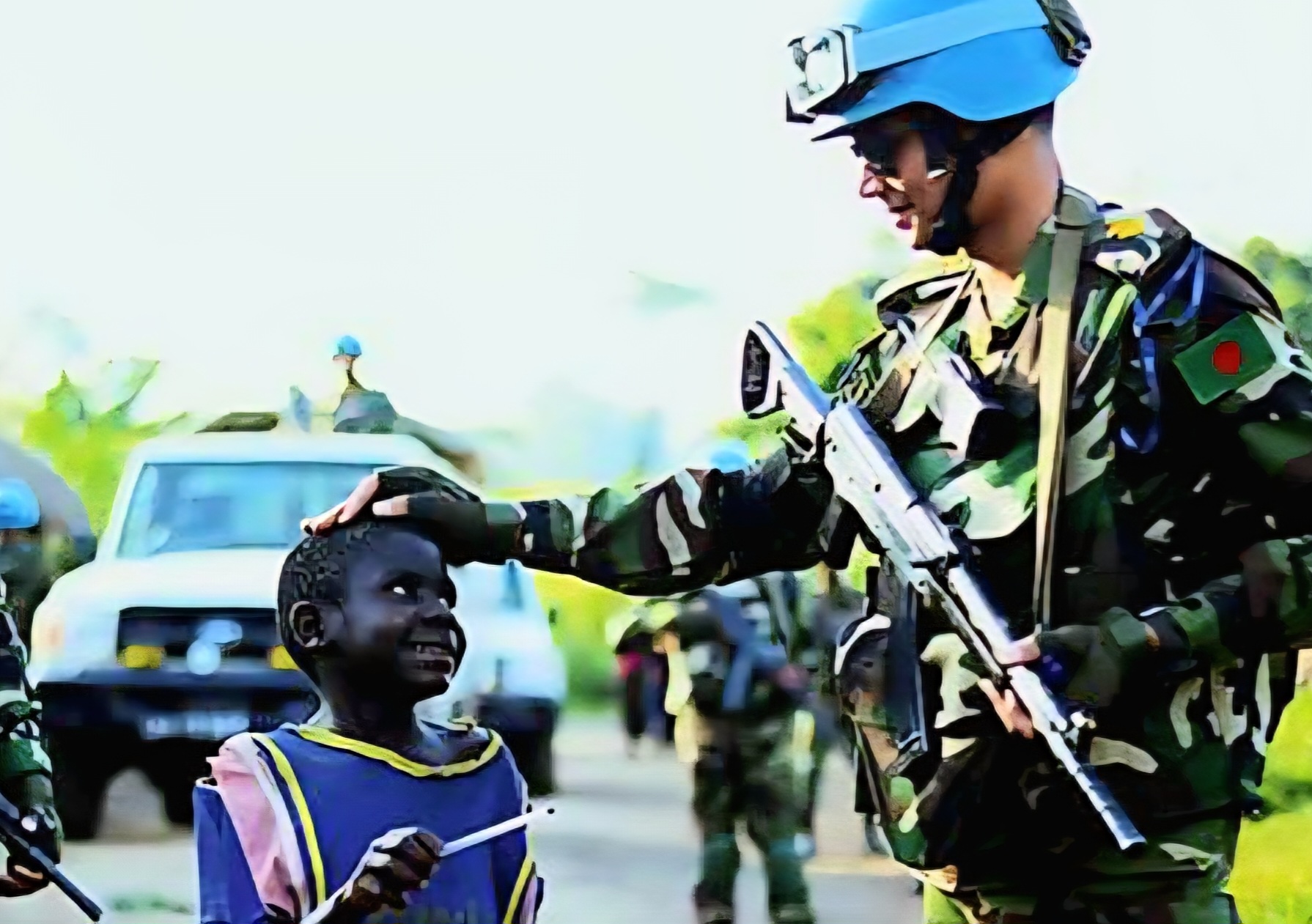
Bandladeshi peace keeper interacting with people in the community. Image Credit: Bangladeshi Post
Bangladeshi Peacekeepers Hit Hard in Abyei: 6 Killed, 8 Wounded in Attack on UN Base
Abyei is not a front line on most people’s radar, but it stays dangerous because it sits where politics, cattle routes, and oil all collide. On Saturday, that danger found a UN base and the Bangladeshi troops assigned to hold it.
Bangladesh’s military public relations directorate said six Bangladeshi peacekeepers were killed and eight were wounded when a UN base in Abyei came under attack. The army called it a terrorist attack and said fighting was still ongoing in the area as the first statements went out.
Bangladesh’s interim chief adviser Muhammad Yunus described the incident as a “terrorist drone attack” and urged the United Nations to ensure urgent treatment and support for the injured. Early reporting said there was no immediate comment from the UN mission.
SOFREP angle. These were not tourists. Peacekeepers do not get to pick the day the war comes to them. They stand post, run patrols, man checkpoints, and try to keep local violence from turning into a wider fire. When a base gets hit, the first fight is not politics. It is perimeter security, casualty care, and holding enough control to keep the next strike from becoming a rout.
Abyei has been contested for years between Sudan and South Sudan, and the UN has treated it like a permanent fracture point. The UN created UNISFA in 2011 to help secure the area, and the Security Council renewed its mandate again in November 2025, extending it through November 2026. UNISFA’s initial authorized strength was 4,200 troops and 50 police, which tells you how seriously the UN views the mission.
Bangladesh has long been one of the UN’s biggest peacekeeping contributors. That means Bangladeshi soldiers keep showing up to the kind of places where nobody is watching until something goes wrong.
For the six killed in Abyei and the eight wounded beside them, the job did not come with movie lines or clean endings. It came with duty, contact, and loss.
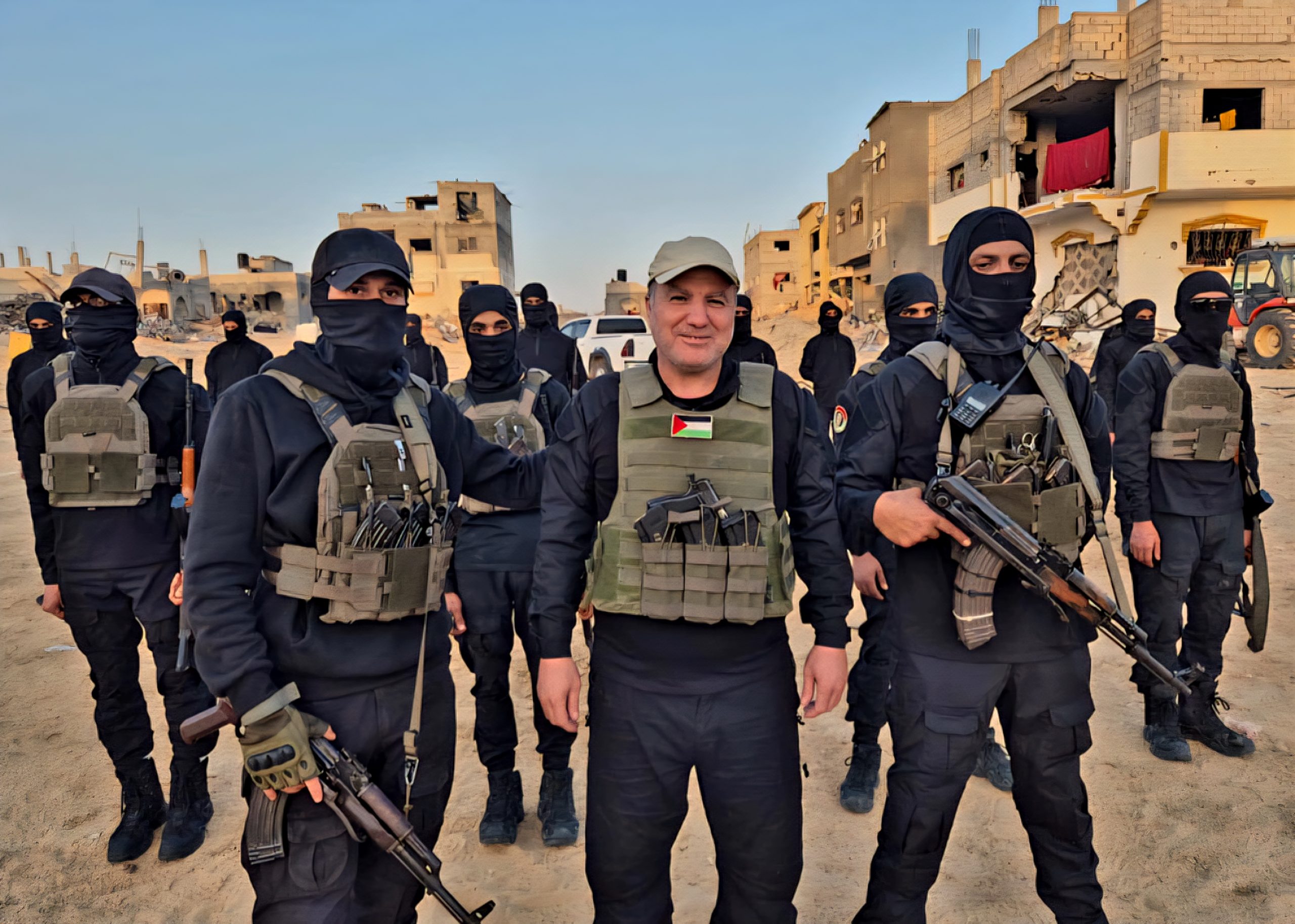
Khaled Mashal, leader of the Counter Terrorism Strike Force. Image Credit: Hussam Al Astal. CTSF
Anti-Hamas Militias in Gaza Expand After Ceasefire, Raising Blowback Risks
Southern Gaza is seeing a new layer of friction after the October 2025 U.S.-brokered ceasefire: small armed groups opposed to Hamas are operating out of Israeli-held zones and trying to carve out space for themselves.
The most visible faction is the Popular Forces, whose commander, Yasser Abu Shabab, was killed in early December, a hit that did not end the project so much as prove how unstable it is. Reuters reports these groups remain small and localised, but they claim they’re recruiting and want a seat at the table in whatever Gaza turns into next.
Israel has acknowledged it is leaning on local rivals to pressure Hamas. Prime Minister Benjamin Netanyahu publicly confirmed that Israel is arming “clans in Gaza” opposed to Hamas, brushing off criticism that the weapons could fuel future violence. Open-source profiles put at least one of these factions in the hundreds of fighters.
Hamas is responding the way it always does when it senses a challenge to control. Reporting citing Gaza security sources says that since the ceasefire, Hamas forces have killed 32 members of a “gang” tied to a family in Gaza City, part of a broader crackdown on alleged collaborators and criminals.
One of the militia leaders, Husam al-Astal, used a Wall Street Journal opinion piece to pitch a future “Gaza security service” built from these anti-Hamas groups, which is advocacy, not a verified fact.
Bottom line: there is no unified command, no clean chain of authority, and no guarantee these armed groups will stay pointed at Hamas once the next political deal shifts. Gaza is not short on guns. It’s short on control.
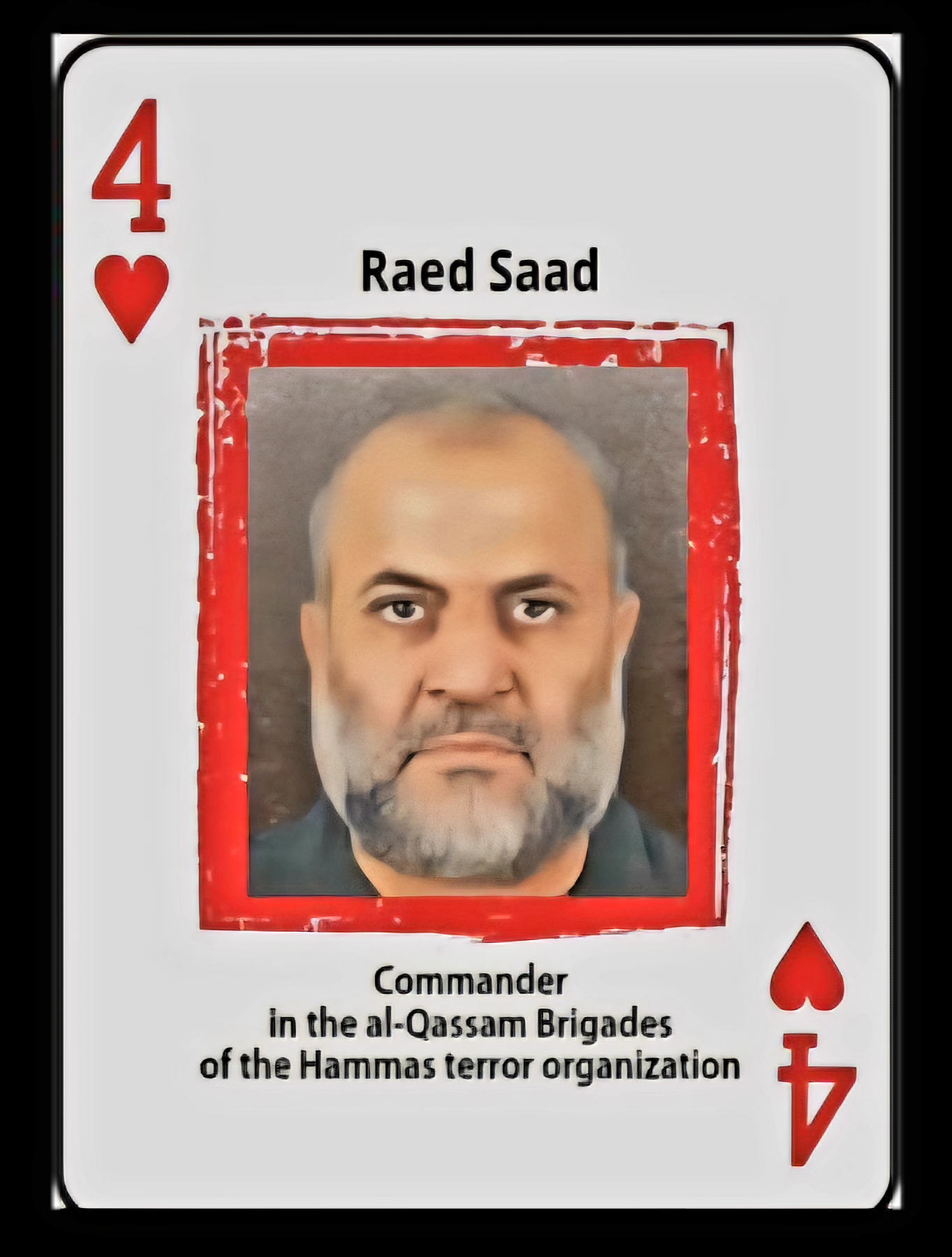
IDF Says Hamas Weapons Figure Raed Saad Killed in Gaza City Strike After IED Wounds Troops
Israel says it killed senior Hamas commander Raed Saad in a targeted strike in Gaza City on Saturday, a hit that lands hard in a ceasefire that has already been taking small-arms leaks.
According to the Israeli military, Saad was struck while riding in a vehicle and was a key figure in Hamas operations and weapons activity. Israel described him as tied to planning the Oct. 7, 2023, attack and accused him of working to rebuild Hamas’ capability during the current truce.
The strike followed an earlier incident in southern Gaza where an explosive device injured two Israeli soldiers, which Israel cited as the reason the kill chain moved fast. Gaza health authorities said the strike killed five people and injured at least 25 others.
Hamas condemned the attack as a violation of the ceasefire and, in early statements, did not confirm Saad’s death. That is standard practice. Groups do not like posting an obituary while the other side is still watching the traffic.
SOFREP angle is the troops, not the talking points. A “precision strike” is not magic. Someone finds the target. Someone tracks it. Someone clears the shot. Someone stays on comms while the weapon is in flight, then somebody else walks into the aftermath to make sure the situation does not turn into a secondary mess.
If Israel is right, this hit disrupts Hamas’ attempts to rearm and buys time for the next phase of negotiations. If Hamas wants payback, it will not be in a press release. It will be with another buried charge on a road somebody has to drive tomorrow. Welcome to the world’s worst game of whack-a-mole.
—
** Editor’s Note: Thinking about subscribing to SOFREP? You can support Veteran Journalism & do it now for only $1 for your first year. Pull the trigger on this amazing offer HERE. – GDM
Advertisement
What readers are saying
Generating a quick summary of the conversation...
This summary is AI-generated. AI can make mistakes and this summary is not a replacement for reading the comments.










COMMENTS