

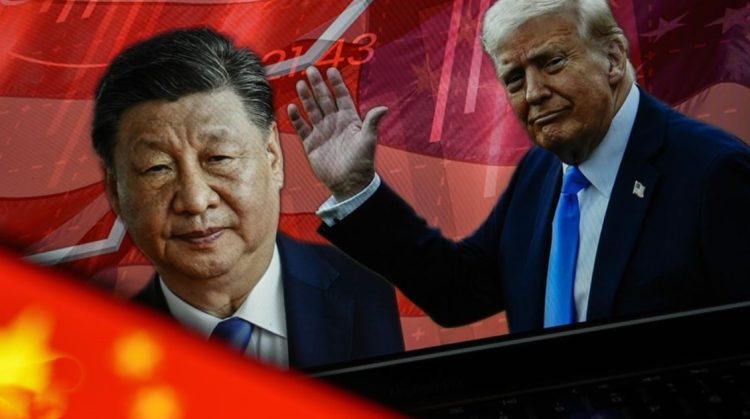
As part of the new arrangement, China has granted short-term export permits to suppliers working with America’s three largest automakers. That’s a clear signal Beijing is backing off—at least for now—from the export restrictions that had American manufacturers on edge. It also hints that both countries are willing to return to the negotiating table, with another round of trade talks reportedly set to take place in London.
Still, nobody should mistake this for a permanent solution. China isn’t giving up its leverage. Rare earths are too important, and Beijing’s export licensing system remains firmly in place. These materials are a strategic asset, and the Chinese government knows exactly how to use them in a trade fight. So while this move cools things off for the moment, the long-term future of America’s rare earth supply is still tied to ongoing diplomacy—and whether both sides can stick to whatever deals they strike.
Trump says Xi has agreed to resume flow of rare earth exports to the U.S., a potential turning point in the U.S.-China trade war. pic.twitter.com/RtVHzzfXhx
— TaiwanPlus News (@taiwanplusnews) June 7, 2025
Trump Eases Restrictions on US Drones
President Trump has just rolled out a sweeping set of executive orders aimed at overhauling how America handles drones—and the shift is substantial. On one hand, he’s clearing the runway for faster commercial innovation. On the other, he’s putting tougher safeguards in place to protect against misuse. The FAA has been told to speed things up, especially when it comes to letting companies fly drones beyond the operator’s line of sight. That’s a significant breakthrough. It opens the door for things like routine package delivery, infrastructure inspections, and rapid emergency response—areas that were previously choked by outdated regulations.
At the same time, Trump wants to make life easier for American drone manufacturers. His orders cut through the red tape that’s slowed down testing, production, and exports. The message is clear: build them here, fly them here, sell them worldwide. This push is also about shaking off reliance on foreign-made drones—especially those coming out of China. By prioritizing domestic manufacturing, the administration is trying to make sure our skies aren’t filled with tech we can’t fully control.
That doesn’t mean the White House is ignoring the risks. These orders also establish new layers of protection to guard against criminal and terrorist drone use. A federal task force is being formed to tighten security around sensitive areas, from power plants to public events like the Olympics and the World Cup. Real-time drone detection tech is being ramped up, and new laws are on the way to block unauthorized flights near critical infrastructure.
Lastly, Trump’s vision goes beyond just drones. He’s throwing support behind next-gen air tech—things like electric vertical takeoff aircraft (those sci-fi-looking flying taxis) and supersonic jets. The goal is to keep America at the front of the global race in aerospace. Bottom line: this is a two-pronged strategy—clear the path for innovation while slamming the door on threats. And it’s all designed to keep American skies safer and more competitive.
Trump signs sweeping executive order to de-regulate commercial drone use and streamline FAA UAS waiver approvals.
Aims to bring:
Commercial drone delivery to the USA
Commercial air taxis to the USA
Drone manufacturing to the USA pic.twitter.com/fjSORbsfUK— National Conservative (@NatCon2022) June 6, 2025








COMMENTS