

Ukraine Hits Russian Refineries, Russia Hits Kyiv
Ukraine and Russia kept the hammer down over the last day, trading long-range shots on infrastructure and population centers. Kyiv is still running the campaign it started in 2024: bleed Russian sustainment by lighting up refineries and maintenance nodes. Moscow is still answering the same way: hit Ukrainian cities and power grids until winter and fatigue do the rest.
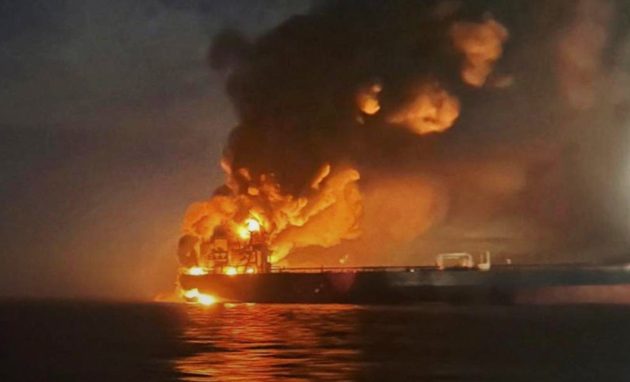
On the night of November 28 into the morning of November 29, Ukrainian drones struck targets in southern Russia. Local officials in Krasnodar Krai reported a fire at the Afipsky oil refinery after a UAV attack. Afipsky is a key regional fuel processor and a supplier to Russian forces operating in the south. It has been hit multiple times this year, which tells you Ukraine keeps it on the short list. Ukraine’s General Staff also reported a strike on an aircraft repair and UAV production complex in Taganrog on the Sea of Azov, part of a steady push to chip away at Russia’s ability to fix aircraft and keep drones rolling off the line.
Russia fired back quickly. Overnight into November 29, a heavy mix of missiles and Shahed-style drones slammed Kyiv and other regions. Ukrainian authorities say at least three people were killed in the capital and two more in Dnipropetrovsk. Several residential buildings were hit, fires broke out in multiple districts, and roughly half of Kyiv, especially the western side, lost electricity for hours. Mayor Vitali Klitschko described widespread damage and emergency crews working through the night, while Zelenskyy repeated the same winter warning we have heard all year: Russia is still hunting the grid as much as the army.
Moscow also claimed its air defenses shot down more than 100 Ukrainian drones over Crimea, the Azov Sea, and interior regions. Maybe those numbers are real, maybe they are morale math. Either way, Russia is burning expensive interceptors and radar time on cheap drones every night. That is a slow bleed on their side of the ledger even when a few targets get missed.
Put it together and this is straight attrition. Ukraine is trying to choke Russian fuel and repair capacity. Russia is trying to break Ukrainian will by turning the lights off and keeping civilians on edge. Neither side is blinking, and neither side is running out of unmanned systems. The rear area is now a main effort for both. If you were looking for a de-escalation story, this isn’t it.
Last night, Ukraine hit the Afipsky Oil Refinery, which accounts for about 2.1% of Russia’s total oil refining output.
Worth mentioning the Russians had just finished duct taping the refinery back into operation, after it got hit once in September and twice in August. pic.twitter.com/neaYxhzDuK
— Daractenus (@Daractenus) November 29, 2025
TikTok Bomb Threat in Texas, Afghan National Arrested
An Afghan national in Texas is in custody after allegedly posting a TikTok that looked like a bomb build tutorial with a target callout for the Fort Worth area – still just allegations at this point. The suspect, Mohammad Dawood Alokozay, was arrested this week in a joint move by Texas DPS and the FBI Joint Terrorism Task Force.
DHS says he entered the U.S. through Operation Allies Welcome and later became a lawful permanent resident in September 2022. He is charged at the state level with making a terroristic threat and is sitting in Tarrant County jail. ICE has lodged an immigration detainer.
As of now, this looks like a one-man case. No confirmed co-conspirators. No announced federal terrorism charges yet. Public reporting also does not say he had a working device in hand when he was grabbed. What we have is threat signaling online, an apparent intent to hit a U.S. city, and law enforcement stepping in before it got past the planning stage. That is a win.
The political heat is obvious. Alokozay came in under the same evacuation pipeline that brought Rahmanullah Lakanwal to the U.S., the Afghan national accused of shooting two National Guard troops in D.C. this week. There is no evidence these two men knew each other, coordinated, or shared a network. Nobody credible is claiming that. Still, you are not crazy to see a connection. Both cases sit under the same umbrella of violent extremist intent. Acts of terror do not need a shared handler to be strategically related. What links them is the playbook. Target uniforms or civilians, use surprise, chase headlines, and try to fracture public trust.
From a security standpoint, this case is a reminder that social media is part of the battlespace now. DHS has warned for years that platforms like TikTok can be vectors for self-radicalization and for broadcasting intent. Here, open source video appears to have been the tripwire that let investigators move early. The bad guys keep trying to use the internet as a megaphone. Sometimes it doubles as a flare for the cops.
None of that means we paint with a broad brush. Hundreds of thousands of Afghans were evacuated, and the overwhelming majority are trying to build stable lives. But vetting is not magic, and the battlefield is not left behind just because someone gets on a plane. If a person arrives with hate wired in, or picks it up online here, the threat is real.
Bottom line. This was a disrupted attack, not a completed one. The system worked this time. The right question now is whether the pipeline and the online spaces that feed this kind of intent are being watched hard enough to keep working.
🚨 An Afghan national was just arrested in Texas for making a TERRORIST THREAT, claiming he was building a bomb to blow up Fort Worth
As if we needed even MORE proof that Biden and Psaki LIED when they said these people were “thoroughly vetted”
THEY IMPORTED LITERAL TERRORISTS pic.twitter.com/30QmWjUn9c
— Nick Sortor (@nicksortor) November 29, 2025
—
** Editor’s Note: Thinking about subscribing to SOFREP? You can do it now for only $1 for your first year. Pull the trigger on this amazing offer HERE. – GDM








COMMENTS