


There are also unconfirmed reports that senior regime figures, including Diosdado Cabello, may have fled the country. As with Maduro’s status prior to U.S. confirmation, no proof of location has been produced, and these claims remain reported but unverified.
What Has Not Been Declared
The Pentagon has not released an after-action report on the raid itself. The specific special operations units involved, Venezuelan casualties, and the full scope of kinetic action remain reported rather than declared. That silence appears deliberate and consistent with ongoing operational and legal sensitivities.
Bottom Line
Venezuelans who lived under Maduro are not marching against his removal. They are celebrating it.
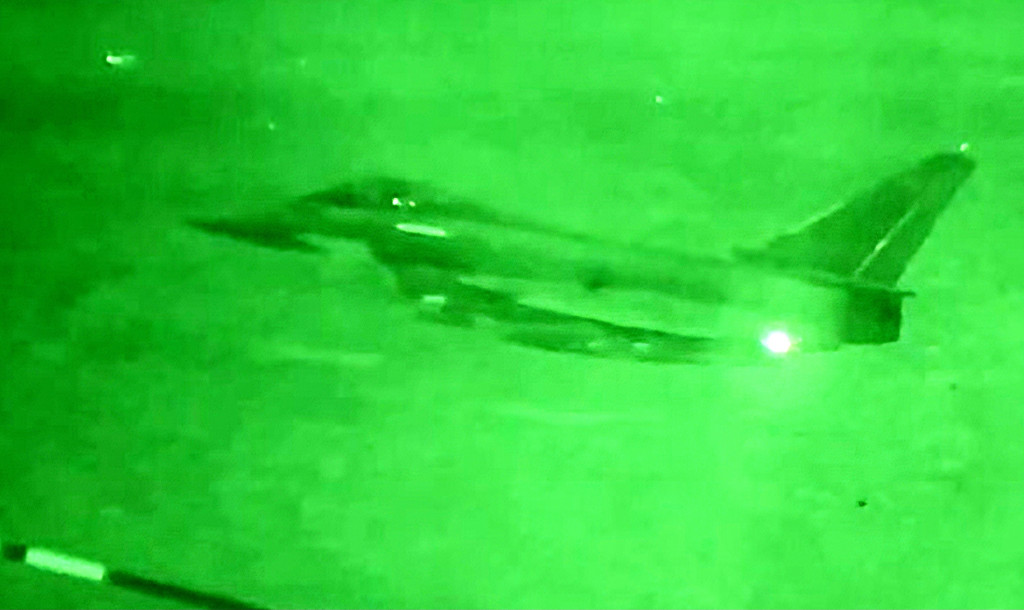
RAF Typhoons Strike ISIS Weapons Cache in Syria
British fighter jets struck an Islamic State weapons stockpile in central Syria overnight, the UK Ministry of Defence confirmed on January 4, marking the latest coalition action against ISIS reconstitution efforts.
RAF Typhoon aircraft operating from RAF Akrotiri in Cyprus conducted precision strikes after CENTCOM intel flagged a long-dormant ISIS facility assessed to have been recently reactivated. The site was linked to ISIS elements displaced from northern Syria, including areas around Ain Issa.
The target was a weapons complex roughly 500 by 300 meters in size, believed to contain small-arms ammunition, 122mm rockets, and possible unmanned aerial systems. According to the MoD, four of six structures were struck, with secondary explosions confirming stored munitions. No civilian casualties were reported.
The strike tracks a U.S.-led coalition operation earlier this week that hit dozens of ISIS targets across Syria, underscoring continued air pressure on the group even as Western forces prepare for a reduced footprint.
Bottom line. ISIS remains degraded but operationally adaptive. Coalition airpower is still being used to disrupt weapons caches and command nodes before they can regenerate combat capability.
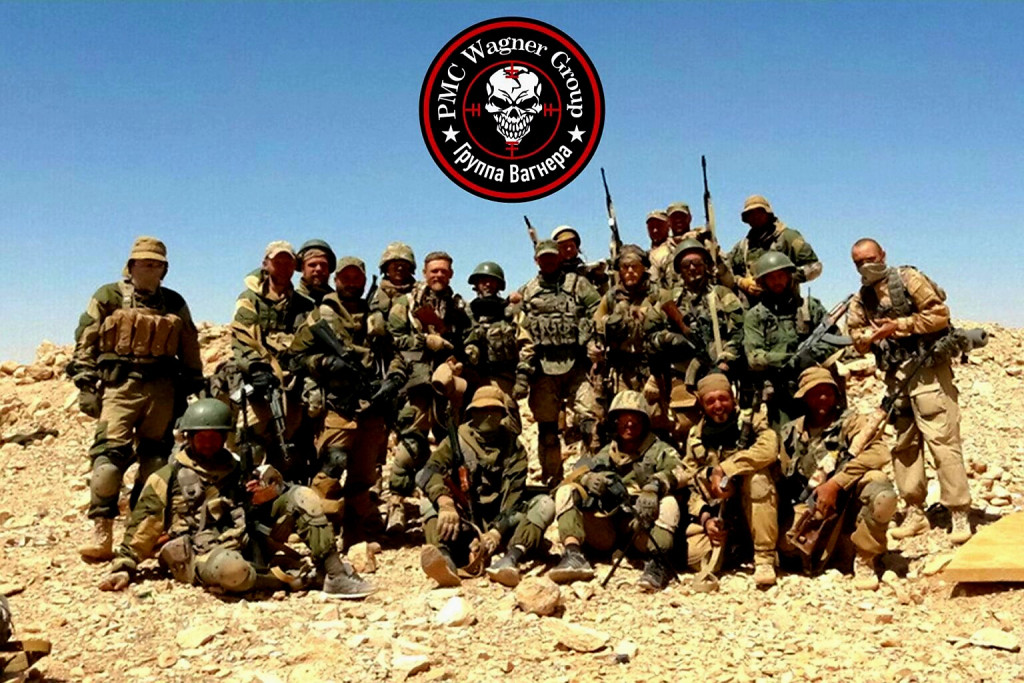
Wagner Group and RSF: Russia’s Proxy Playbook in Sudan
Russia’s use of proxy forces in Sudan did not emerge overnight. It follows a familiar Wagner Group model seen previously in Syria, Libya, Mali, and the Central African Republic. Trade security and combat support for access to natural resources, then leverage local militias to advance Moscow’s interests at arm’s length.
Wagner’s presence in Sudan began in 2017 under then-president Omar al-Bashir. Russian contractors provided regime security assistance in exchange for access to gold concessions through Meroe Gold, a Prigozhin-linked front company. Initial deployments reportedly numbered between 100 and 200 contractors tasked with securing mining sites near the Chad and Central African Republic borders. Gold was smuggled through the United Arab Emirates and used to bankroll Wagner operations elsewhere, mirroring the model later seen in Mali and CAR.
After Bashir’s removal in 2019, Wagner shifted its support to the Rapid Support Forces under Mohamed Hamdan Dagalo, known as Hemedti. The RSF, rooted in the former Janjaweed militias, controlled key gold fields in Darfur. In return for combat advising, intelligence support, and limited air assets, Wagner reportedly took a substantial cut of gold revenues. Open-source reporting and Western intelligence assessments have linked Wagner to RSF access to fixed-wing close air support and unmanned aerial systems during this period.
The April 2023 outbreak of full-scale civil war between the Sudanese Armed Forces and the RSF accelerated that relationship. Wagner, later rebranded as the Africa Corps following Yevgeny Prigozhin’s death, expanded its footprint. Estimates place between 1,200 and 1,500 Russian contractors embedded with RSF units. Weapons and ammunition flowed through eastern Libya with the cooperation of Khalifa Haftar’s forces, while drone command-and-control nodes were reportedly established around Nyala. RSF forces briefly seized Khartoum International Airport early in the fighting, creating a logistics window that benefited Russian operations.
By late 2025 and into January 2026, RSF advances in Kordofan, including the capture of Babanousa and pressure on Kadugli, reflected tactics consistent with Wagner playbooks elsewhere. Reports describe the use of Su-25 strikes against SAF convoys, FPV drones targeting armored vehicles, and small-unit assaults coordinated with aerial reconnaissance. Sudanese forces have responded by striking suspected RSF drone sites near Nyala, and captured fighters have included foreign mercenaries.
The humanitarian cost is severe. Kadugli is assessed to be in IPC Phase 5 famine conditions, while gold revenues continue to sustain RSF operations despite international sanctions.
Bottom line. Sudan is a live example of how Russia wages proxy war outside Europe. Local militias provide manpower. Russian contractors provide air, drones, and targeting. For U.S. and partner forces operating in Africa, the threats increasingly resemble what special operations units have faced in eastern Ukraine.
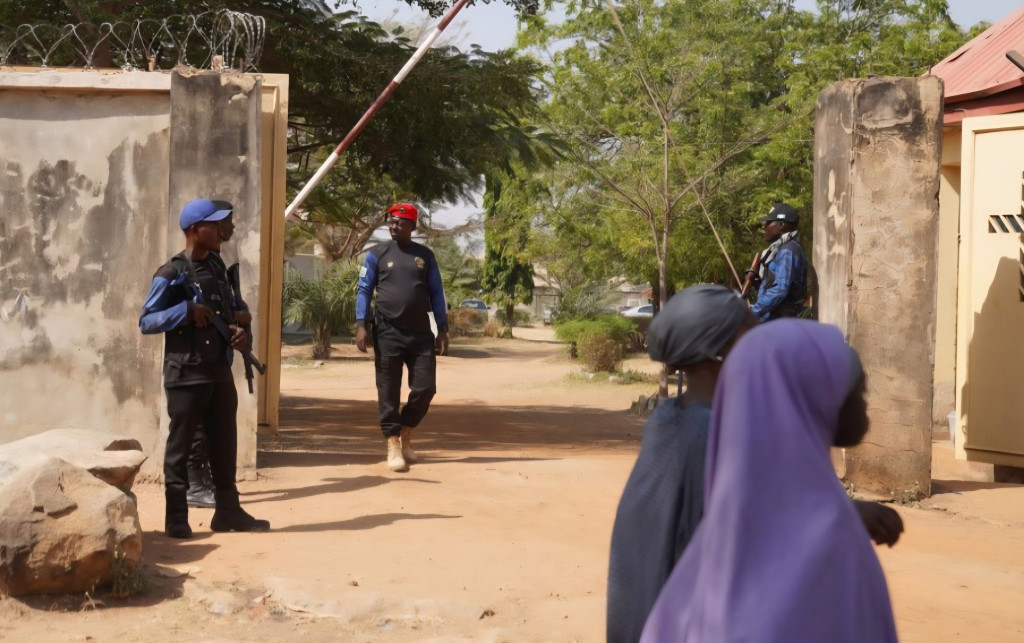
Gunmen Kill at Least 30 in Nigeria Village Attack
At least 30 people were killed and several others abducted after armed men attacked a village in north-central Nigeria, according to police.
The attack occurred Saturday evening in Kasuwan-Daji, a community in the Borgu area of Niger State. Gunmen reportedly stormed the village, opening fire on residents before setting parts of the local market and several homes ablaze.
Niger State police spokesman Wasiu Abiodun said in a statement that “over 30 victims lost their lives” during the assault. Security forces were deployed to the area following the attack, though no arrests have been announced.
Local residents provided a higher toll. At least two villagers told reporters that 37 people had been killed and warned the number could rise, as some residents remained missing as of Sunday. Several people were also reportedly abducted during the raid, though police have not confirmed the number.
Authorities have not publicly identified the attackers. Niger State has seen repeated violence linked to armed criminal groups often described locally as bandits, who conduct raids, kidnappings, and village burnings across large swaths of north-central and northwestern Nigeria. These groups typically operate from remote forested areas and target rural communities with limited security presence.
The attack underscores Nigeria’s persistent internal security crisis, where mass-casualty assaults and abductions continue despite ongoing military operations.








COMMENTS