

SR-72 Development Has Been Ongoing for a Long Time
Although the geopolitical landscape changed in the late 80s and through the 90s, and the 2000s gave us the Global War on Terror, ISR will always be a requirement for any nation, and any military. Threats from non-state actors like terrorists still will require intelligence and surveillance. Future threats from political adversaries will also never go away. The resurgence of Russia, and the emergence of China as a new world power and threat, has brought those requirements and budgets, back to the list of priorities.
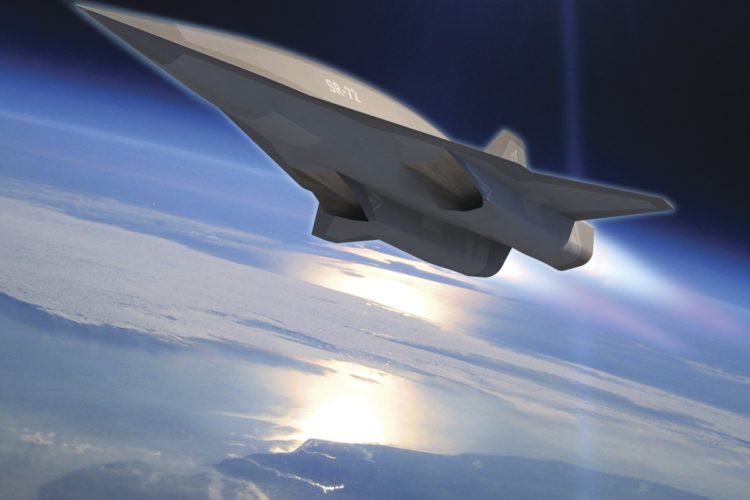
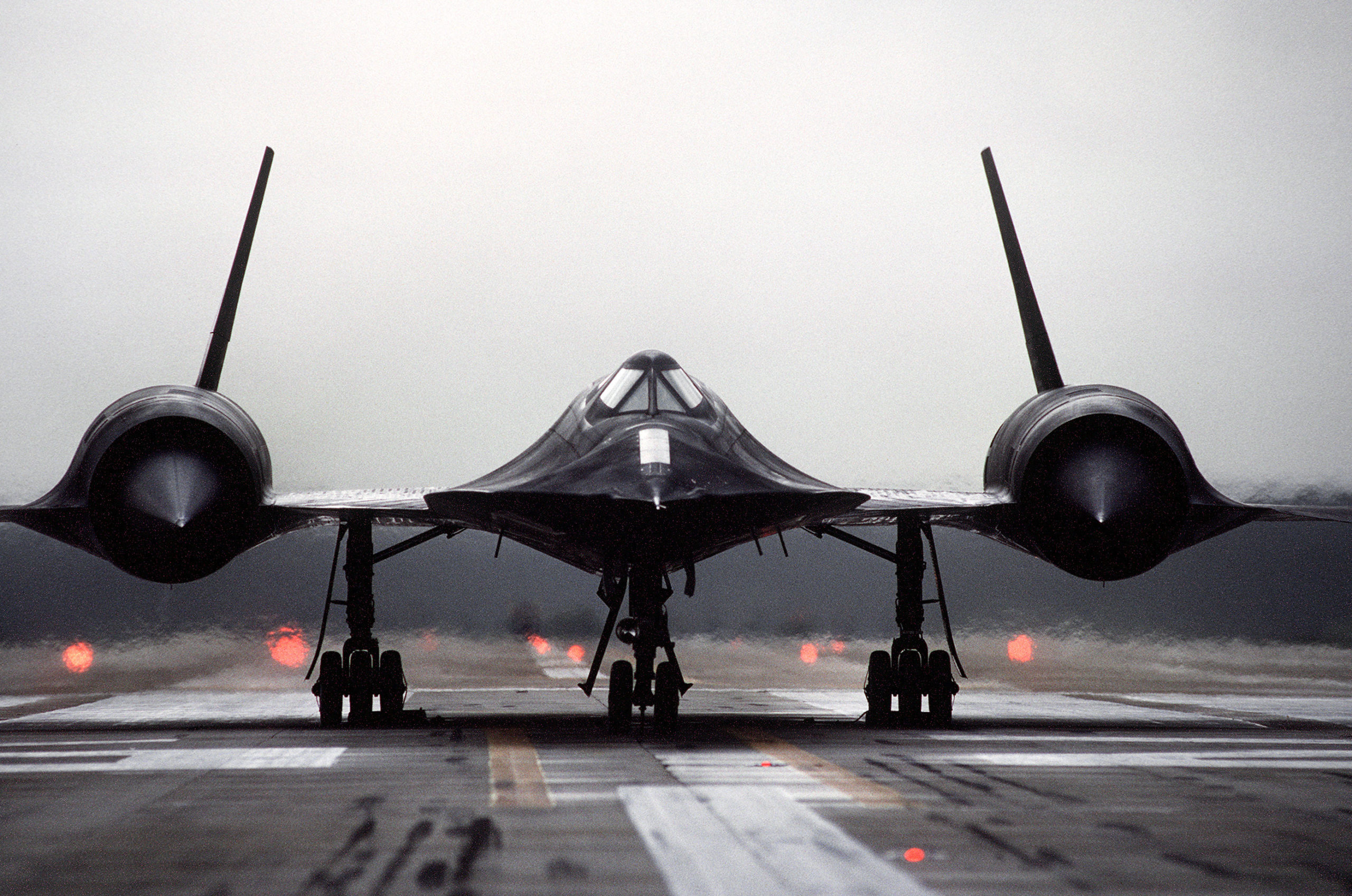
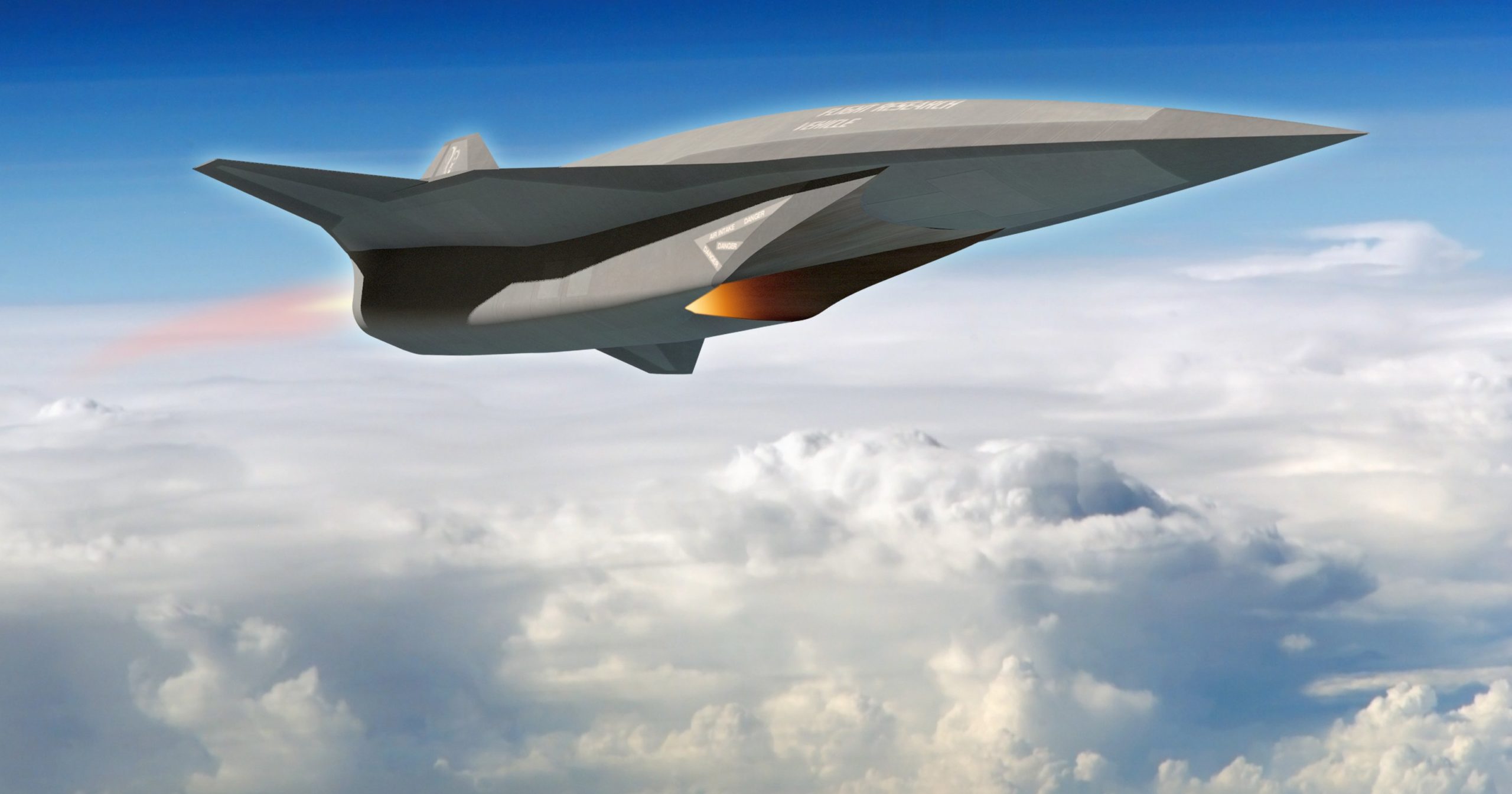
Just a few short years after the retirement of the SR-71, the development of the next generation began, or at least the public disclosure of development. While unconfirmed and classified by Lockheed Martin and the government, it’s likely the development of the next-generation replacement for the Blackbird began immediately. What we now call the SR-72, has been in some phase of development at the Lockheed Martin Skunk Works for 20 years. Whispers and reports started to emerge in 2007 of an Air Force plane capable of Mach 6, and over the last few years, information is more common.
Given the nature of the mission, and the length of time to develop such technology, these reports from the early 2000s are probably accurate. Developing hypersonic technology, speeds of Mach 6, has been theoretical for a long time. Scientists and engineers know what they need to do, and they probably already know how to do it. They know what needs to happen for the ramjet engines to be able to function at low and high speeds. They now need time for development and to make it all come together. At the latest, we publicly know that NASA gave Lockheed Martin a contract in 2014 to test the feasibility of the technology for dual-mode ramjets. They probably started sooner than that.
Speculation Abounds
It’s easy to find speculation online as to what that stage of development is, and to what the role will be. Some reports present a hypersonic spy plane, and others a hypersonic strike aircraft, and some imagine it will be both. Most reports call it a drone, with some calling it a drone with the option for manned flight. There is also speculation that it is already operational, or at least in advanced testing phases.
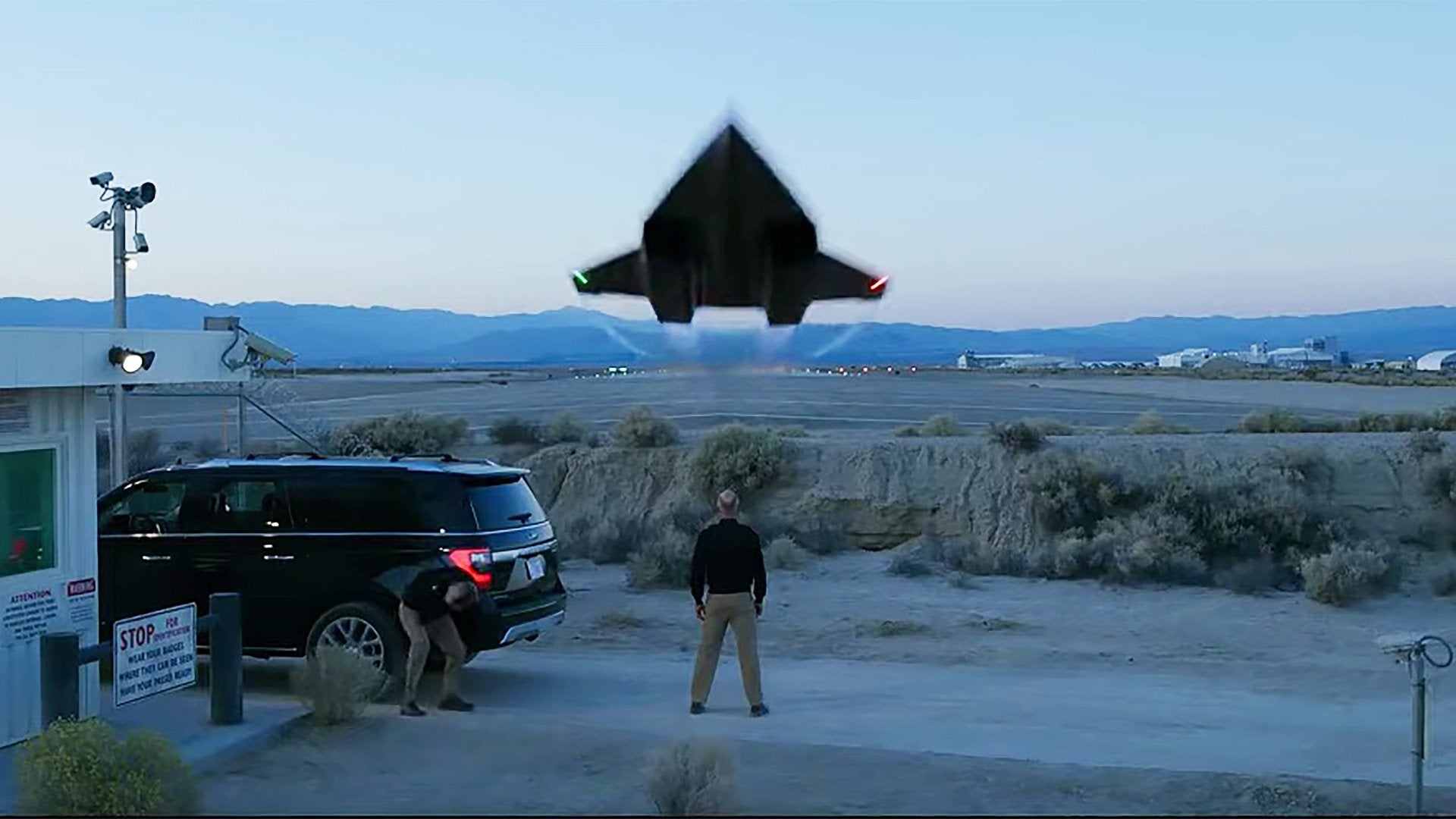
Two theories emerge as the more likely scenarios. The first is that given the high level of secrecy and operation (so we think) of the Northrop Grumman RQ-180 stealth UAV, the SR-72 will need to be more than just another drone. Being hypersonic might be “enough” of an answer to that, given it will be a huge jump in capability. However, a manned aircraft presents different advantages and capabilities to a drone, hypersonic or not. It will also fill a huge gap that is currently non-existent, and not quite covered by drones and satellites. It will also carry hypersonic missiles, based on statements and information that are known about the project. This will allow the SR-72 to be a high-speed interceptor, being able to catch just about any threat in the world or respond to crises and threats in extreme real-time.
The second theory is that even though Lockheed has made comments to the contrary, the development of the SR-72 is more advanced than acknowledged. That would make sense, of course, keeping the program as classified as long as possible. While it hasn’t received a large amount of attention, it still has received attention. The existence was known years before confirmation, so any statement to the contrary sounds like “damage control,” and trying to put the secret back into the bag. Besides, there are decades of data on the SR-71 and decades for engineers to take that data and turn it into a new aircraft like the SR-72 which is an evolutionary design improvement on the Blackbird program rather than a revolutionary new design incorporating advances in computers, avionics, fly by wire, sensors, propulsion, and metallurgy.
Especially, the metallurgy.
Future Development and Expectations
As more conversation and speculation around hypersonic capabilities arise, and as China and Russia also develop their capabilities, the SR-72 and other hypersonic programs will continue to get more attention. And with more information, we will learn more about the SR-72 program and operational timeline.
At the same time, true capabilities are well-guarded secrets. The U.S. government will want the world to know it exists, yet they will never divulge the true potential and complete operational capability. One can also wager the Chinese and Russians, and others will be working hard to acquire as much information and secrets about the program as possible.
It will be exciting to see how the development plays out. It will be one of the biggest engineering advances the world has ever seen. The project, if successful, will be a significant feat of aeronautical success and will change the military world.
It is also interesting to note that even with more than 120 state-of-the-art spy satellites in orbit, there is still a need for hypersonic reconnaissance and/or strike aircraft like the SR-72.








COMMENTS