Even as the Army steps away from formal MRT requirements, the resilience skills it taught are still mission-useful and should be shared through strong mentorship to help soldiers stay alive and pass their PT tests.
Read the full article for more on:
Important insights and detailed analysis
Expert commentary on current events
Breaking developments and updates
Updating summary...
The Art of the Suck: Why Resilience Skills Still Belong in the Ruck
Galen Fries
Speed
1x
Listen
COMMENTS
Even as the Army steps away from formal MRT requirements, the resilience skills it taught are still mission-useful and should be shared through strong mentorship to help soldiers stay alive and pass their PT tests.
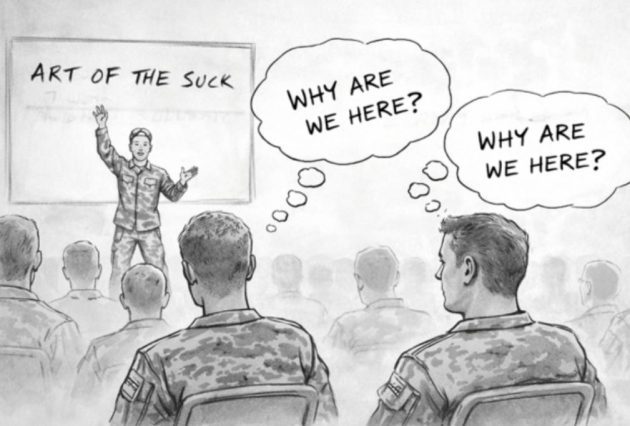
While none of us like the touchy feely training, sometimes we can find value between the lines. Image by the author
The military has never struggled to teach people how to suffer. We’ve been doing that since before anyone had a PowerPoint clicker. What we’ve struggled with is teaching people how to think while they’re suffering, and how to help the soldier next to them do the same.
Advertisement
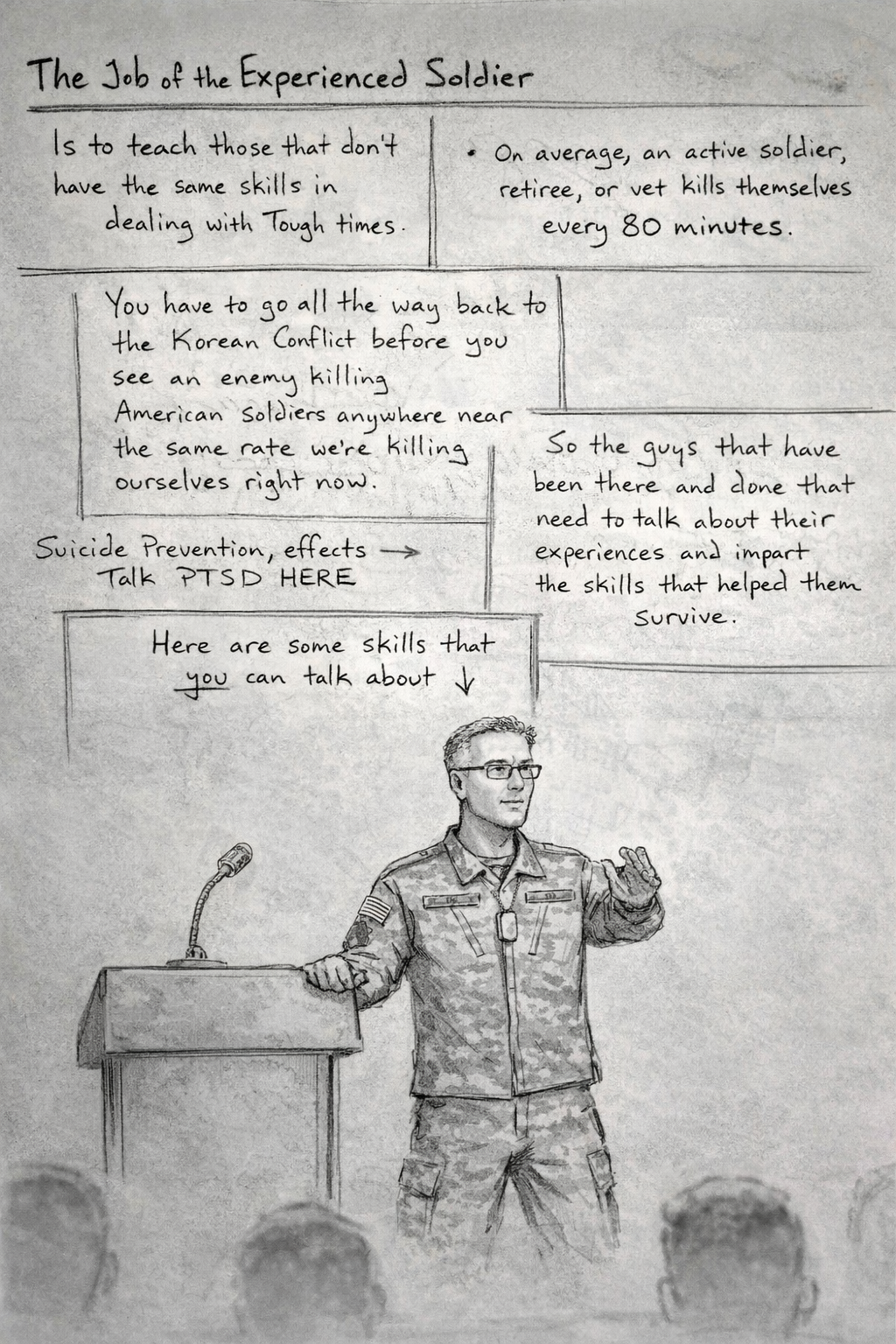
Classic MRT Training. Still worth a look. Image by the author
For years, the Army tried to fill that gap with resilience training, including Master Resilience Training, built on research out of Penn State. The point was never to make soldiers soft. The point was to make them harder to break by teaching them how to recognize bad thinking under stress before it turns into bad decisions.
Now the Army is moving away from MRT as a formal requirement and shutting down future MRT courses. That’s a policy decision. Fine. But the skills taught in that training are still useful, still practical, and still worth sharing, because stress did not get the memo.
The core idea is simple. Your thoughts drive your decisions. Under pressure, your brain starts freewheeling. It jumps to conclusions. It catastrophizes. It tells you you’re a failure because you had a bad day, failed a run, got chewed out, or got dumped. None of that is rare. None of it makes someone weak. It makes them human.
Advertisement
Resilience skills teach you to slow down just enough to check your thinking. Not with therapy talk. With common sense. What do I actually know? What am I assuming? What’s another explanation? What’s the next right action? Those questions keep people from spiraling and keep units from losing good soldiers to preventable errors and preventable despair.
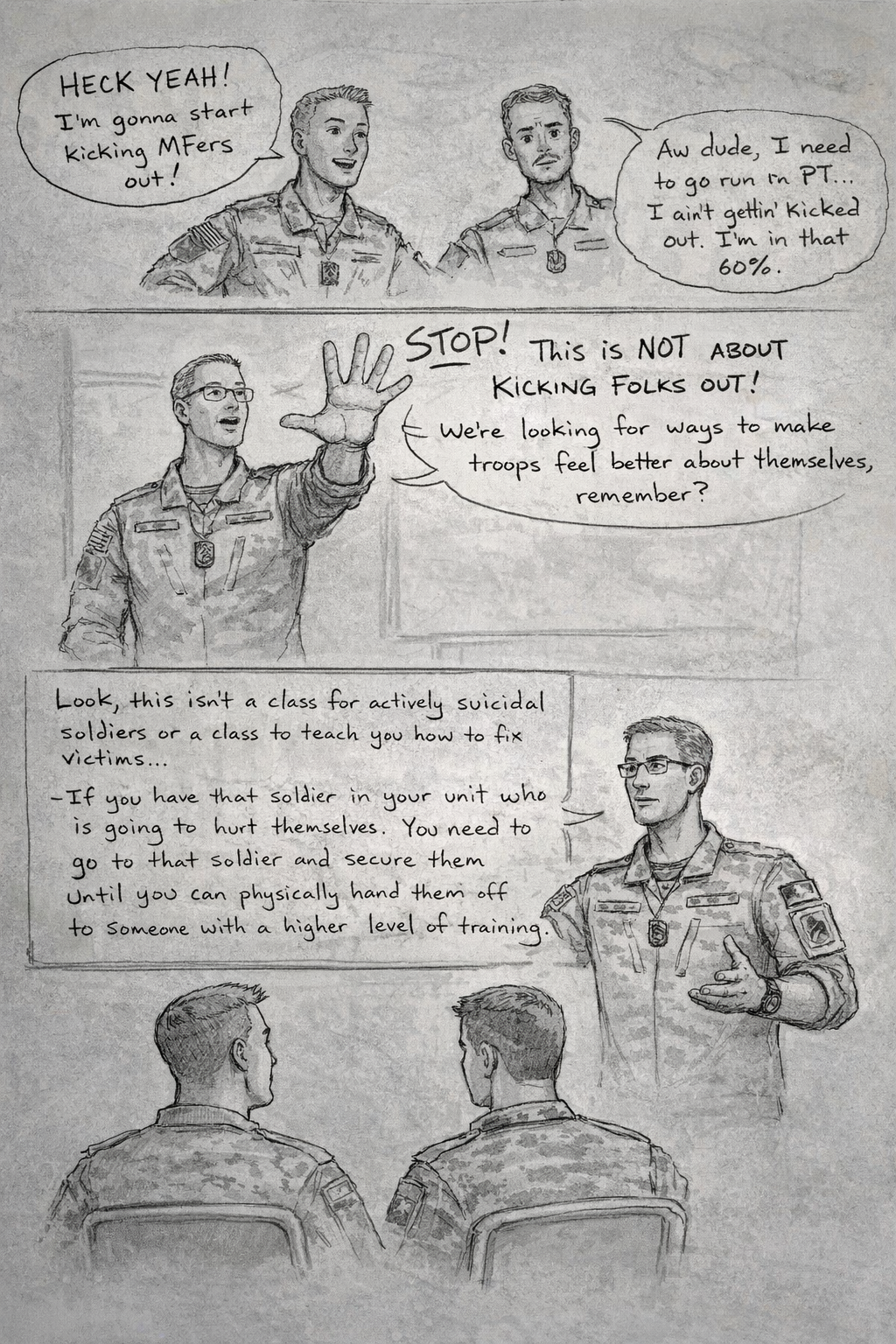
One important point, especially for leaders: resilience training is not a class for identifying suicidal soldiers. If a soldier is actively suicidal, that is an emergency. You secure them, you get help, and you hand off to professionals. Full stop.
Advertisement
Resilience skills are for everyone else. The tired. The burned out. The soldier who is behind on PT and starting to think that means he’s behind in life.
This is where the PT test comes in.
Failing PT doesn’t always start with weak lungs. It often starts with stress, bad sleep, poor recovery, and a voice in your head telling you you’re already done. Once that voice takes over, training turns into avoidance. Avoidance turns into shame. Shame turns into isolation. That’s how small problems become big ones.
Advertisement
Mentorship and a lead from the front example is what troops need. Image by the author
Mentorship breaks that chain.
A good NCO doesn’t just say, “Fix your run time.” He asks what’s going on. He runs with the soldier. He checks the basics. He reframes the problem. Passing the PT test becomes a process, not a verdict.
That same mentorship is one of the strongest suicide prevention tools the military has ever had. Not posters. Not annual briefings. Relationships. Leaders who notice. Peers who check in. Veterans who tell younger soldiers, “I’ve been there, and here’s what helped.”
So even if the Army is stepping away from the formal MRT pipeline, the lesson shouldn’t be tossed in the trash. This is still good information. It should be understood, used, and passed down because it helps troops perform, helps them stay in the fight, and sometimes helps them stay alive.
You don’t need a certificate to teach soldiers how to think clearly when things get heavy.
You just need leaders willing to do it.
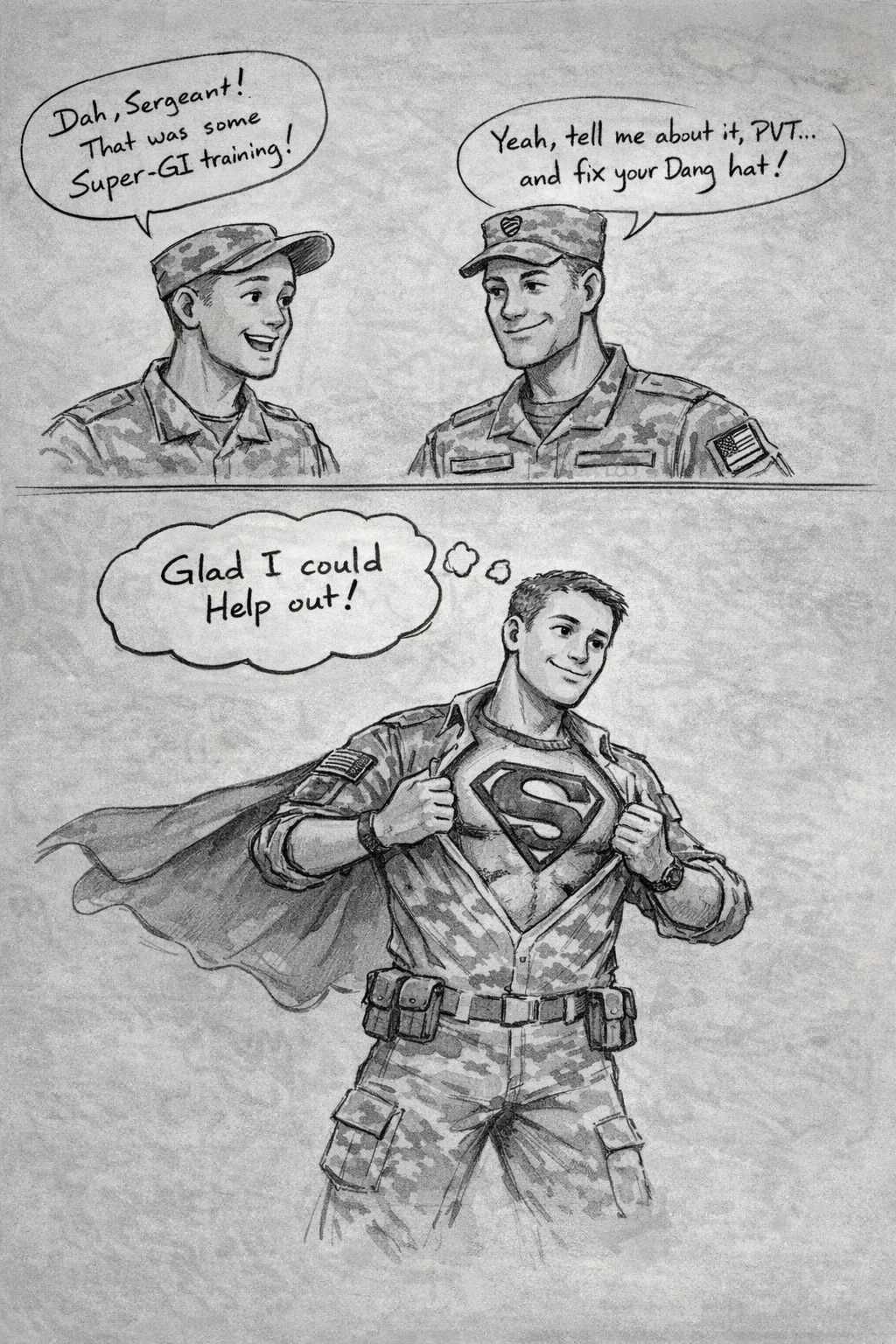
Sometimes the cape is implied. Image by the author
–––
** Editor’s Note: Thinking about subscribing to SOFREP? You can support Veteran Journalism & do it now for only $1 for your first year. Pull the trigger on this amazing offer HERE. – GDM
Advertisement
What readers are saying
Generating a quick summary of the conversation...
This summary is AI-generated. AI can make mistakes and this summary is not a replacement for reading the comments.










COMMENTS