The ramifications of military actions in wartime are profound and far-reaching, often leading to significant loss of life and international condemnation. In recent discussions surrounding the bombing of a vessel during military operations, it has become evident that critical legal and ethical questions arise regarding the legality of such strikes, the potential designation as war crimes, and the necessity for accountability among national leaders, including the President, Secretary of Defense, and military leadership.
Legality of Military Strikes
According to international law, military operations must comply with established frameworks, including the principles of distinction and proportionality as outlined in the Geneva Conventions. Strikes against civilian targets or those deemed unlawful are considered illegal under both domestic and international law. This framework exists to protect non-combatants and ensure that military actions are justified by the necessity of warfare.
When actions taken during conflict fail to meet these legal obligations, they risk being classified as war crimes. The implications of such classifications extend beyond national boundaries; they invoke global support for accountability mechanisms that seek to address and rectify injustices experienced by affected communities and nations.
The Discourse on War Crimes
War crimes are defined as serious violations of the laws and customs of war, particularly those that result in unnecessary suffering or targeting of civilians. In light of the boat strikes, unresolved questions surround the nature of the target and the information available to decision-makers at the time. If it is determined that the strike constituted an attack on civilian entities or included excessive force disproportionate to military objectives, those responsible could face serious ramifications under international law.
The acknowledgment of war crimes also raises the broader issue of command responsibility. Military leaders and political figures who authorize or execute illegal actions are not shielded from accountability simply because they occupy positions of authority. The principle of command responsibility dictates that senior officials must ensure compliance with international humanitarian law. This principle serves as a basis for holding those who issue orders accountable, even if those orders originate from a higher command.
Accountability: A Responsibility of Leadership
In discussing accountability, it is vital to scrutinize the roles played by the President, his Secretary of Defense, and senior military leaders, including media commentator Pete Hegseth, who may have endorsed or facilitated these actions. The responsibility for military operations ultimately lies not only with the individuals who executed the orders but also with those who conceived and issued them.
President Trump, as the Commander-in-Chief, had the authority to dictate military strategy and operational protocols. His direct involvement and discretion in military operations necessitate a level of accountability for outcomes that arise from his orders. Similarly, the Secretary of Defense and senior military personnel have a duty to evaluate the legality and morality of proposed actions, challenging any directives that might violate international law.
The acceptance of orders without sufficient scrutiny undermines the integrity of military leadership and ethics. It raises questions of complicity in potential war crimes, where obedience to authority supersedes the moral obligation to protect civilian life and adhere to international legal standards. Accountability, therefore, must extend to Trump and his administration for the policy decisions that led to the unlawful actions taken against the vessel.
Conclusion
The bombing of the boat highlights critical issues concerning the legality of military strikes, potential war crimes, and the urgent need for accountability from leadership at all levels. The principles of international law establish a framework designed to protect human rights and dignity, underscoring the necessity for military actions to align with these ethical considerations. As nations navigate the complexities of warfare, transparency, and accountability among leaders is vital for upholding these norms.
Failure to address the accountability of the President, his Secretary of Defense, and senior military leaders risks permitting a climate of impunity that jeopardizes not only the rule of law but also the moral foundation upon which military operations should stand. In the pursuit of justice and to prevent future violations, it is imperative that all individuals, regardless of rank or position, are held accountable for their actions during warfare. Only through rigorous examination and adherence to ethical standards can we begin to foster a safer and more just world.
Already have an account? Sign In
Two ways to continue to read this article.
Subscribe
$1.99
every 4 weeks
- Unlimited access to all articles
- Support independent journalism
- Ad-free reading experience
Subscribe Now
Recurring Monthly. Cancel Anytime.
The ramifications of military actions in wartime are profound and far-reaching, often leading to significant loss of life and international condemnation. In recent discussions surrounding the bombing of a vessel during military operations, it has become evident that critical legal and ethical questions arise regarding the legality of such strikes, the potential designation as war crimes, and the necessity for accountability among national leaders, including the President, Secretary of Defense, and military leadership.
Legality of Military Strikes
According to international law, military operations must comply with established frameworks, including the principles of distinction and proportionality as outlined in the Geneva Conventions. Strikes against civilian targets or those deemed unlawful are considered illegal under both domestic and international law. This framework exists to protect non-combatants and ensure that military actions are justified by the necessity of warfare.
When actions taken during conflict fail to meet these legal obligations, they risk being classified as war crimes. The implications of such classifications extend beyond national boundaries; they invoke global support for accountability mechanisms that seek to address and rectify injustices experienced by affected communities and nations.
The Discourse on War Crimes
War crimes are defined as serious violations of the laws and customs of war, particularly those that result in unnecessary suffering or targeting of civilians. In light of the boat strikes, unresolved questions surround the nature of the target and the information available to decision-makers at the time. If it is determined that the strike constituted an attack on civilian entities or included excessive force disproportionate to military objectives, those responsible could face serious ramifications under international law.
The acknowledgment of war crimes also raises the broader issue of command responsibility. Military leaders and political figures who authorize or execute illegal actions are not shielded from accountability simply because they occupy positions of authority. The principle of command responsibility dictates that senior officials must ensure compliance with international humanitarian law. This principle serves as a basis for holding those who issue orders accountable, even if those orders originate from a higher command.
Accountability: A Responsibility of Leadership
In discussing accountability, it is vital to scrutinize the roles played by the President, his Secretary of Defense, and senior military leaders, including media commentator Pete Hegseth, who may have endorsed or facilitated these actions. The responsibility for military operations ultimately lies not only with the individuals who executed the orders but also with those who conceived and issued them.
President Trump, as the Commander-in-Chief, had the authority to dictate military strategy and operational protocols. His direct involvement and discretion in military operations necessitate a level of accountability for outcomes that arise from his orders. Similarly, the Secretary of Defense and senior military personnel have a duty to evaluate the legality and morality of proposed actions, challenging any directives that might violate international law.
The acceptance of orders without sufficient scrutiny undermines the integrity of military leadership and ethics. It raises questions of complicity in potential war crimes, where obedience to authority supersedes the moral obligation to protect civilian life and adhere to international legal standards. Accountability, therefore, must extend to Trump and his administration for the policy decisions that led to the unlawful actions taken against the vessel.
Conclusion
The bombing of the boat highlights critical issues concerning the legality of military strikes, potential war crimes, and the urgent need for accountability from leadership at all levels. The principles of international law establish a framework designed to protect human rights and dignity, underscoring the necessity for military actions to align with these ethical considerations. As nations navigate the complexities of warfare, transparency, and accountability among leaders is vital for upholding these norms.
Failure to address the accountability of the President, his Secretary of Defense, and senior military leaders risks permitting a climate of impunity that jeopardizes not only the rule of law but also the moral foundation upon which military operations should stand. In the pursuit of justice and to prevent future violations, it is imperative that all individuals, regardless of rank or position, are held accountable for their actions during warfare. Only through rigorous examination and adherence to ethical standards can we begin to foster a safer and more just world.
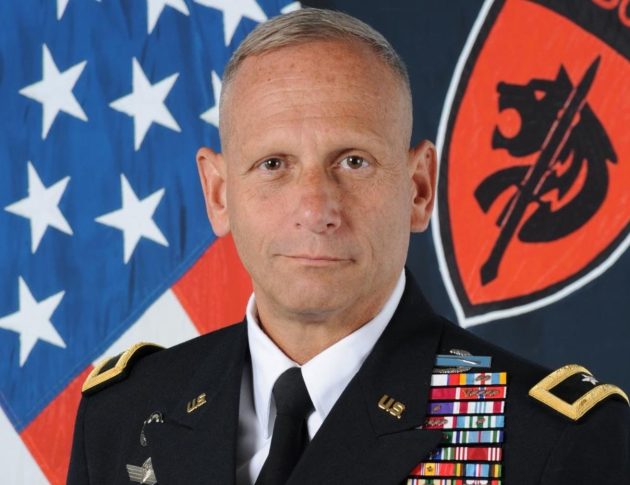
Donald C. Bolduc
—
** Editor’s Note: Thinking about subscribing to SOFREP? You can support Veteran Journalism & do it now for only $1 for your first year. Pull the trigger on this amazing offer HERE. – GDM










COMMENTS