The ongoing war in Ukraine has drawn significant international attention and debate over the best strategies to resolve the conflict. Recently, discussions surrounding President Donald Trump’s suggestions for resolving the war have raised substantial concerns. During a meeting with Ukrainian President Volodymyr Zelenskyy, Trump proposed a controversial idea of “cutting up” Ukraine’s Donbas region to grant most of it to Russia. This proposition not only sparks questions about the viability of such compromises but also highlights alarming implications for both regional and global security.
Context of the Meeting
The meeting between Trump and Zelenskyy occurred against the backdrop of a protracted conflict that began in 2014 when Russia annexed Crimea, followed by its support for separatist movements in Donbas. As Ukraine continues to resist Russian aggression, any dialogue regarding peace must take into account the immense sacrifices made by the Ukrainian people and the fundamental principles of sovereignty and territorial integrity. Trump’s suggestion appears to gloss over these vital issues, reducing complex geopolitical concerns to mere territorial negotiations.
Implications of Compromise
Proposing to “cut up” Ukraine cannot be viewed as a genuine compromise but rather as an invitation for further aggression. History has shown that yielding to authoritarian regimes often emboldens them. By allowing Putin to retain significant control over the Donbas region, such a deal could set a precedent, signaling weakness and fostering a belief that further territorial ambitions may go unchallenged. The possibility of Russia feeling empowered to pursue similar aggressive actions against other European nations—countries that fall under its sphere of influence—cannot be overlooked. The notion that a concession to Putin could deter future hostilities is not only misguided but dangerously naive.
The Cost of Injustice
Moreover, pursuing a compromise that involves territorial concessions undermines the principles of justice and accountability. The war has resulted in significant human suffering, displacement, and loss of life. For many Ukrainians, the line drawn in history is stark: it is a struggle for their right to self-determination against a criminal invasion by a far more powerful adversary. Any agreement that fails to hold Russia accountable for its invasion will likely perpetuate a cycle of injustice in international relations. If global powers, particularly the United States, were to support negotiations that grant concessions to Russia in exchange for a fragile peace, it would undermine the moral fabric of international diplomacy. It sends a signal that operating outside established norms and inflicting suffering on others can be an acceptable path to achieving one’s goals.
The Role of the United States
The position of the United States holds significant weight in the international landscape. A firm commitment to Ukraine’s sovereignty not only demonstrates unwavering support for a nation under siege but also reinforces the principle of collective security in Europe. Rejecting any notions of appeasement, the U.S. should stand as an ally to Ukraine, providing necessary military and financial support. A strong stance against Putin’s aggression could serve as a deterrent to other authoritarian regimes, reaffirming a commitment to a rules-based order that respects the sovereignty of nations.
Conclusion
The Trump-Zelensky meeting illuminated the deep complexities surrounding the resolution of the Ukraine War. While dialogue is essential, the principles underlying any proposed solutions must prioritize justice, accountability, and the rights of nations to defend themselves against aggression. Compromises that involve concessions to aggressors not only risk legitimizing their actions but also pose a threat to collective security and peace in Europe. The road to a sustainable and just peace in Ukraine requires steadfast support for its sovereignty and a resolute stance against the indifference to tyranny. The international community must serve as a bulwark against aggression, ensuring that the sacrifices of the Ukrainian people are honored and that future generations are safeguarded from the specter of authoritarian encroachment.
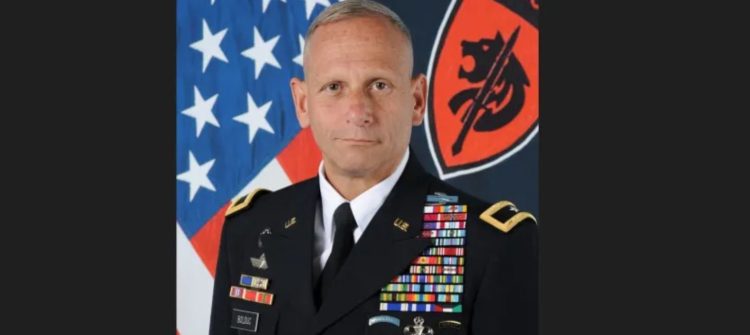
Donald C. Bolduc
Already have an account? Sign In
Two ways to continue to read this article.
Subscribe
$1.99
every 4 weeks
- Unlimited access to all articles
- Support independent journalism
- Ad-free reading experience
Subscribe Now
Recurring Monthly. Cancel Anytime.










COMMENTS