The ethos of “with your shield or on it” indeed resonates with those who have experienced service in the military, often reflecting profound lessons learned through sacrifice, camaraderie, and duty. For many who have not served, this concept may appear abstract or difficult to fully grasp. Additionally, individuals who default to the use of military force often overlook the deeper philosophical implications tied to honor and the sacrifices involved.
Understanding the Ethos: Experience Versus Abstraction
The military experience imparts a unique understanding of sacrifice and duty that transcends mere rhetoric. Service members are often thrust into situations of life and death grappling with the weight of their choices and the implications those choices have on their comrades, families, and even their nations. The idea of standing “with your shield” signifies a commitment to protect not just oneself but also fellow service members and the ideals they represent. It embodies the principle that true bravery lies in standing alongside one’s peers, rather than merely wielding power from a position of detachment or authority.
For those who have not served, the ethos might initially be perceived through a lens of media portrayals, historical accounts, or even romantic notions of heroism. Without the firsthand experience of conflict, the complexities of what it means to sacrifice—both physically and emotionally—can be lost. The valor shown in battle is only one aspect of military service; the emotional scars, the moral dilemmas faced, and the bonds formed in the crucible of adversity paint a more intricate picture. Understanding this ethos involves recognizing the subtleties of loyalty, the anguish of loss, and the weight of decisions made under pressure—an understanding that is often only fully attained through lived experience.
The Perils of Defaulting to Military Force
On the other hand, those in positions of power who default to military force often miss the ethos of sacrifice and honor altogether. The decision to use military might is often seen as a straightforward exercise of power. However, such decisions frequently overlook the profound implications for those who bear the brunt of that force—the soldiers on the ground, their families, and the civilian populations caught in the crossfire.
When military action is treated as a first resort rather than a last option, it often betrays a lack of understanding of the sacrifices demanded of those who serve. Such actions can perpetuate cycles of violence and instability, undermining the values that service members strive to uphold. For many, the ethos of “with your shield or on it” encapsulates the notion that military action should only be employed with grave consideration, and when all other avenues for conflict resolution have been exhausted. The complexity of military engagement, including its moral and ethical ramifications, must always be weighed against the cost of lives and the fabric of societies.
Bridging the Understanding Gap
To build a deeper understanding of this ethos among those who have not served, it is crucial to foster dialogue that emphasizes the narratives and experiences of veterans. Sharing stories that reflect not only the heroics of battle but also the burdens carried can illuminate the sacrifices inherent in military life. These narratives can help bridge the gap between civilians and the military community, promoting a culture of empathy and respect that transcends mere acknowledgment of service.
Moreover, policymakers and military leaders must do more than decontextualize military action; they must truly understand the ramifications of their decisions on all stakeholders involved. This involves taking into account the human cost of military engagements and recognizing that honor is demonstrated not only through might but also through restraint, empathy, and a commitment to long-term peacebuilding.
Conclusion
Ultimately, the ethos of “with your shield or on it” serves as a vital reminder of the complexities of honor, duty, and sacrifice—concepts that are deeply engrained in military service and, when applied wisely, can guide the actions and decisions of individuals and nations alike. Bridging the understanding gap between the military and civilian worlds requires a collective effort toward empathy, education, and respect. By doing so, we can ensure that the values encompassed in this ethos are not only understood but are lived out in ways that foster a just and peaceful society.
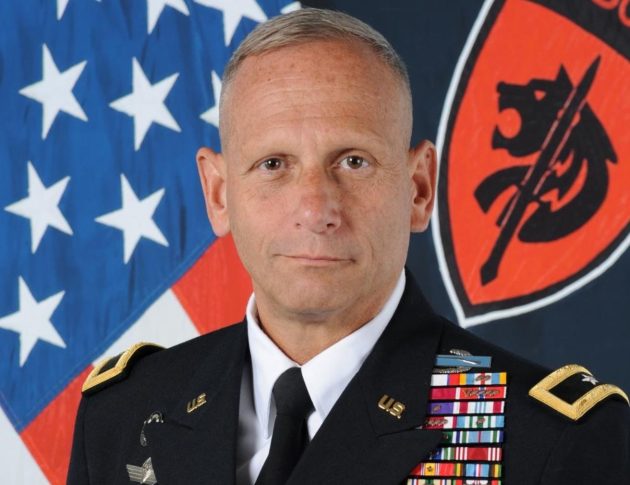
Donald C. Bolduc
Already have an account? Sign In
Two ways to continue to read this article.
Subscribe
$1.99
every 4 weeks
- Unlimited access to all articles
- Support independent journalism
- Ad-free reading experience
Subscribe Now
Recurring Monthly. Cancel Anytime.









COMMENTS