Historically, the use of the military for domestic law enforcement has been approached with caution in the United States. The founding fathers were acutely aware of the dangers posed by a standing army and its potential to infringe upon civil liberties. This concern was enshrined in the Posse Comitatus Act of 1878, which restricts the use of federal troops in domestic law enforcement, emphasizing the separation of military and civilian authorities. By organizing troops specifically for reactionary purposes within states, this initiative fundamentally deviates from the established norms governing civil-military relations.
The deployment of military forces for domestic affairs has often resulted in heightened tensions between the government and the populace, especially when perceived as overreach or intimidation of civilians. The memories of historical events, such as the use of the National Guard during the civil rights movement or the Kent State shootings, serve as reminders of the potential consequences when the military is employed to manage domestic unrest. The introduction of 500 Troop Court reaction forces could exacerbate existing divisions within society, leading to a militarization of civil issues that requires careful consideration.
Constitutional Principles and the Rule of Law
The U.S. Constitution delineates a clear distinction between military and civilian authority, with the intent of preserving democratic governance and individual liberties. The notion of establishing reaction forces that operate independently within states fundamentally challenges the principles of checks and balances vital to democratic functioning. Such an arrangement undermines the authority of state and local law enforcement, raising concerns about accountability, transparency, and oversight.
Moreover, the concept of military personnel involved in “reaction” scenarios implies a readiness for engagement that is inconsistent with the principles of necessity and proportionality that guide military intervention. The potential for military forces to intervene in civilian judicial matters risks the erosion of the rule of law and could signal a departure from established legal norms, establishing a precedent that may have far-reaching consequences for civil rights and individual freedoms.
Potential Consequences
The establishment of a 500-troop quick reaction force invites several potentially dangerous outcomes. First, it could legitimize the military’s involvement in civil disputes, setting a precarious precedent for domestic responses to local issues. A military presence in judicial matters might provoke larger societal upheaval, leading to a climate of fear among civilians and increased hostility toward government institutions.
Second, the implementation of such forces could divert resources from essential military functions, disrupting the military’s core mission of defending the nation from external threats. The utilization of troops for domestic reaction undermines the military’s primary purpose, potentially detracting from readiness and effectiveness in the face of genuine crises.
Lastly, the introduction of reaction forces could inadvertently lead to the escalation of confrontation rather than resolution. Without appropriate oversight and clear guidelines, there exists a heightened risk of violent encounters between military personnel and civilians, thereby undermining public trust and leading to greater societal division.
Conclusion
The organization of 500 troop quick reaction forces in every state represents a dangerous and inconsistent approach to the use of military power in America. The historical context of civil-military relations, the principles enshrined in the Constitution, and the potential for detrimental consequences all suggest that this initiative could threaten the stability and integrity of American democracy. In a nation committed to upholding civil liberties and the rule of law, it is imperative to approach the use of the military in a manner that reflects constitutional values and prioritizes civilian authority. Rather than deploying military forces for reactionary purposes, policymakers should seek alternative approaches that address the root causes of civil unrest without compromising the foundational principles that define the United States.
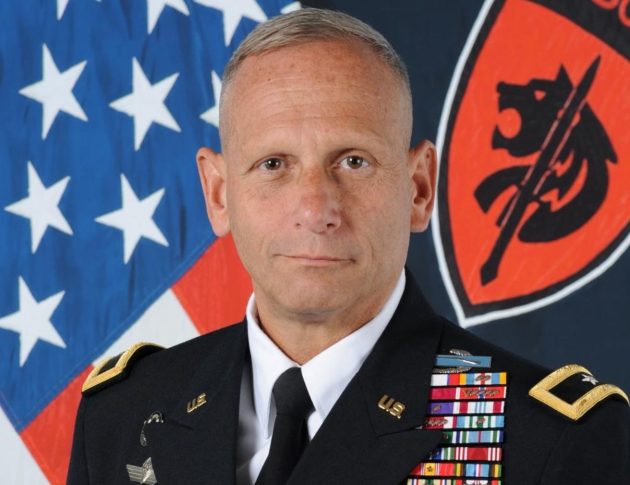
Donald C. Bolduc
Already have an account? Sign In
Two ways to continue to read this article.
Subscribe
$1.99
every 4 weeks
- Unlimited access to all articles
- Support independent journalism
- Ad-free reading experience
Subscribe Now
Recurring Monthly. Cancel Anytime.










COMMENTS