After reading “Hegseth hammers European allies, media in staunch Trump defense over Iran war” in The Hill’s morning newsletter, I concluded that the current approach taken by the Trump administration has been fundamentally ill-advised, marked by political and national security miscalculations. While it is crucial to acknowledge that Iran is indeed a troublesome actor on the global stage, this fact should not cloud our judgment regarding the broader implications of US foreign policy. The incomplete understanding of the situation, coupled with aggressive military strategies and failure to maintain international alliances, renders the Trump administration’s actions misguided.
One of the most glaring issues is the administration’s handling of relations with Iran. The enforcement of ultimatums such as “unconditional surrender” indicates a failure to engage in the complex diplomacy necessary to address such a multifaceted issue. By adopting an uncompromising stance, the administration has alienated not only Iran but also key US allies who were previously supportive of a more measured approach. This alienation fosters a sense of isolation and diminishes collaborative potential in addressing common global challenges.
Additionally, the assertion that the ongoing air campaign is yielding decisive victories is dangerously misleading. While airstrikes may produce immediate tactical outcomes, they often fail to create long-term stability or resolve the underlying tensions. The administration’s reliance on military might, without a concurrent diplomatic effort, suggests a misapprehension of the intricacies involved in foreign conflicts. The impact of military operations often has far-reaching consequences, exacerbating anti-American sentiment and potentially resulting in unintended escalation.
At home, the lack of public support for the conflict raises further concerns. Polls indicate that a majority of Americans do not back the current approach toward Iran, signaling a disconnect between the administration’s foreign policy objectives and the sentiments of the citizenry. Such discontent is antithetical to the principles espoused by the “Make America Great Again” (MAGA) movement, which emphasizes the need for America to focus on its own challenges first and prioritize the well-being of its citizens. The ongoing chaos surrounding the Iran conflict runs contrary to this foundational principle, alienating the very base the Trump administration seeks to rally.
Moreover, the handling of domestic economic impacts stemming from the conflict is exacerbating the frustration felt by average Americans. The spike in oil, gas, and related commodities has placed an unsustainable burden on households already grappling with financial strain. The administration’s attempts to deflect blame onto citizens—insisting that this is what they desire—demonstrates a disheartening disconnect from the realities facing the American public. Instead of dialogue and connection, the administration has taken an adversarial stance, further eroding public trust and confidence in its leadership.
Lastly, the behavior of key officials, including the Secretary of Defense, reflects an alarming trend of attacking the press, dismissing our allies, and issuing controversial orders, such as not providing “quarter” in military engagements. This rhetoric not only contradicts the principles of democratic accountability but also raises ethical concerns regarding the treatment of both military personnel and foreign relations. By fostering a culture of aggression and blame, the administration risks further destabilizing both national and international environments.
In conclusion, the management of the Iran conflict under the Trump administration has been characterized by significant missteps, culminating in a politically and strategically untenable situation. The failure to engage in constructive diplomacy, combined with an aggressive military approach and lack of public support, presents a disconcerting picture of US foreign policy. The blame for this trajectory lies squarely with the administration.
Moving forward, it is imperative for US leaders to reassess their strategies, engage in meaningful dialogue, and work collaboratively with allies to address the complexities of international conflicts in a more sustainable and effective manner.
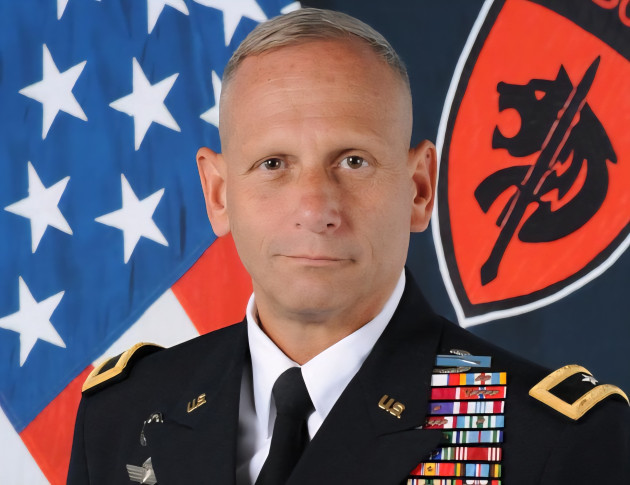
Donald C. Bolduc
Already have an account? Sign In
Two ways to continue to read this article.
Subscribe
$1.99
every 4 weeks
- Unlimited access to all articles
- Support independent journalism
- Ad-free reading experience
Subscribe Now
Recurring Monthly. Cancel Anytime.










COMMENTS