The process of recognizing service members for their contributions through awards is meant to be a positive experience, celebrating the dedication and achievements of individuals within military organizations. However, as I have personally observed while assisting about ten service members in retrieving lost awards, this process can be fraught with difficulties and frustrations. The bureaucratic complexities and systemic inefficiencies create an environment where deserving accolades become caught in a broken system, leading to disillusionment for both service members and those advocating on their behalf.
The Burden of a Broken Process
The journey to rectify lost awards is often arduous. Each case requires extensive navigation through administrative channels that can feel overwhelming. Delays, miscommunications, and misunderstandings can turn what should be an acknowledgment of hard work into a prolonged ordeal filled with frustration. The inherent value of an award is significantly diminished when the process to secure it becomes an unnecessary burden.
Many service members pour their heart and soul into their work, and having recognition lost or delayed can feel like a dismissal of their efforts. The emotional toll on those who seek to honor their peers or subordinates is also significant. It is disheartening to advocate for someone’s accomplishments only to see those efforts hindered by a convoluted process—or worse, dismissed by individuals with limited knowledge and understanding of the specific circumstances surrounding the award. This disconnect can erode trust, foster cynicism, and ultimately lead to disengagement within the ranks.
The Frustration of Discretionary Decisions
Another critical issue in the award process stems from the discretionary nature of approvals. Often, individuals who review award submissions may lack the context or perspective necessary to fully understand the merit of the recommendations presented to them. When awards rely upon subjective judgment rather than objective standards, this can lead to inconsistencies and unfair denials.
In my experience, it has been particularly disheartening to see the potential for meaningful recognition reduced to subjective assessments by those who may not have the requisite insight into a service member’s contributions. This inconsistency can create a culture of uncertainty where service members are left questioning the validity of their achievements, ultimately leading to a sense of devaluation. When the decision to grant awards falls to individuals who may not fully grasp the significance of a service member’s actions, it becomes increasingly difficult to foster a climate of trust and respect within an organization.
The Importance of Trust and Transparency
Trust is the bedrock of effective leadership and organizational success. When service members feel confident that their efforts will be recognized and that the award process is fair and transparent, it enhances morale and engagement throughout the organization. However, when trust is eroded—whether through bureaucratic obstacles, subjective assessments, or a lack of communication—the fabric of the organization becomes weakened.
Military organizations must prioritize initiatives that streamline the award process and foster transparency. This can include providing adequate training to those responsible for reviewing submissions, implementing clear criteria for award eligibility, and establishing robust communication channels to inform service members about their awards’ statuses. By actively seeking to improve these processes, organizations can create a more supportive environment that values recognition and empowers service members.
Conclusion
The experience of assisting service members in retrieving lost awards reveals glaring shortcomings in many military organizations’ recognition processes. The bureaucratic red tape, the discretionary nature of approval, and the lack of trust contribute to widespread frustrations that tarnish the reputation of an essential aspect of military life. By addressing these systemic issues and advocating for more streamlined and objective procedures, military organizations can significantly enhance the award recognition experience. Ultimately, honoring service members for their dedication and achievements is crucial in maintaining morale, cultivating pride, and fostering a culture that celebrates excellence within the ranks. As we strive to improve these processes, we enable service members to feel valued and respected, reinforcing their commitment to the mission.
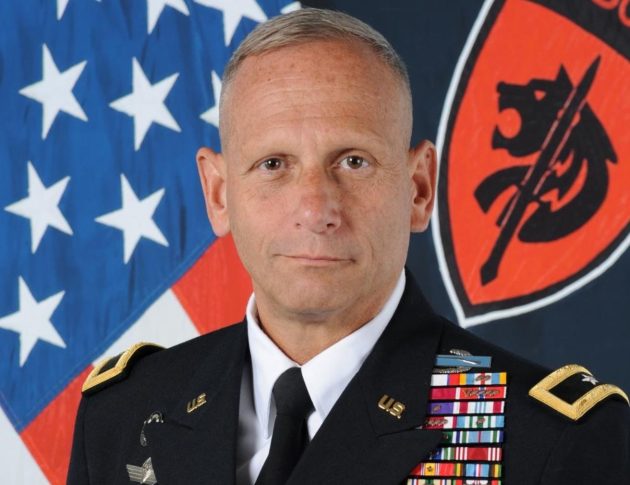
Donald C. Bolduc
—
Already have an account? Sign In
Two ways to continue to read this article.
Subscribe
$1.99
every 4 weeks
- Unlimited access to all articles
- Support independent journalism
- Ad-free reading experience
Subscribe Now
Recurring Monthly. Cancel Anytime.
The process of recognizing service members for their contributions through awards is meant to be a positive experience, celebrating the dedication and achievements of individuals within military organizations. However, as I have personally observed while assisting about ten service members in retrieving lost awards, this process can be fraught with difficulties and frustrations. The bureaucratic complexities and systemic inefficiencies create an environment where deserving accolades become caught in a broken system, leading to disillusionment for both service members and those advocating on their behalf.
The Burden of a Broken Process
The journey to rectify lost awards is often arduous. Each case requires extensive navigation through administrative channels that can feel overwhelming. Delays, miscommunications, and misunderstandings can turn what should be an acknowledgment of hard work into a prolonged ordeal filled with frustration. The inherent value of an award is significantly diminished when the process to secure it becomes an unnecessary burden.
Many service members pour their heart and soul into their work, and having recognition lost or delayed can feel like a dismissal of their efforts. The emotional toll on those who seek to honor their peers or subordinates is also significant. It is disheartening to advocate for someone’s accomplishments only to see those efforts hindered by a convoluted process—or worse, dismissed by individuals with limited knowledge and understanding of the specific circumstances surrounding the award. This disconnect can erode trust, foster cynicism, and ultimately lead to disengagement within the ranks.
The Frustration of Discretionary Decisions
Another critical issue in the award process stems from the discretionary nature of approvals. Often, individuals who review award submissions may lack the context or perspective necessary to fully understand the merit of the recommendations presented to them. When awards rely upon subjective judgment rather than objective standards, this can lead to inconsistencies and unfair denials.
In my experience, it has been particularly disheartening to see the potential for meaningful recognition reduced to subjective assessments by those who may not have the requisite insight into a service member’s contributions. This inconsistency can create a culture of uncertainty where service members are left questioning the validity of their achievements, ultimately leading to a sense of devaluation. When the decision to grant awards falls to individuals who may not fully grasp the significance of a service member’s actions, it becomes increasingly difficult to foster a climate of trust and respect within an organization.
The Importance of Trust and Transparency
Trust is the bedrock of effective leadership and organizational success. When service members feel confident that their efforts will be recognized and that the award process is fair and transparent, it enhances morale and engagement throughout the organization. However, when trust is eroded—whether through bureaucratic obstacles, subjective assessments, or a lack of communication—the fabric of the organization becomes weakened.
Military organizations must prioritize initiatives that streamline the award process and foster transparency. This can include providing adequate training to those responsible for reviewing submissions, implementing clear criteria for award eligibility, and establishing robust communication channels to inform service members about their awards’ statuses. By actively seeking to improve these processes, organizations can create a more supportive environment that values recognition and empowers service members.
Conclusion
The experience of assisting service members in retrieving lost awards reveals glaring shortcomings in many military organizations’ recognition processes. The bureaucratic red tape, the discretionary nature of approval, and the lack of trust contribute to widespread frustrations that tarnish the reputation of an essential aspect of military life. By addressing these systemic issues and advocating for more streamlined and objective procedures, military organizations can significantly enhance the award recognition experience. Ultimately, honoring service members for their dedication and achievements is crucial in maintaining morale, cultivating pride, and fostering a culture that celebrates excellence within the ranks. As we strive to improve these processes, we enable service members to feel valued and respected, reinforcing their commitment to the mission.
Donald C. Bolduc
—
** Editor’s Note: Thinking about subscribing to SOFREP? You can support Veteran Journalism & do it now for only $1 for your first year. Pull the trigger on this amazing offer HERE. – GDM









COMMENTS