The psychological ramifications experienced by service members ordered to execute controversial military actions, such as the bombings of a vessel, extend far beyond the immediate consequences of the operation. These ramifications can lead to profound second and third order effects that influence not only the mental health and morale of individual service members but also the overall confidence and trust in senior military leadership. Understanding these impacts is essential for addressing the long-term implications of military decisions on personnel and organizational cohesion.
Immediate Psychological Effects on Service Members
Service members involved in combat operations face intense psychological stress, which can manifest in various forms, including post-traumatic stress (PTS), anxiety, and depression. The act of carrying out orders to bomb a target—especially one that may involve civilian casualties—can lead to moral injury, a condition wherein individuals grapple with guilt, shame, and the profound emotional weight of having participated in actions that conflict with their personal ethics and training.
When service members are ordered to execute bombings, they may experience cognitive dissonance; their training emphasizes the need to protect life and adhere to rules of engagement that prioritize minimizing civilian harm. In scenarios where these principles are compromised, individuals may question their roles and the morality of their actions, leading to a decline in psychological well-being. The initial trauma of executing such orders can plant seeds of doubt and resentment toward the military establishment and leadership that issued those directives.
Second Order Effects: Erosion of Morale and Trust
The psychological impact on service members can lead to significant second-order effects, particularly an erosion of morale within the ranks. When individuals feel that they are being asked to engage in unlawful or unethical behavior, their trust in leadership diminishes. A breach of trust can create an environment where service members feel isolated, unsupported, and less willing to communicate openly about their concerns or experiences. This disconnection can jeopardize unit cohesion and effectiveness, as trust is a foundational element in military operations.
Additionally, as service members share their experiences and concerns with peers, a culture of skepticism about leadership may develop. Rather than fostering a sense of camaraderie, the fear and anxiety stemming from these experiences can lead to divisions within the ranks. Such disillusionment can ultimately contribute to higher turnover rates, with increased numbers of service members choosing to leave the military rather than risk their mental and emotional well-being.
Third Order Effects: Implications for Leadership Accountability
The ramifications of military orders extend to the senior leadership responsible for the directives as well. When trust in military leadership wanes due to perceived moral failings or lack of accountability, it can lead to the erosion of confidence among service members in the broader military institution. A culture that lacks accountability can become a breeding ground for misinformation, decreased retention, and diminished engagement in military objectives.
As service members witness the impacts of controversial decisions on their peers, they may lose faith in the system that governs their conduct and the ethical standards that guide military operations. This loss of confidence can manifest itself in a reluctance to support future missions or follow directives, creating challenges for command stability. Furthermore, as morale in the ranks declines, leaders may find it more difficult to motivate soldiers and foster a culture of excellence, which undermines the operational effectiveness of the military.
Addressing Psychological Ramifications
To mitigate the psychological ramifications of controversial military actions, it is vital for military leadership to prioritize mental health resources and open channels for dialogue. Acknowledging the psychological impact of war and creating a supportive environment where service members can process their experiences without fear of retribution is essential for rebuilding trust. Such initiatives can include:
Comprehensive Mental Health Services
Expanding access to mental health care resources tailored to address trauma related to controversial operations.
– Leadership Training: Educating senior leaders about the psychological needs of their personnel and fostering an empathetic approach that prioritizes morale and ethical decision-making.
Already have an account? Sign In
Two ways to continue to read this article.
Subscribe
$1.99
every 4 weeks
- Unlimited access to all articles
- Support independent journalism
- Ad-free reading experience
Subscribe Now
Recurring Monthly. Cancel Anytime.
– Promoting Transparency: Ensuring that service members understand the reasoning behind orders, including the legal and ethical considerations, can help rebuild trust and confidence in leadership.
Conclusion
The psychological ramifications experienced by service members ordered to execute military bombings have far-reaching implications, not only affecting individual mental health but also eroding the trust and confidence in senior military leadership. Addressing these concerns is critical for maintaining unit cohesion, morale, and overall operational effectiveness within the armed forces. By recognizing the importance of psychological well-being and implementing robust support systems, military leaders can foster a culture of accountability, resilience, and trust, ultimately enhancing the effectiveness and integrity of military operations.
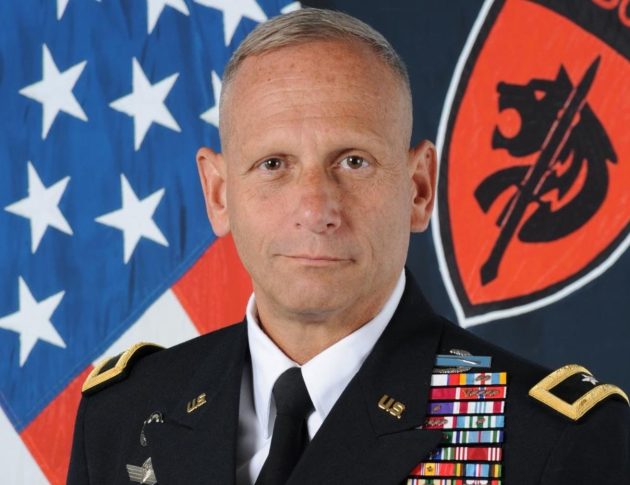
Donald C. Bolduc
—
** Editor’s Note: Thinking about subscribing to SOFREP? You can support Veteran Journalism & do it now for only $1 for your first year. Pull the trigger on this amazing offer HERE. – GDM









COMMENTS