The Trump administration’s approach to Venezuela has raised significant concerns, characterized by its disruptive and dangerous policies aimed at effecting regime change. These strategies not only jeopardize the stability and security of Venezuela but also hold the potential for far-reaching second and third-order effects that could negatively impact the economy and political landscape of the entire Latin American region. The idea that the United States should pursue another regime change, especially through the lens of the drug trade or military intervention, warrants serious reconsideration, as such actions are fraught with challenges that could exacerbate, rather than resolve, existing tensions (
https://apple.news/AV05y3Gg4TcC91T6rK-eV8g).
The push for regime change in Venezuela is rooted in a complex and multifaceted crisis that encompasses political, economic, and humanitarian dimensions. The Venezuelan government’s struggles have led to widespread poverty, food shortages, and mass migration, creating a dire humanitarian situation that demands careful and nuanced international engagement rather than aggressive intervention. The U.S. policies aimed at displacing the Maduro regime, however, have often overlooked the transformative impact these strategies can have on the region’s stability, making it essential to understand the cascading consequences of such actions.
The use of the drug trade as a pretext for regime change is particularly troubling.
Venezuela has long been a significant player in the global drug trade, yet instrumentally leveraging the drug issue as a means of political intervention risks simplifying a highly complex problem. Engaging in aggressive anti-drug operations or portraying the Maduro government solely as a drug trafficking entity fails to account for the social, economic, and political factors that fuel drug-related problems in the country. In doing so, it reduces the intricate web of issues at play into a binary framework of good versus evil, which can create more problems than it solves.
Additionally, historically, U.S. efforts at regime change have often resulted in unintended consequences that destabilize not just the target nation but the broader region as well. The aftermath of U.S. interventions in places like Iraq and Libya serves as a cautionary tale, illustrating how quickly a power vacuum can lead to chaos, insurgency, and regional insecurity. Should the U.S. adopt a similar approach in Venezuela, it risks further destabilizing an already fraught situation, potentially leading to increased violence, civil unrest, and the exacerbation of existing humanitarian crises. Neighboring countries may also find themselves dealing with increased migration flows, economic strain, and security challenges as a direct result of destabilization efforts.
Moreover, the notion that regime change via targeted interventions would ultimately serve U.S. interests is misguided. Instead of promoting democracy and stability, aggressive foreign interventions can breed resentment and fuel anti-U.S. sentiment, making regional partnerships more challenging. Countries in
Latin America are often wary of U.S. intentions, and a perceived interest in regime change can be seen as an affront to their sovereignty, leading to strained diplomatic relations.
In order to pursue a genuinely beneficial approach towards
Venezuela, it is crucial for the United States to shift its focus toward cooperative diplomacy and multilateral engagement. Rather than relying on the tactics of regime change, the U.S. should foster support for dialogue and negotiations among Venezuelan stakeholders, promoting solutions that prioritize the needs and voices of the Venezuelan people. In collaboration with regional partners and international organizations, the U.S. can help facilitate humanitarian aid, economic assistance, and frameworks for sustainable political solutions, all of which are essential for restoring stability in the region.
In conclusion, the
Trump administration’s disruptive policies towards Venezuela raise significant concerns about their effectiveness and potential ramifications. Pursuing regime change, particularly through the drug trade or military intervention, is unlikely to yield the desired results and poses serious risks to regional stability, security, and economic well-being. A more prudent approach that emphasizes dialogue, cooperation, and respect for Venezuelan sovereignty would be far more beneficial for both the United States and the countries of Latin America, fostering an environment where long-term solutions can flourish without the specter of interventionist tactics. It is time for a reevaluation of engagement strategies that embrace diplomatic avenues, ensuring that the focus remains on resolving the crisis with consideration for the complexities and realities on the ground.
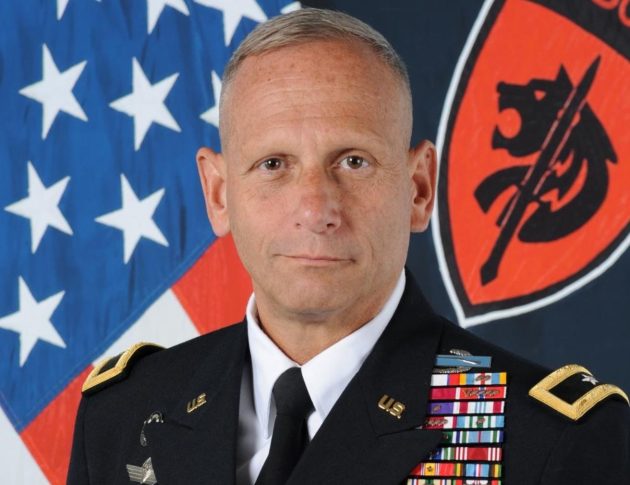
Donald C. Bolduc










COMMENTS