The relationship between military leaders and elected officials is a cornerstone of modern political-military discourse. The recent directive from the Secretary of Defense prohibiting military commanders from communicating directly with members of Congress represents a regression in this vital dialogue. This move, which disregards a long-standing practice and undermines the foundational principles of transparency and collaboration, can be seen as an amateur misstep that further complicates an already complex relationship.
Historically, communication between military commanders and lawmakers has been established to facilitate an understanding of military needs and challenges. This communication is facilitated by legislative affairs staff to ensure appropriate communication through the chain of command. Such dialogue is crucial in informing Congress on the operational realities faced by armed forces, which in turn influences legislative support for military operations and funding. The prohibition of these communications is not merely an administrative adjustment; it represents a profound misunderstanding of how vital this relationship is to the effective functioning of military and civilian frameworks.
This directive also reflects a broader trend of distrust in military leadership. Leaders who impose strict controls on communication with subordinates often reveal insecurities about their authority and decision-making processes. The military operates on a foundation of trust and respect. When senior leaders attempt to restrict communication channels, it sends a message that they do not fully trust their commanders to represent the military’s interests honestly and competently. This lack of confidence erodes the essential bonds that unite military personnel and can lead to a culture of silence and fear, where commanders may feel compelled to withhold critical information or insights that could benefit lawmakers and, ultimately, policy outcomes.
The implications are far-reaching. A stifling of communication can diminish the levels of trust and loyalty that personnel within the military have for their leaders. When commanders are denied the opportunity to engage openly with lawmakers, they are deprived of a platform to advocate for their troops and articulate the challenges faced on the ground. This disconnect can lead to a misinformed Congress, out of touch with the realities of military operations, which could subsequently result in ill-informed decisions that do not adequately support national defense.
Moreover, the directive is indicative of a leadership style that may prioritize control over collaboration. While it is essential that military leaders maintain operational security and discipline, it is equally crucial that they foster an environment where open and honest communication is encouraged. Open lines of communication can empower commanders and ensure that there is a fluent exchange of information that can enhance legislative processes. Effective military leadership should cultivate an atmosphere of transparency—not one that seeks to conceal or control information.
In times of complex global challenges, the need for clear and direct communication between military leaders and Congress is more critical than ever. As geopolitical tensions rise and public scrutiny of military actions intensifies, building and maintaining relationships based on trust and transparency is essential. Politicians rely on military insights to inform their decisions; without this critical exchange, the potential for misunderstanding and misalignment grows, jeopardizing both military effectiveness and national security.
In conclusion, the recent guidance from the Secretary of Defense prohibiting military commanders from communicating with Congress stands as a misguided move that threatens to undermine the very principles of trust and collaboration upon which effective military operations depend. It is imperative that leaders within the military reevaluate their approach to communication, recognizing that informed collaboration with lawmakers is not only beneficial—it is essential for upholding the integrity and effectiveness of the military and its overarching mission in protecting the nation. To censor communication is to invite a culture of mistrust and inefficiency, a path that risks the very security we seek to uphold.
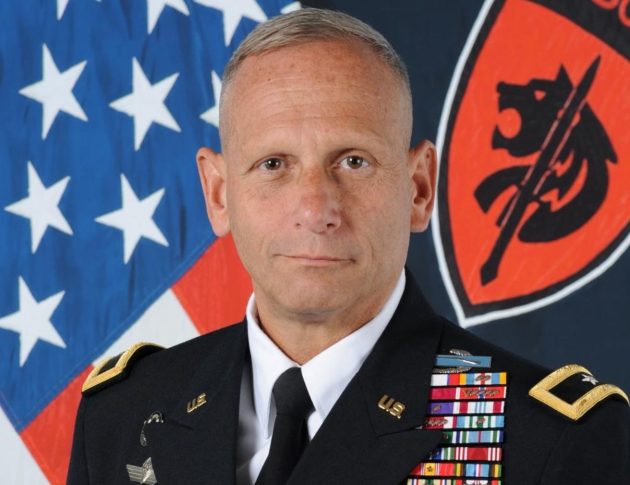
Donald C. Bolduc
Already have an account? Sign In
Two ways to continue to read this article.
Subscribe
$1.99
every 4 weeks
- Unlimited access to all articles
- Support independent journalism
- Ad-free reading experience
Subscribe Now
Recurring Monthly. Cancel Anytime.










COMMENTS