

– Undermining Democracy: Questioning the integrity of elections or threatening constitutional limits destabilizes the foundational principles of American governance.
– Irrationality/Anger: Exhibiting uncontrolled rage or paranoia detracts from the cool rationality expected of a leader.
These behaviors are not outlined in the Constitution but rather emerge from the long-standing customs and expectations set by the public and political culture.
Recent Contextual Concerns (2025–2026)
The recent actions and statements made by President Trump have raised significant alarms about the nature of presidential behavior and its implications:
– Racist Videos/Content: The backlash following Trump’s decision to share a video depicting the Obamas as apes in 2026 sparked outrage across the political spectrum. The NAACP labeled the content “blatantly racist, disgusting, and utterly despicable,” highlighting the dangers of legitimizing racial insensitivity from the highest office.
– “Discombobulated” Weapon Claim: Trump’s reference to a weapon labeled the “Discombobulator” in January 2026 raised eyebrows among military officials and analysts, who questioned the validity and purpose of such terminology. This incident illustrated a worrying trend of potentially disclosing sensitive information without proper verification, undermining national security.
– Insulting Journalists: Trump’s history of attacking journalists, particularly women and journalists of color, challenges the respect traditionally afforded to the press—the “Fourth Estate.” While supporters may view these attacks as necessary pushback against a perceived biased media, the overall impact on democratic norms is detrimental.
– Insulting Veterans: Repeated disparagements toward military members and veterans, including derogatory remarks about figures like John McCain, have spurred anger and condemnation from veterans’ organizations. Despite Trump’s denials, such statements tarnish the relationship between the presidency and those who serve.
Perspectives on Proper Presidential Behavior
Critics of Trump‘s behavior characterize these actions as a disgrace and a dangerous departure from the expected dignity and unity of the Commander-in-Chief. They argue that such conduct compromises both the nation’s moral standing and the cohesion necessary for democratic governance.
Supporters, on the other hand, often perceive this behavior as an aggressive style of communication that disrupts a corrupt establishment. They view Trump’s approach as a direct engagement with the public—a method seen as both effective and necessary in the face of a perceived adversarial media landscape.
Conclusion
Ultimately, the actions and demeanor of a president shape not only their legacy but also the nation’s ethos. While the current political climate has redefined some expectations of behavior, it remains imperative to uphold the principles of dignity, respect, and unity that are intrinsic to the presidential role. The challenges faced during the Trump administration reveal a complex dynamic where aggressive political behavior may resonate with certain segments of the population but simultaneously jeopardizes the foundational standards of American democracy. A restoration of those norms is critical for the integrity and security of the nation and its leadership.
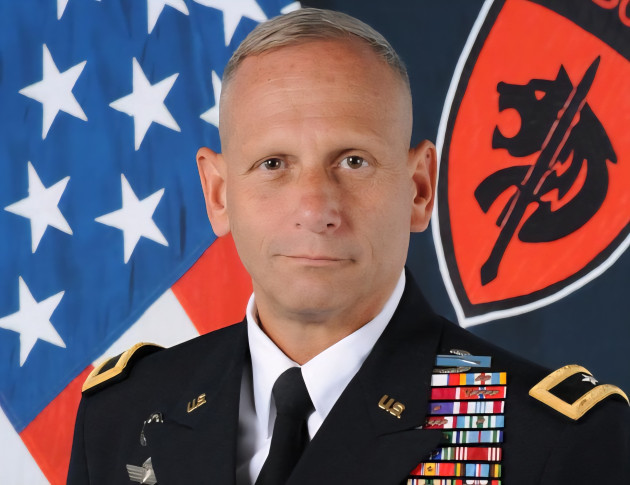
Donald C. Bolduc








COMMENTS