In discussions surrounding military conduct and the responsibilities of service members, it is vital to recognize the profound implications of the statements made by figures like Karoline Leavitt (Fox News Interview: You Can’t Have a Soldier ‘Questioning Whether That Order Is Lawful’) when highlighting the nature of obedience within the ranks. Her assertion that soldiers should not question the legality of orders points to a complex dynamic that has significant ramifications for military ethics and accountability. While the chain of command necessitates a degree of obedience, the moral and ethical responsibilities of individual service members require a nuanced examination.
At the heart of military service is the expectation that orders will be lawful, moral, and just. Military personnel are trained to follow commands promptly and efficiently; however, there exists a critical obligation—both historically and ethically—for soldiers to scrutinize the legality and morality of those orders, particularly in instances where they may contravene established laws or ethical standards. It is within this framework of responsibility that leaders play an essential role. When leaders fail to uphold their duties to provide lawful and ethical directives, the onus falls on individual service members to ensure accountability and integrity for the actions taken under those commands.
Historically, there have been instances where military leadership has made decisions that not only compromised the safety of service members but also violated ethical norms and legal statutes. The Nuremberg Trials serve as a stark reminder that the defense of following orders does not absolve individuals of moral responsibility when such orders lead to heinous acts. Soldiers must understand that a lawful order may not inherently be a just order. The imperative to question and analyze orders—both for their legality and moral implications—is essential in avoiding the pitfalls of blind obedience.
The importance of having experienced and principled leaders in positions of authority cannot be overstated. When individuals lacking a deep understanding of military culture or ethical standards ascend to influential roles, as has been suggested in the context of the Trump administration, the potential for misjudgment increases. Such a scenario can create an environment where decisions are made without proper consideration of their consequences, leading to misguided policies and actions.
Furthermore, the involvement of the military in civilian domains—such as law enforcement or domestic operations—raises significant concerns. The utilization of military forces in urban settings or in actions like bombing drug boats presents a troubling intersection of military and civilian authority, potentially undermining the role of law enforcement and civilian governance. Such policies can blur the lines between military and civilian functions, raising questions about the appropriateness of military engagement in domestic affairs.
In conclusion, the dialogue surrounding military orders and the responsibilities of service members is crucial to understanding the broader implications of military ethics and accountability. The assertion that soldiers should not question orders highlights a potential danger in fostering an environment of uncritical obedience. Ethical leadership and individual accountability are essential to ensuring that the principles of justice, legality, and morality guide military actions. As society grapples with complex issues surrounding military engagement, it is imperative that all personnel—leaders and soldiers alike—remain committed to upholding the highest standards of conduct, both on and off the battlefield. Only then can we ensure that our military serves as a force for good, grounded in the principles that safeguard our democracy and protect the rights of all individuals.
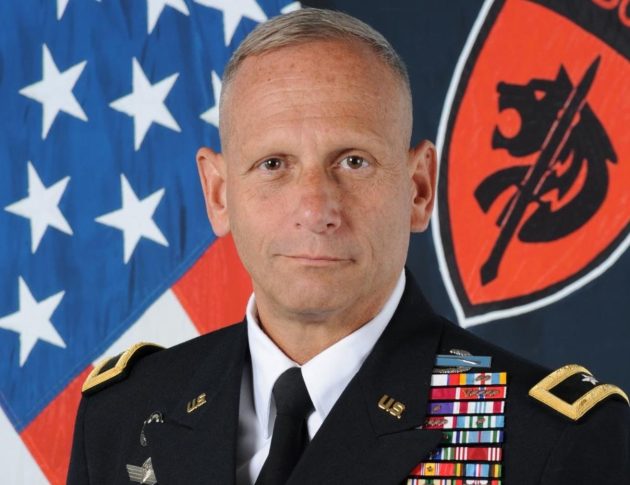
Donald C. Bolduc
Already have an account? Sign In
Two ways to continue to read this article.
Subscribe
$1.99
every 4 weeks
- Unlimited access to all articles
- Support independent journalism
- Ad-free reading experience
Subscribe Now
Recurring Monthly. Cancel Anytime.










COMMENTS