The removal of a head of state from a sovereign nation carries profound implications, not only for the nation itself but also for regional stability and the international community. The act of forcibly displacing a leader raises a multitude of ethical, strategic, and diplomatic questions, particularly when it is conducted without a clear mandate or justified rationale. This article explores the cascading effects of such actions, particularly focusing on military intervention and congressional approval, and emphasizes the necessity of discretion and diplomatic engagement in international relations.
Domestic and Regional Consequences
When a head of state is removed, the immediate consequence is often the destabilization of governance within that nation. The sudden vacuum of power can lead to chaos, territorial disputes, and the rise of extremist factions that exploit this instability. For example, the removal of Libyan leader Muammar Gaddafi in 2011 led to a power struggle that plunged the country into civil warfare and chaos, and it paved the way for increased terrorist activity. The ramifications extend to neighboring countries that may experience spillover effects, including refugee crises, economic hardship, and security threats posed by proliferating militant groups.
Moreover, such actions can shift the balance of power within a region. The ousting of a head of state might embolden other factions or neighboring countries to either pursue their own agendas—whether those are interventions or empowerment of dissenting groups—ultimately leading to a regional arms race or increased hostilities. The potential for conflicts to escalate is heightened when major powers are involved, as alliances and enmities shift in response to the perceived vacuum left by the removed leader.
International Implications of Unilateral Military Action
The use of military force to remove a head of state without a congressional mandate raises fundamental questions about legality and legitimacy. The United States, as a self-proclaimed bastion of democracy, faces a critical irony when its actions resemble those of authoritarian regimes. The exercise of military force without proper legal oversight—a process designed to ensure accountability and representation—can tarnish the U.S. image and its standing in the world.
When the U.S. engages in unilateral military actions, it risks undermining its own principles by not abiding by the rules it promotes globally. Nations across the world scrutinize American interventions, and inconsistency can fuel anti-American sentiment, jeopardizing diplomatic efforts and international coalitions. Leaders contemplating their own governance may view U.S. actions as precedents, affecting their choices whether to repress dissent or seek reform.
The Vital Role of Discretion and Diplomacy
Discretion and diplomacy become paramount in managing international relations and military engagements. While possessing the authority to act unilaterally presents an appealing option during crises, it is not always the judicious one. The question for policymakers is not just whether one can act, but whether one should act. Engaging in dialogue, fostering alliances, and promoting democratic processes can yield more sustainable outcomes than military interventions fraught with uncertainties.
Employing diplomatic means fosters goodwill and trust among nations and saves lives. It allows the United States to guide its own behavior and inspire others toward democratic principles rather than dictatorial practices. The U.S. must present itself as a leader committed to collaborative international stewardship, championing human rights and the rule of law rather than a high-handed approach that evokes skepticism.
Conclusion
The implications of removing a head of state encompass a broad spectrum, affecting not only the nation in question but also its neighbors and the international community. Military action, particularly without congressional backing, raises fundamental concerns about legality, ethics, and the credibility of democratic principles. Discretion and diplomacy are essential tools in navigating these complex waters; they allow nations to exercise their authority responsibly while upholding the values they espouse. As the United States continues to assert its influence globally, it must carefully weigh the repercussions of its actions, ensuring that its leadership remains consistent with its democratic ideals and seeks to foster stability, democratic governance, and mutual respect among nations.
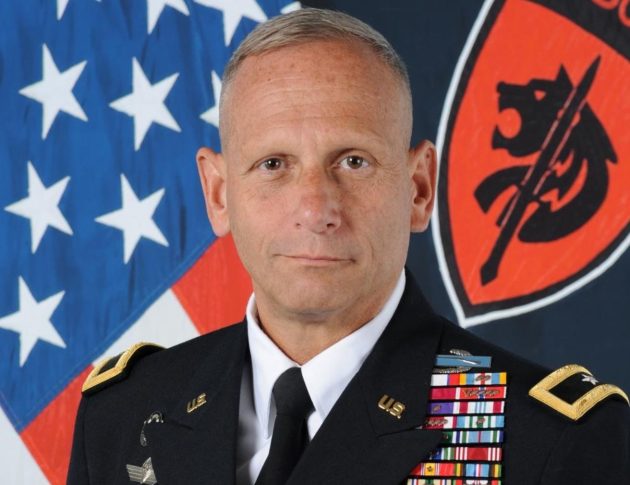
Donald C. Bolduc
Already have an account? Sign In
Two ways to continue to read this article.
Subscribe
$1.99
every 4 weeks
- Unlimited access to all articles
- Support independent journalism
- Ad-free reading experience
Subscribe Now
Recurring Monthly. Cancel Anytime.









COMMENTS