The first year of the Trump administration has sparked intense debate regarding its approach to foreign policy, particularly in its perceived default reliance on military force as the primary means of addressing international issues. This tendency raises crucial concerns about the implications of such a method, not only for the United States’ global standing but also for the moral and ethical responsibilities that accompany the use of military power. The administration’s inclination towards militarization is starkly illustrated by the symbolic renaming of the Department of Defense to the Department of War, underscoring a paradigm shift towards war-led diplomacy.
At the heart of this militaristic approach lies a leadership cadre that lacks both military experience and a nuanced understanding of the complexities involved in
combat and conflict resolution. The administration is characterized by a President, Deputy Chief of Staff, Press Secretary, Secretary of Homeland Security, and a Secretary of State devoid of military backgrounds, paired with a Secretary of Defense who has often been criticized for his glorification of warfare. This combination poses significant risks; when leaders are detached from the repercussions of military engagement, they may become prone to making impulsive and emotionally detached decisions regarding war. In the arena of foreign policy, such decisions can have catastrophic consequences (Read in The Atlantic:
https://apple.news/An1Sq0GR_Rb-setA0p48YIQ).
Congress, which holds the constitutional power to check executive authority, has shown an alarming unwillingness to challenge the administration’s military engagements. This abdication of responsibility allows for an unchecked escalation of militaristic diplomacy that undermines the democratic constructs meant to prevent such overreach. The administration’s reliance on military force is further exemplified by its use of military vessels and bombings, compounded by a troubling pattern of pardoning individuals involved in violent insurrection, such as the 1,500 who participated in the January 6 Capitol riot. These actions mirror a broader irresponsible approach that trivializes the significance of military engagement and fails to hold leaders accountable for the excessive use of force.
Amid these developments, an essential counterpoint emerges from the perspective of
combat veterans, who often articulate a shared aversion to war, anchored in their first-hand experiences. For many veterans, the harrowing realities of combat render the notion of war as a tool of policy both grotesque and misguided. The sentiments embodied in the phrase “war is hell” resonate deeply among those who have borne witness to its brutality. Combat veterans frequently attest that the consequences of war—the loss of life, the obliteration of communities, and the psychological scars left on individuals—far outweigh any perceived benefits of military action. The stark contrast between the glorification of war by those removed from its consequences and the lived reality of veterans emphasizes that war should always be regarded as a last resort.
However, a paradox exists wherein some veterans find themselves grappling with their experiences of combat. Despite the horrors of war, many miss the camaraderie, sense of purpose, and clarity of mission that accompany military life, creating a complex emotional landscape for those returning to civilian life. Yet, this “love of combat” does not equate to an endorsement of war; rather, it underscores the grave complexities inherent in military engagement and the psychological ramifications of service.
Calls for the removal of pro-war decision-makers reflect a crucial understanding that policy should be guided by individuals who possess a genuine awareness of the human and economic costs associated with military action. Historical patterns demonstrate that leaders eager for military intervention often misjudge these dimensions, propelled by a misguided notion of heroism and national pride. A more prudent foreign policy approach would involve the careful weighing of the potential benefits of military action against the destructive costs that inevitably arise.
In the final analysis, while the deterrence of aggression is sometimes necessary and justifiable, the prevailing consensus among veterans and historians is clear: the destruction wrought by
war is typically an unbearable price to pay. A thoughtful reconsideration of military-first diplomacy is essential, with a focus on negotiation, collaboration, and conflict resolution that honors both the cost of war and the need for sustainable peace. As we reflect on the trajectory of our foreign policy, a return to principles that prioritize dialogue over destruction is imperative—not only for the sake of our national integrity but for the global community at large.
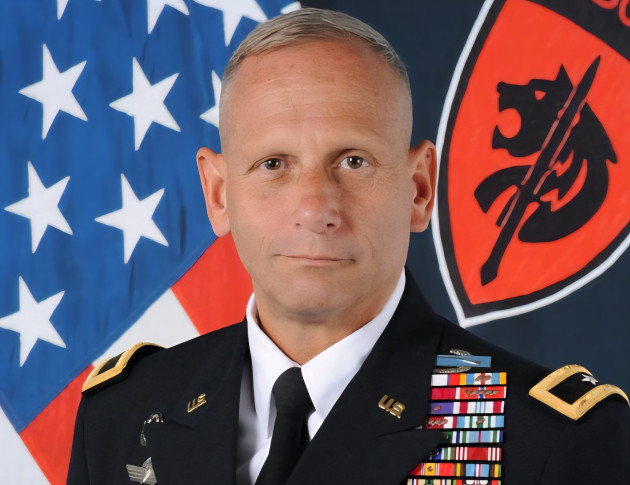
Donald C. Bolduc
Already have an account? Sign In
Two ways to continue to read this article.
Subscribe
$1.99
every 4 weeks
- Unlimited access to all articles
- Support independent journalism
- Ad-free reading experience
Subscribe Now
Recurring Monthly. Cancel Anytime.










COMMENTS