

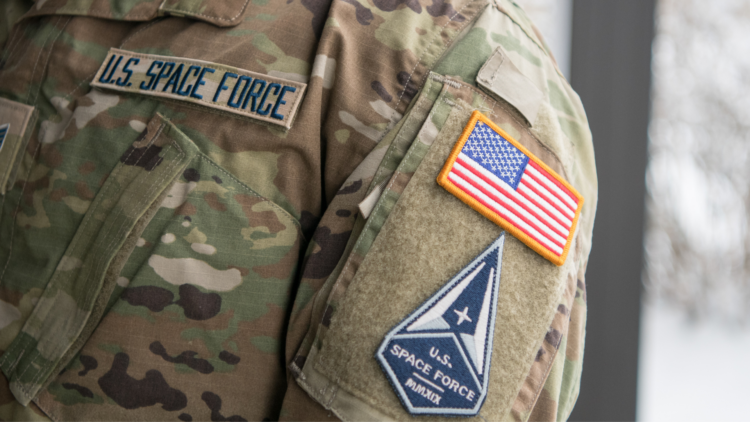
It’s the Swiss Army knife of secure networking – handling everything from user authentication to encryption and keeping an eagle eye on traffic flow at overlay edge nodes.
Think of it as the gatekeeper of the digital domain.
“These capabilities may require the creation of a secure, resilient overlay network upon a diverse set of existing underlay network,” the request for information announcement read.
Fort Know in the Digital Realm: Robust Security Measures
This gadget isn’t just smart; it’s Fort Knox smart.
We’re talking secure boot, software signature verification, memory, and process segregation – the works.
It’s built on the US military’s Zero Trust principles.
That means it’s tough enough to handle a digital apocalypse and can be reprogrammed on the fly with software updates.
Technical Goals for the Trusted Network Device
The brains behind this are targeting a throughput of 1 Gigabit per second, but they’re dreaming bigger – 100 gigabits per second.
They’re toying with virtualization and eyeing custom hardware like application-specific integrated circuits (ASICs) and field-programmable gate arrays (FPGAs) for data switching, as Military & Aerospace Electronics reports.
It’s ambitious, sure, but that’s the point.
Adaptive Network Mastery: Configuration and Control
This device isn’t just a one-trick pony.
It’s designed to juggle up to 16 traffic ports, adapting its network configuration like a chameleon.
The plan is to implement a modular open systems architecture (MOSA) for maximum flexibility and future scalability.
MOSA is more than just a buzzword — it’s the way of the future for Army aviation.
Modular Open Systems Architecture is helping @devcom_avmc adapt technologies quickly, efficiently and at a lower cost to support Army modernization efforts.
Learn how ➡️ https://t.co/PmSTsGwlbc pic.twitter.com/PkwfdVmFs0
— U.S. Army (@USArmy) January 11, 2022
Open APIs for management and control are a must, along with sticking to industry or government standards.
Calling for the Sharpest Minds: Inviting Industry Expertise and Innovation
Given the complexity of this beast, the call is out for the sharpest minds in the industry.
Responses to the request for information are due by January 31, 2024, via the DOD Safe website.
The collaboration between military minds and industry innovators is crucial.
It’s not just about meeting standards; it’s about setting them.
Conclusion: A New Era in Space Force Cybersecurity
As the US Space Force continues to secure our celestial turf, this collaboration is more than timely; it’s vital.
The RAPID for Trusted Network Device project is more than just a quest for a new gadget.
It’s about reinforcing our defenses in the digital cosmos.
The US Air Force Research Laboratory Space Vehicles Directorate is leading the charge, fostering innovation, and ensuring our defense capabilities stay as dynamic as the threats we face.
In the world of cyber warfare, this project isn’t just a step forward; it’s a giant leap.








COMMENTS