

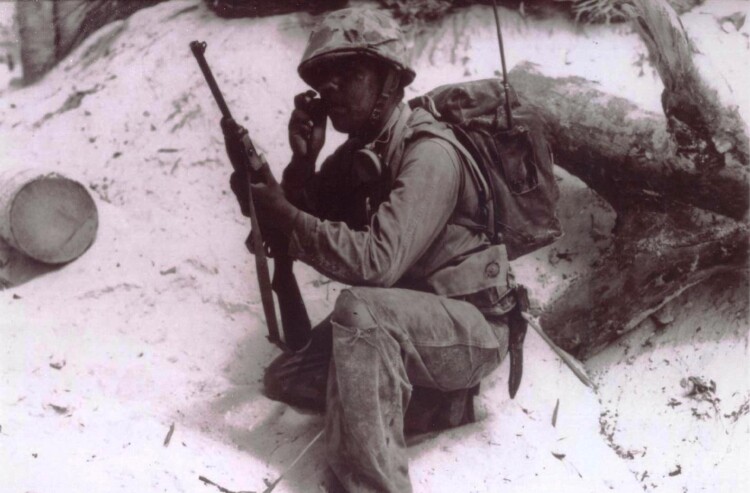
A submarine wasn’t just a submarine; it was an “iron fish” (béshłó). A tank became a “turtle” (chay-da-gah).
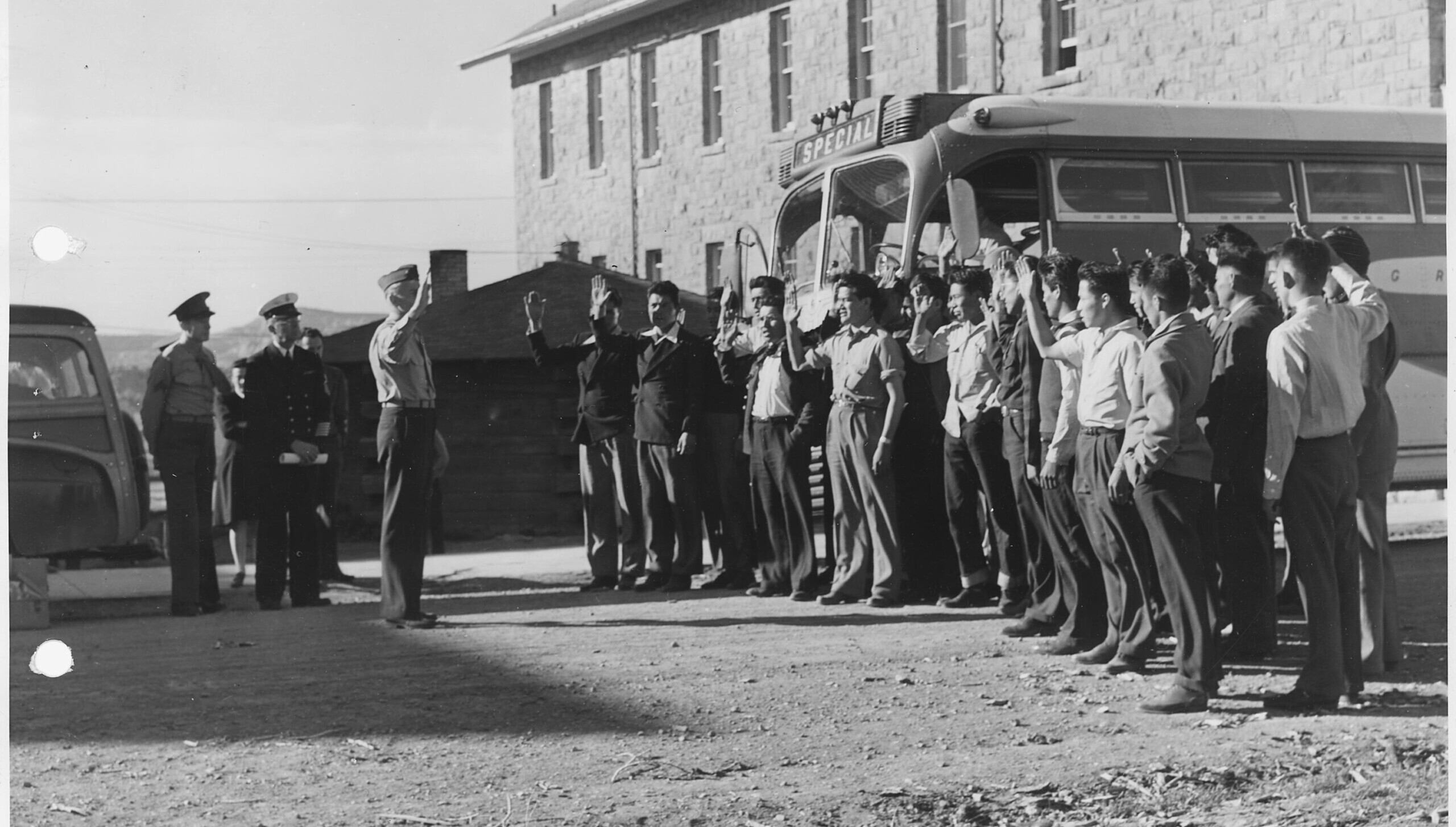
Their training was intense and conducted in secret. Family members wondered why their sons got the call. Even the other Marines didn’t know about their unique skills.
But by the time they were ready, the 29 original Navajo Code Talkers had created a code that would baffle Axis powers throughout the war.
Crafting the Unbreakable Code
The Navajo language’s complexity, tonal qualities, and lack of written form made it an ideal choice for creating an unbreakable code. But how did that work, exactly?
It was more complex than translating English into Navajo. The WWII Code Talkers were far more creative than that.
They developed a dictionary of military terms, translating them into Navajo. For instance, the word “plane” was translated to “wol-la-chee” (ant), and “bomb” became “a-ye-shi” (egg). A battleship was a “lo-tso” (whale). The translations were playful and clever, reflecting the Code Talkers’ ingenuity.
But they didn’t stop there. For added security, they mixed things up a bit more. Letters of the English alphabet corresponded with multiple Navajo words.
They could use the Navajo terms for the individual letters if they wanted to spell out a word that wasn’t in their military dictionary.
The Results
Through rigorous training and remarkable ingenuity, the Code Talkers could encode, transmit, and decode a three-line English message in just 20 seconds.
What made this all even more extraordinary was that the code was dynamic. The original 29 Code Talkers created the base but it evolved during the war.
They adapted, adjusted, and perfected it as they went along.
Key Battles and Contributions
When we think of battle heroes, we often picture soldiers with weapons in hand, charging into the fray. But what about heroes armed with nothing but their voices and their minds?
The WWII Code Talkers were just that, and their impact echoed through some of the most critical battles of the Pacific theater. Here’s a glimpse into their vital contributions:
Battle of Iwo Jima (February 19 – March 26, 1945)
On the volcanic sands of Iwo Jima, one of the war’s bloodiest battles took place. And the WWII Code Talkers played an essential part here.
Major Howard Connor famously stated,
“Were it not for the Navajos, the Marines would never have taken Iwo Jima.”
Six Navajo Code Talkers sent over 800 messages without error during this battle, keeping the lines of communication open when it mattered most.
Battle of Saipan (June 15 – July 9, 1944)
The stakes were high in the Battle of Saipan. The island was a strategic jewel, and the Code Talkers were right there in the thick of it.
Their rapid and secure communication allowed Allied forces to gain a critical foothold in the Pacific, leading to eventual victory. The commanders knew they could trust the messages relayed by the Code Talkers, a trust that translated into decisive action.
Battle of Bougainville (November 1, 1943 – August 21, 1945)
Bougainville was a protracted and intense battle, with both sides fighting tooth and nail for control. The WWII Code Talkers’ unique skills were on full display here, as they kept vital information flowing despite the chaos of combat.
They were often right on the front lines, translating messages under fire. Their courage and proficiency under such extreme conditions helped shape the strategies that would eventually lead the Allies to victory.
Legacy and Recognition
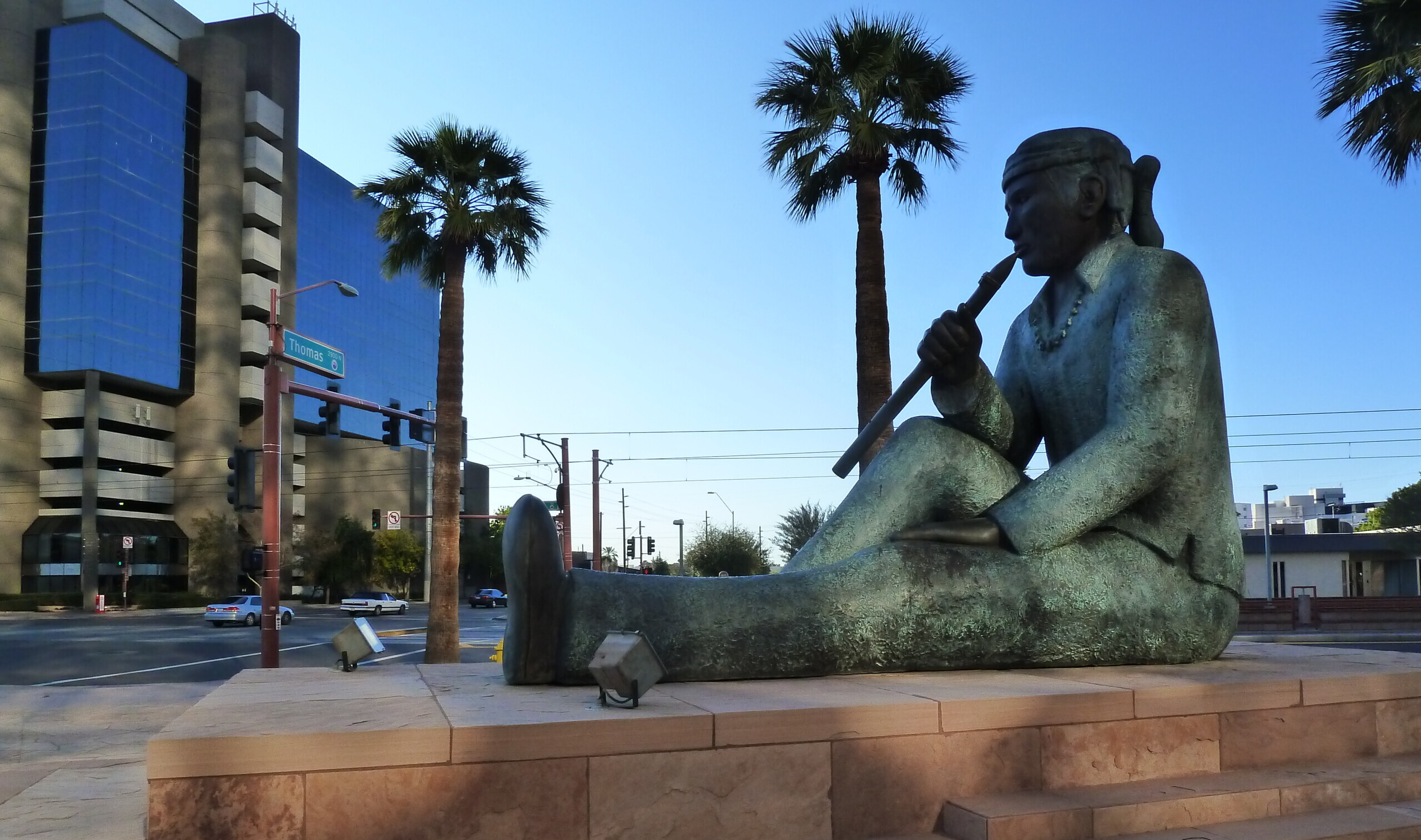
The WWII Code Talkers’ contributions remained classified until 1968. Once declassified, their story began to gain the recognition it deserved.
In 2001, President George W. Bush awarded the original 29 Navajo Code Talkers the Congressional Gold Medal.
Their legacy inspires generations and is a testament to the importance of preserving indigenous languages and culture.








COMMENTS