
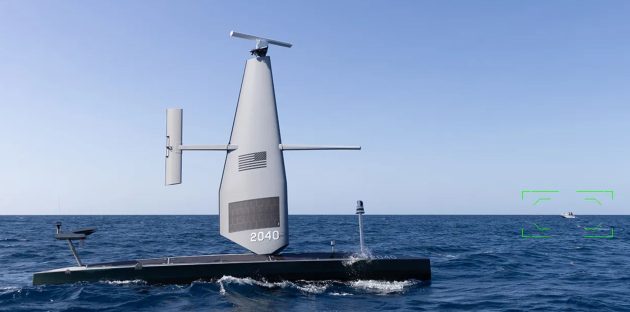
This is not a boarding team with zip ties and evidence bags. It is a kill chain.
The targeting process, while officially opaque, bears the hallmarks of the same intelligence-driven methodology refined in Iraq, Syria, and Afghanistan. Pattern-of-life analysis, persistent surveillance, rapid-strike authority, and real-time battle-damage assessment are not the tools of traditional maritime policing.
Quiet SOF Signatures
Southern Command statements describe Joint Task Force Southern Spear in deliberately broad terms. They emphasize intelligence confirmation, maritime domain awareness, and action against designated terrorist organizations. They do not specify which units identify the targets, fuse the intelligence, or remain on call when something goes wrong.
The signatures are unmistakable. Persistent surveillance over narrow sea lanes. Fast decision cycles against fleeting targets. In at least one instance, a re-engagement after an initial strike. This is the tradecraft of special operations forces and their intelligence partners, adapted from desert compounds and mountain valleys to fiberglass hulls and open water.
The result is a system that treats anonymous boats as nodes in a hostile network, eligible for destruction once they cross an invisible line on a digital map.
Why This Is Not the Old “War on Drugs”
The United States has fought narcotics trafficking at sea for decades. Coast Guard cutters chasing go-fast boats. Decks stacked with cocaine bricks. Miami Vice music blaring in the background. Crews flown north to face indictments.
Southern Spear is something else entirely.
Officials have acknowledged that they often do not know precisely who is aboard these vessels at the moment of strike. The default outcome is lethal force, not detention. Human rights organizations, regional governments, and legal scholars have described the campaign as extrajudicial and potentially unlawful under international law. Congress has attempted, and failed, to impose new limits or authorization requirements on the operation.
At the same time, the strikes sit within a broader pressure campaign against Nicolás Maduro’s regime. Sanctions on Venezuelan shipping and oil exports have tightened. U.S. forces have seized tankers carrying sanctioned crude. The administration has openly discussed enforcing a naval cordon against oil shipments linked to Caracas. In that context, the destruction of small boats along trafficking routes reads less like isolated counternarcotics actions and more like a message delivered at sea.
Special Operators in Gray Water
For those executing the mission, this is the grayest operational space imaginable. The targets are not uniformed combatants. They are well-tanned men in sandals on low-slung pangas, hauling barrels of drugs that fund criminal networks and poison cities far from the Caribbean sun.
The authorities behind the mission blend counter-drug, counter-terrorism, and national security powers into a legal twilight zone straddling traditional military and intelligence frameworks. It feels like war. It is described by some as law enforcement. It answers to both, yet fully to neither.
This is what shadow war looks like in 2025. Not guys dangling off ropes from helicopters over palaces, but analysts, operators, and aircrews feeding coordinates into a system that erases boats at the edge of a digital map.
Like a shark that never breaks the surface, the violence is mostly unseen until the water turns red.
If this operation holds, history will not remember the number of boats. It will remember whether Washington had the spine to authorize decisive force, stand behind the operators who executed it, and accept the consequences of treating narco-terror networks like enemies instead of defendants.








COMMENTS