


Surprise, Surprise: The Element of the Unexpected
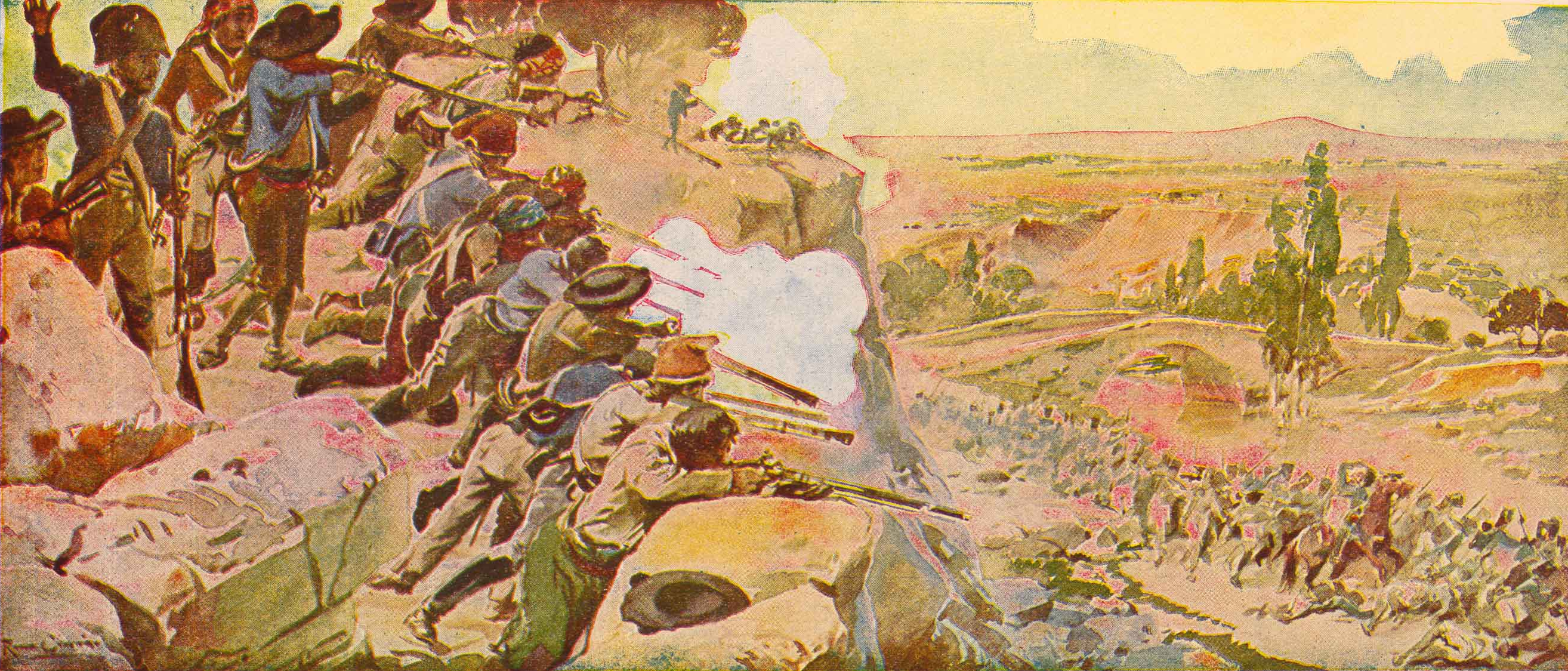
Imagine you’re part of a large, heavily armored army, marching with confidence, maybe even a bit of swagger. Suddenly, out of nowhere, a small group of fighters attacks and melts away before you can react.
That’s guerrilla warfare in action. The very essence of this tactic is unpredictability. Despite their superior numbers and equipment, these unexpected, sporadic attacks often leave larger forces off-balance.
As Sun Tzu famously said, “The supreme art of war is to subdue the enemy without fighting,” and guerrillas embody this philosophy by wreaking havoc without ever engaging in full-scale battles.
Familiar Terrain, Unfamiliar Advantage
Guerrilla warfare thrives on home-turf advantage. When fighters intimately know the landscape.
Whether it’s a dense forest, winding urban alleyways, or rocky mountains—they can use this knowledge to their advantage.
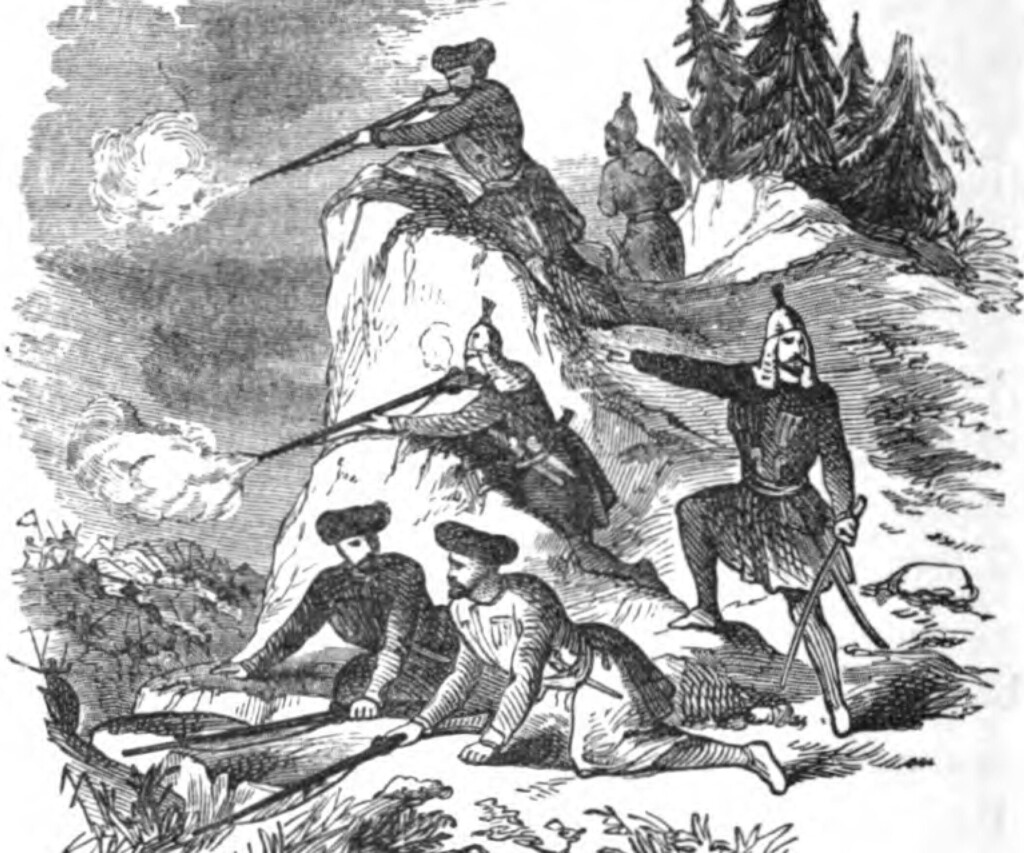
Think of it as having the ultimate GPS your enemy can’t access. Guerrillas can hit and retreat into environments that larger forces might find challenging to navigate, allowing them to vanish as quickly as they appeared.
The Power of the People
Guerrilla warfare isn’t just about fighting, though. It’s also a war of winning hearts and minds.
Guerrilla fighters are often locals who live among the civilian population, sharing their culture, language, and grievances. It can make them quite popular and gain them vital support—think food, shelter, and information—that can be the difference between survival and defeat.
Larger invading forces, on the other hand, are often seen as outsiders, making it difficult for them to win over local populations. Think Iraq, Afghanistan, Vietnam, etc.
A Long War: The Time Factor
Patience is a virtue in guerrilla warfare. These conflicts can last for years, even decades. This slow-burning approach can wear down larger forces, both physically and mentally.
After all, it’s demoralizing to realize that no matter how many guerrillas you take out, more pop up in their place. While conventional armies thrive on quick, decisive battles, they’re often ill-equipped for these drawn-out wars of attrition.
Adaptable Tactics: The Art of Improvisation
Guerrillas must be as adaptable as chameleons, changing their tactics based on the situation. That means they can’t be pinned down to a single strategy, making it harder for traditional armies to predict their actions.
It’s like trying to nail jelly to a wall. One day they might use an ambush. Next, they’ll resort to sabotage or assassination. This level of flexibility makes them an elusive and constantly moving target.
Unconventional Warfare, Unconventional Wisdom
Guerrilla warfare exemplifies that it’s not always about having the most soldiers or the biggest guns. It’s about being unpredictable, knowing your terrain, winning the hearts and minds of the people, being patient, and, above all, being adaptable.
It’s proof that in warfare, as in life, sometimes the most effective strategies come from thinking outside the box—or, in this case, outside the conventional battlefield.
Remember, it’s not just a ‘little war.’ It’s a testament to human resilience, ingenuity, and the undying will to resist against the odds.








COMMENTS