

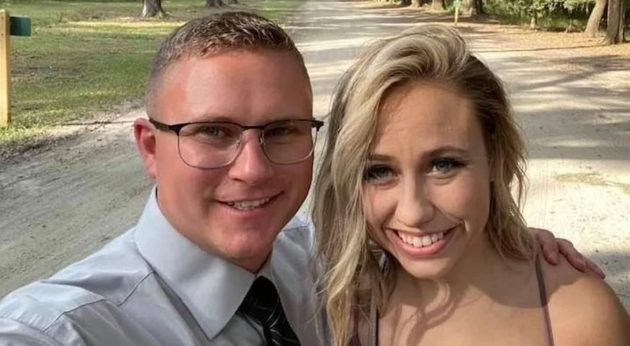
Wright-Patterson leadership expressed condolences and confirmed support options for those affected, including the Air Force’s Casualty Assistance Office, the Employee Assistance Program, and the Chaplain’s Office. These resources are standard after critical incidents that ripple through units and families.
A Hard Reality, Told Plain
The sequence is stark in its simplicity and horror. Police say a man murdered his wife, murdered an acquaintance, then staged his final act in a public parking lot so responders would immediately discover the second victim. That is not sensational framing, it is the documented sequence from official statements and local reports. Think of a fuse touching off in the dark, a bright flare that reveals damage already done before anyone can reach the “off” switch.
Neighbors and local media accounts describe the timing, locations, and employment links with unusual clarity for a case moving this fast. The known facts are based on police briefings, security video confirmation, and base releases. The unanswered questions are the ones investigators are designed to handle. Why did this happen, what warning signs existed, what interventions were possible. Those answers take time and careful investigative work.
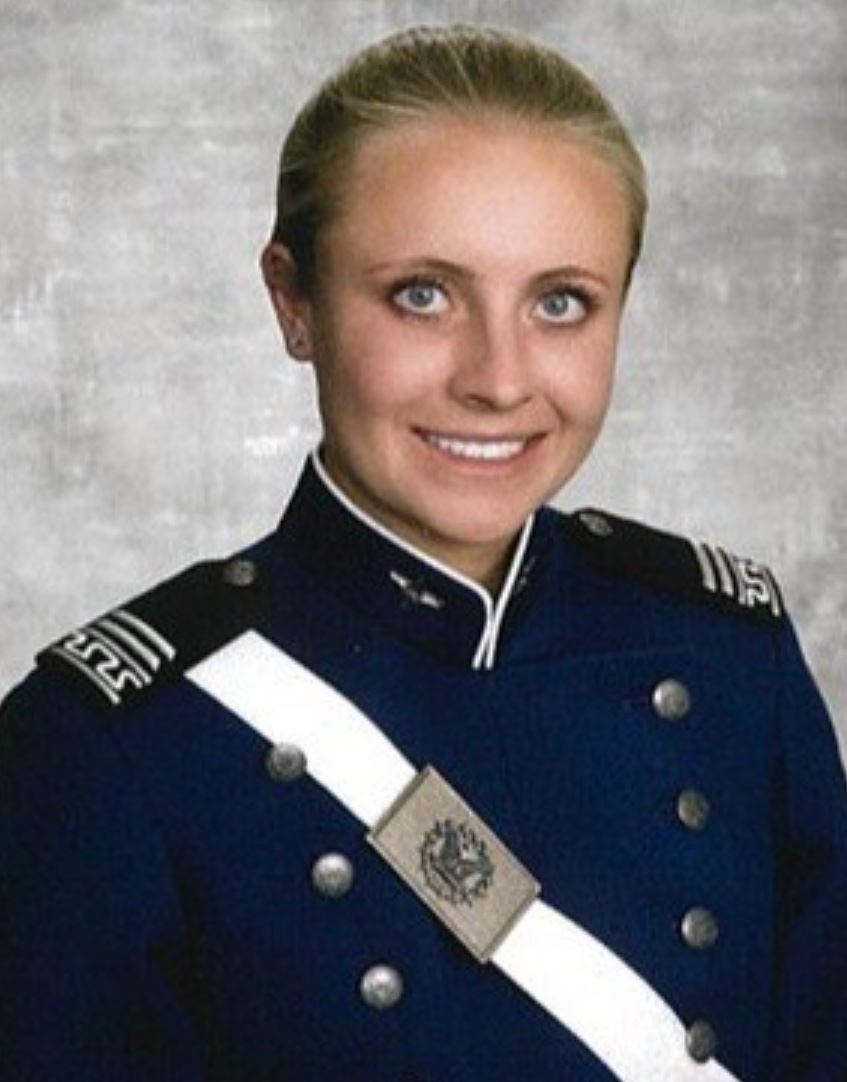
How Common Are Murder Suicides in the U.S. Military
There is no single public Defense Department data set that breaks out murder suicide as a separate, routinely published category. The Pentagon’s official products focus on suicide counts and rates, not homicide suicide pairings, which means there is no authoritative annual tally for murder suicide across the force. The Defense Suicide Prevention Office’s Annual Report on Suicide in the Military and its Quarterly Suicide Reports cover suicides among service members and, in some cases, dependents, but they do not provide a discrete line item for murder suicide events.
For context, the most recent public figures show 523 service members died by suicide in 2023 across the Active Component, Reserve, and National Guard. Those numbers help establish the scale of the broader suicide problem inside the ranks, even as they do not answer the precise murder suicide question.
Researchers and clinicians who study intimate partner violence in military and veteran populations continue to examine how relationship violence intersects with suicide risk. That body of work is growing, but it does not yield a ready annual count of murder suicides inside the services. The gap is methodological, not an academic interest, and it matters when commanders and communities look for prevention levers.
Support, Counseling, and the Work Ahead
Wright-Patterson officials said counseling and support services are available to those affected. Base members should expect commanders to push resource information and, in many units, to hold sensing sessions. That is the right immediate move while investigators handle the facts and leadership works the human side inside squadrons and offices.
The truth is that violence like this lands like shrapnel. It travels through families, coworkers, and neighborhoods, tearing flesh. The mission is not immune to the shock either.
If you are in crisis or worried about someone, call or text 988 and press 1 for the Veterans and Military Crisis Line. The line is staffed around the clock.
What We Know, What We Do Next
By Thursday, October 30, investigators had mapped the night across Sugarcreek Township, Huber Heights, and West Milton, named the victims, confirmed their ties to Wright-Patt, and preserved the scenes. The remaining work is motive and timeline refinement, which will come through forensics, digital evidence, and interviews. Until then, remember the people at the center, not only the headlines. A community is grieving three lives lost and the impact that extends far beyond a police blotter.








COMMENTS