

To be, or not to be, politically correct
AI Overview
Summary is AI-generated, newsroom-reviewed.
The article discusses the concept of political correctness, arguing that it varies by political affiliation and can stifle open communication in diverse societies like the U.S. It suggests that while political correctness aims to promote sensitivity, it may ultimately weaken social cohesion and encourage tribalism.
Key points from this article:
- The article highlights how political correctness is perceived differently by Democrats and Republicans, suggesting a divide in its interpretation.
- How political correctness creates a climate of fear among individuals, making them hesitant to express themselves for fear of offending others, particularly in diverse settings like the U.S.
- Why the author believes political correctness threatens societal resilience by discouraging healthy friction and promoting a culture of avoidance rather than open dialogue.
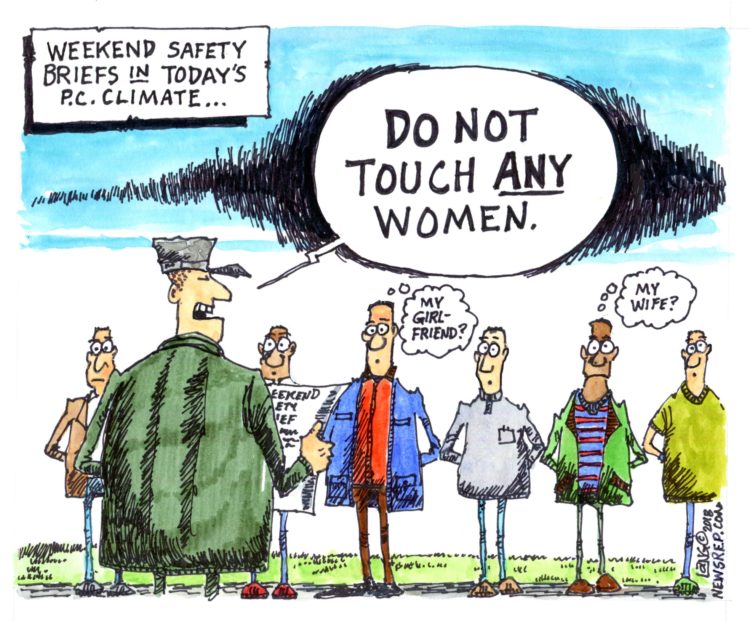
To be, or not to be, politically correct
Stavros Atlamazoglou
Speed
1x
What is political correctness? What is in that untainted phrase? To be politically correct. Does it follow, then, that the term ought to change depending on one’s political affiliation and beliefs? Does it mean something different to a Democrat than a Republican? Generally, to be politically correct means to be sensitive to others’ feelings; to […]
Advertisement
What readers are saying
Generating a quick summary of the conversation...
This summary is AI-generated. AI can make mistakes and this summary is not a replacement for reading the comments.








COMMENTS