

Revealing the Assassination Plots
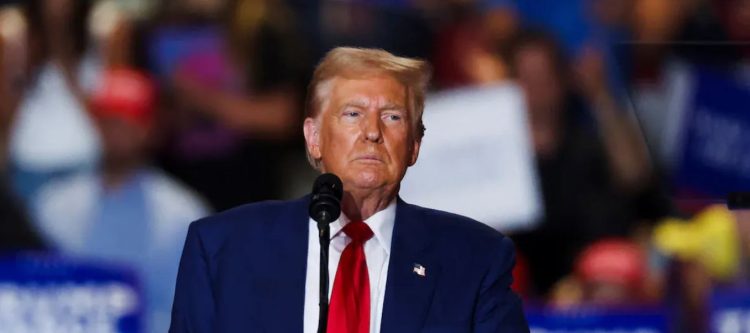
In November 2024, the U.S. Justice Department revealed multiple Iranian plots to assassinate former President Donald Trump and other high-ranking U.S. officials. These revelations surfaced just before the 2024 presidential election and have continued to shape tensions between the U.S. and Iran into 2025.
According to the DOJ, three individuals were charged in connection with an Iranian plan to kill Trump before the election. The key suspect, 51-year-old Afghan national Farhad Shakeri, was reportedly living in Iran and acting under direct orders from Iran’s Revolutionary Guard Corps (IRGC). Shakeri was allegedly instructed in September 2024 to focus solely on surveilling and planning an attack on Trump, with IRGC officials assuring him that “money’s not an issue.”
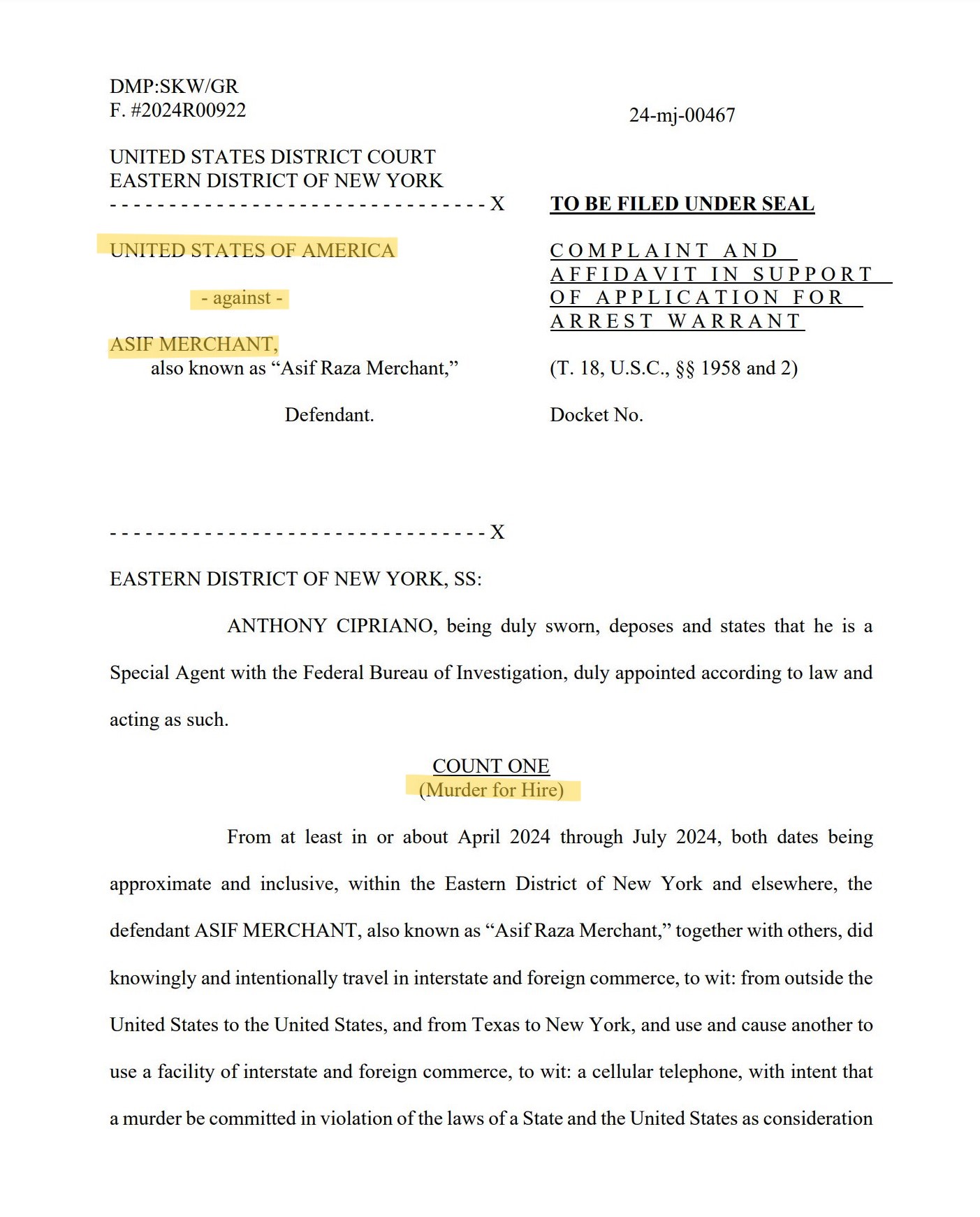
The plot against Trump was part of a larger pattern of Iranian attempts to target U.S. officials and critics of the Tehran regime. In addition to the Trump plot, Shakeri allegedly recruited two other individuals to carry out an attack on Masih Alinejad, a well-known Iranian-American journalist critical of the Iranian government. The Justice Department had also previously charged a Pakistani national linked to Iran in a murder-for-hire conspiracy targeting U.S. officials.
These revelations have had a major impact on U.S.-Iran relations. Iran has denied any allegations of wrongdoing, with Iranian President Masoud Pezeshkian telling NBC News that Iran has “never” plotted to assassinate Trump or anyone else. Tehran also dismissed Trump’s recent warning as “provocative.” Despite these denials, tensions between the U.S. and Iran remain high, fueled by numerous longstanding hostilities.
Strategic Implications of the “Obliteration” Directive
President Trump’s directive to “obliterate” Iran in the event of his assassination is a significant escalation in U.S. deterrence strategy. This approach aims to dissuade Tehran from considering such actions by highlighting the catastrophic consequences. However, this strategy carries substantial risks, including the potential for widespread conflict in the Middle East and global economic disruptions.
Iran’s Perspective and Potential Responses
Iran has repeatedly denied any involvement in assassination plots against former President Donald Trump and has dismissed his recent threats as baseless. Iranian officials argue that these allegations are part of a broader effort to escalate tensions between the U.S. and Iran.
Iran’s Foreign Ministry Spokesman, Esmail Baghaei, called the accusations a “fabrication by Israel-linked circles” designed to complicate U.S.-Iran relations. President Masoud Pezeshkian also denied the claims, stating in an interview that Iran has “never” plotted to assassinate Trump or anyone else. Additionally, Tehran has described Trump’s warning of “obliteration” as “provocative” and an attempt to stir further conflict.
Despite these denials, Iran has not provided evidence to counter U.S. intelligence reports linking it to the threats. The Iranian government insists that these accusations are politically motivated rather than based on actual plans or intentions.
The Broader Geopolitical Landscape
This development must be viewed within the larger context of U.S.-Iran relations, which have been fraught with tension since the 1979 Islamic Revolution. The U.S. withdrawal from the Joint Comprehensive Plan of Action (JCPOA) in 2018 and the subsequent reimposition of sanctions have further strained relations. Iran’s nuclear ambitions and its role in regional conflicts remain central issues in this adversarial relationship.
Conclusion: Navigating a Precarious Path Forward
President Trump’s explicit warning to Iran represents a high-stakes gamble in international diplomacy. While intended to deter aggression, it also risks provoking the very actions it seeks to prevent. As both nations navigate this precarious path, the global community watches closely, aware that miscalculations could lead to widespread instability.
In the world of international relations, words carry weight, and threats can have far-reaching consequences. It remains to be seen how Iran will interpret and respond to President Trump’s ultimatum, and whether this approach will achieve the desired deterrence or escalate tensions further.
As always, the men and women of our armed forces stand ready, vigilant in the face of uncertainty, upholding their duty to protect the nation against all threats, foreign and domestic.








COMMENTS