

That ambiguity gave both Israel and Iran enough wiggle room to claim the other had fired first while finishing off their own “already scheduled” operations.
In the end, what should have been a breakthrough quickly turned into more of the same: rockets in the sky, cities under attack, and leaders pointing fingers while the body count climbed. The whole episode exposed just how fragile any agreement in this conflict really is. Without clear terms, ironclad commitments, and trust—which is in short supply—the ceasefire was doomed before it even began.
Trump’s Fury Unleashed
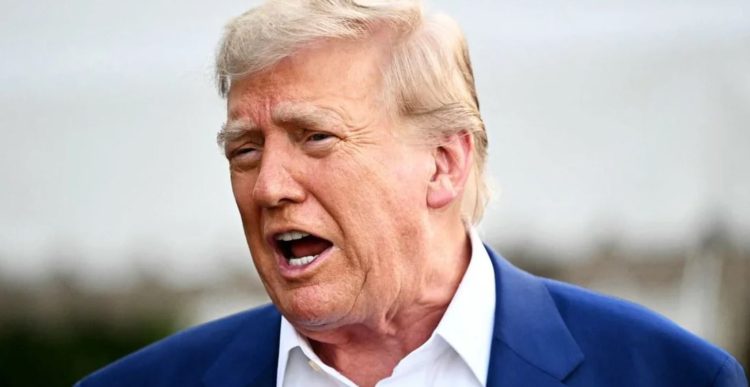
Trump, known for his unfiltered rhetoric, did not hold back his frustration. In a press conference, he lambasted both nations, stating they “don’t know what the eff they’re doing.” He took to his Truth Social platform, pleading with Israel: “ISRAEL. DO NOT DROP THOSE BOMBS. IF YOU DO IT IS A MAJOR VIOLATION. BRING YOUR PILOTS HOME, NOW!”
Despite his public admonitions, Trump’s private conversations revealed deeper concerns. According to White House officials, he was “exceptionally firm and direct” with Israeli Prime Minister Benjamin Netanyahu, emphasizing the need to sustain the ceasefire.
No Love Lost
The ceasefire between Israel and Iran didn’t only strain relations between those two nations—it also revealed some sharp disagreements between President Donald Trump and Israeli Prime Minister Benjamin Netanyahu. Trump, who brokered the deal, was clearly irritated when both sides appeared to break the agreement almost immediately. He didn’t hide his frustration, especially with Israel. In a rare rebuke of America’s close ally, Trump said bluntly, “I’m not happy with Israel,” criticizing the heavy airstrikes they launched within hours of the ceasefire taking effect. He believed Israel’s response was overly aggressive and undermined the truce before it had a chance to hold.
Behind the scenes, Trump reportedly spoke directly to Netanyahu and didn’t mince words, warning the Israeli leader not to escalate the situation further. Trump emphasized that both sides needed to commit to the ceasefire and avoid dragging the region back into open conflict.
Netanyahu, however, had a different take. He insisted that Israel had already accomplished its military objectives and agreed to the ceasefire only on the condition that Israel could respond forcefully to any violations. In his view, the strikes were justified because they were defensive in nature, not an act of aggression. He publicly thanked Trump for his role in negotiating the truce, but made it clear that Israel wouldn’t sit idly by if provoked.
At the core of the disagreement was a difference in how each leader viewed the ceasefire. Trump wanted a clear, disciplined halt to hostilities. Netanyahu saw it more as a pause—conditional and dependent on Israel’s right to strike back if threatened. Those conflicting views made it harder to hold the line, and they reflect deeper challenges in balancing military pressure with political diplomacy in one of the world’s most volatile regions.
The Fallout and Future Implications
The collapse of the ceasefire has significant implications for the Middle East. European leaders, including French President Emmanuel Macron and German Chancellor Friedrich Merz, urged both sides to adhere to the truce, warning of the potential for a broader regional conflict.
Iran’s Supreme Leader, Ayatollah Ali Khamenei, faces a pivotal moment. With significant damage to Iran’s nuclear infrastructure, there are concerns about potential covert uranium enrichment. Meanwhile, Israel’s aggressive stance raises questions about the long-term stability of the region.
Trump’s own words suggest a shift in strategy. He stated he was seeking a “real end” to the conflict, not just a temporary ceasefire. This indicates a desire for a more permanent resolution, potentially involving significant concessions from Iran regarding its nuclear program.
What’s Next?
The collapse of the ceasefire between Israel and Iran laid bare the raw futility of trying to strong-arm peace into a region fueled by decades of bad blood and ballistic missiles. Trump’s deal-making swagger ran headfirst into the region’s entrenched hostilities, and within hours, both sides were back to lobbing fire across borders. Any talk of lasting peace now feels more like wishful thinking than strategy.
The world isn’t holding its breath—it’s bracing for what comes next.








COMMENTS