

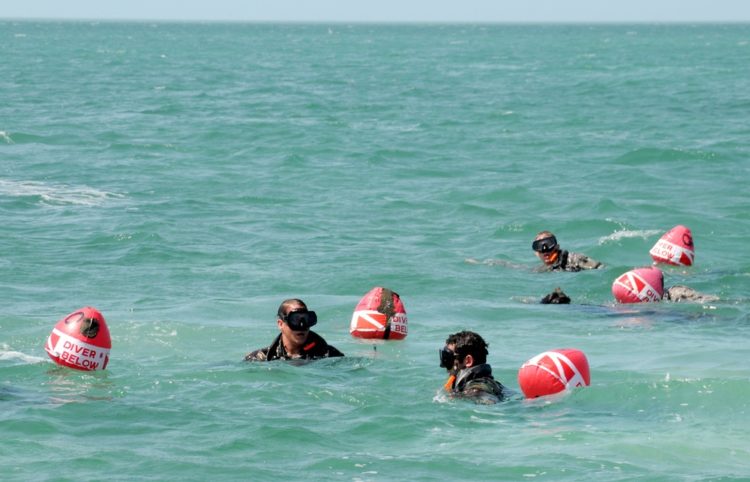
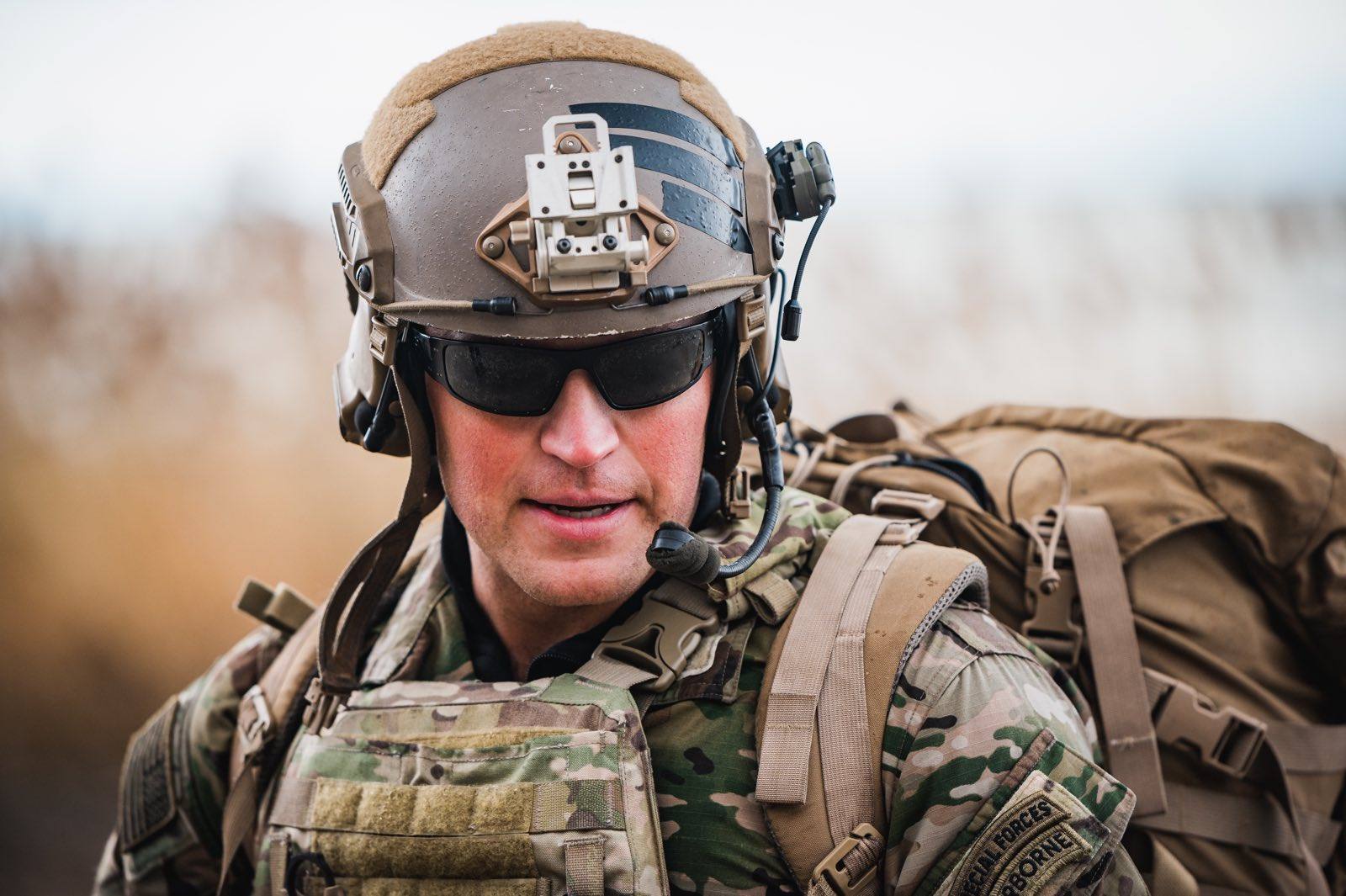
And this may be at the heart of the issue.
These instructors are not only responsible for the safety of trainees, but also for reporting accidents during training. This would naturally result in a tendency for instructors to underreport or minimize the severity of accidents since they would be held responsible for them. The effect of this could be a slackening of safety standards and procedures resulting in a breakdown of safety procedures.
Another issue that may mask the hazards is the manner in which the Army categorizes these deaths during water training. Outside of the military, civilian coroners who find water in the lungs of a deceased person will generally report the cause of death as drowning since most civilian drownings occur during recreational swims in lakes rivers, and the ocean.
These training deaths in the MAC and CDQC did not occur during leisurely recreational swims, but during swims that involve very high levels of physical exertion and mental stress. When cardiac arrest occurs in the water, the incapacitated trainee also drowns. Cardiac arrest may have caused the incapacitation, but it also caused the victim to inhale water into their lungs and then drown. If the Army finds the heart attack to be the cause of death, it isn’t likely to raise safety concerns whereas two drownings in a couple of months certainly would.
In the case of SSgt. Walker, the Army is reporting that his death was not due to drowning, but has not announced the cause of his death after more than two months. Either the Army doesn’t know, or it would rather not say.
SOFREP contacted the Public Affairs Officer of the 1st Special Forces Group headquarters and inquired about the status of the investigation into the death of SSgt Walker in July, and whether the cause of death has been determined. We also asked if safety swimmers/instructors were in the water during these mishaps as per Army directives on conducting these exercises. We have not yet received a response.
There are facts that point away from an underlying and undiagnosed medical issue present in both these young soldiers that contributed to their deaths in the water during training.
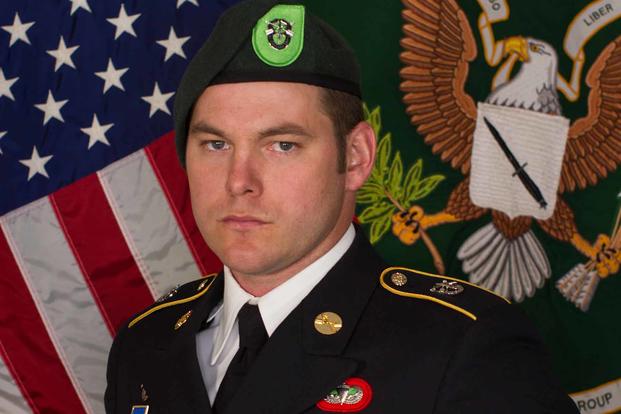
Both Walker and Olmstead could be presumed to have exceptionally good health to qualify and retain their status as Green Berets on active duty. Both were under the age of 30, fit, and strong. The physical training regimen for those in Special Forces would be ongoing with an emphasis on their cardio-fitness.
Prior to attending MAC and CDQC, both received elaborate Dive Physicals to assure that neither had heart or respiratory problems that could prove debilitating or fatal in training. These Dive Physicals are as extensive and specialized as the Flight Physicals given to service members in military aviation. The results of these Dive Physicals are reviewed and signed off by Army Flight surgeons.
There is a well-known and studied risk of sudden death from cardiac arrest during high exertion swimming. A story published by Cardiovascular Business in September 2017, cited a study published in The Annals Of Internal Medicine that examined sudden death in triathletes during competition. The researchers reported that fully 67 percent of deaths during triathlons occurred during the swimming portion of the event. Whether the triathlon was of long duration or a “sprint” event made no apparent difference in the risk. The average age of the deceased was 47; 85 percent of the deaths were among men. Some of these deaths were attributed to Long QT Syndrome.
Long QT Syndrome is something that the Army is familiar with and on which it has a specific policy. The Army Class II Physical required for trainees to begin CDQC requires screening for Long QT Syndrome as outlined in this memorandum of July 2014. While a service member having congenital or acquired Long QT Syndrome can be retained in the military if the condition responds to treatment the condition leads to medical disqualification in either MAC or CDQC.
If the Army is attributing deaths occurring during swim training to cardiac arrests instead of drownings resulting from a heart attack, it could obscure a serious safety issue in the CDQC and MAC courses regarding how students are being screened medically, how the training is conducted, and how well the safety of the students is being supervised by instructors. Green Berets are trained to ignore pain and discomfort by constant training. In a water environment, ignoring the kind of pain and discomfort common with physical training on land can be fatal as it may signal a pending cardiac arrest.
Again, instructors are there to watch over the trainees, identify those in distress and ensure their safety in the water.
The deaths of two Green Berets suggest there may be a serious safety problem that needs to be examined from the standpoint of instructor training and responsibility which is where the problem seems to lie, just below the surface.








COMMENTS