

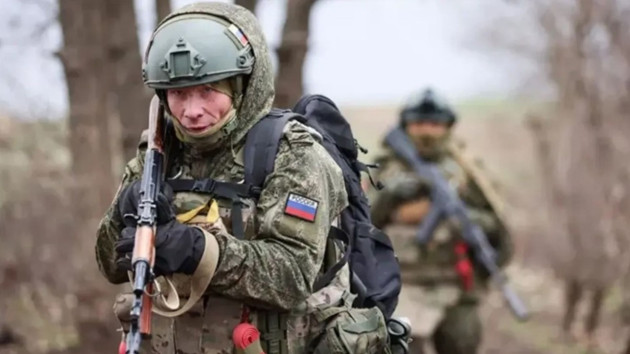

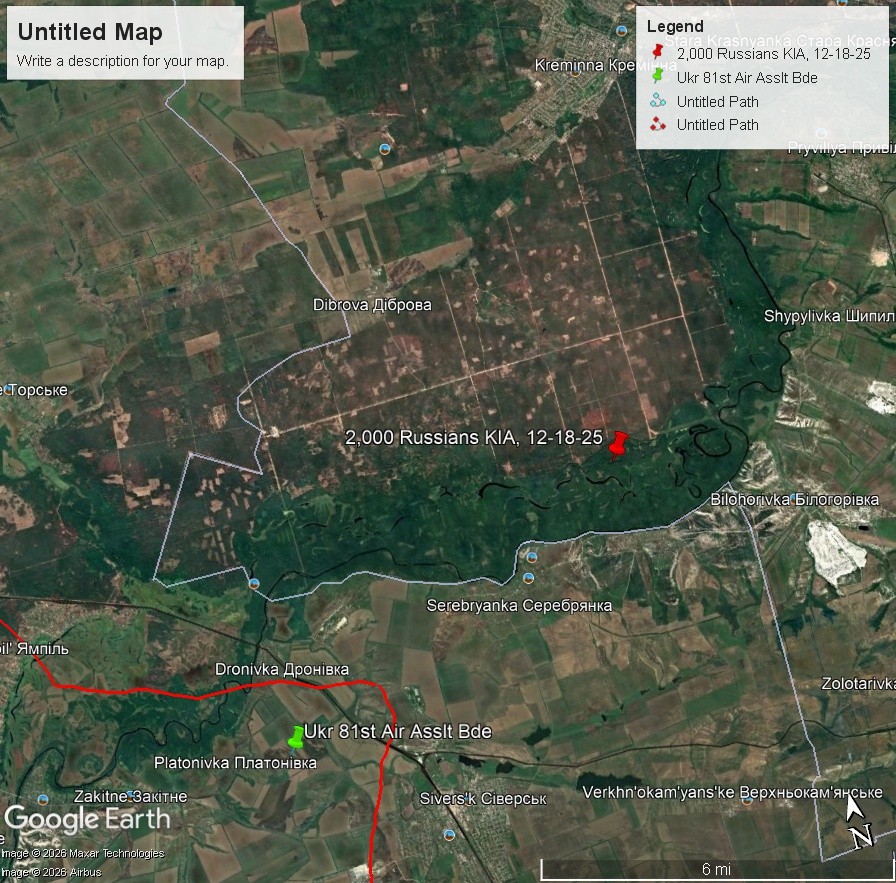
These units were assisted by the 81st Air Assault Brigade of the 7th Corps, and its “Apache” drone battalion, in the area of responsibility of the 63rd Mechanized Brigade, and they were aided by the once-controversial, 12th Special Forces Brigade “Azov” of the National Guard, part of the 1st Azov Corps. The Azov Brigade consists of the 1st, 2nd, 5th, and 6th Special Forces Battalions, the 3rd International Battalion (with volunteers from much of Europe, Brazil, and the U.S.), a special purpose reconnaissance unit, plus T-64BV tanks, artillery, electronic warfare, drones, antiaircraft missiles, and sniper teams.
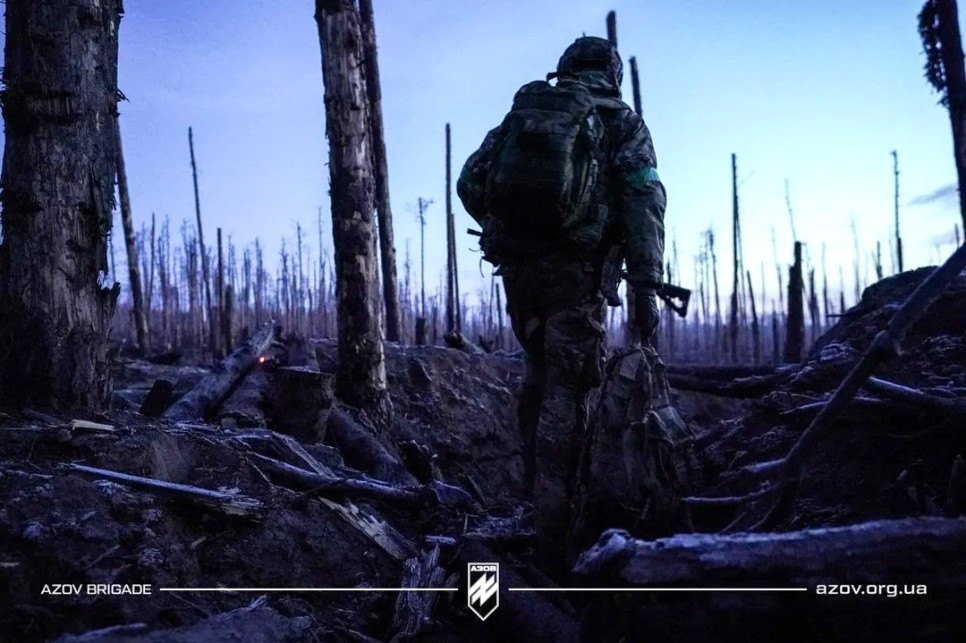
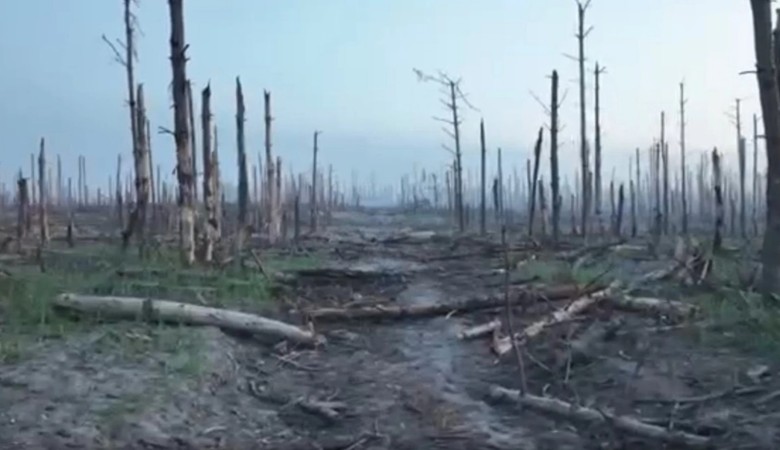
The Serebriansky Forest has been on the front lines of battle since the fall of 2022, six months into the war, with Ukraine maintaining overall control until the Russian offensive of August 5, 2025, which turned the green forest into a major battlefield. By November 8, 2025, Russian troops had seized the entire region.
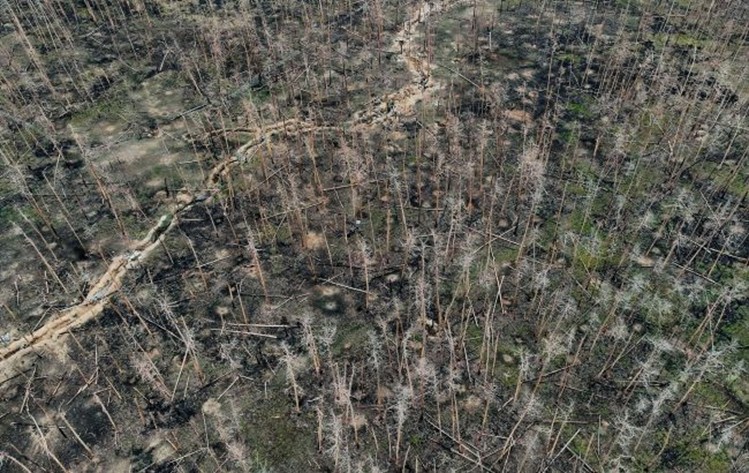
Most recently, the Russians were marshalling their forces under the dense cover of the forest, and attempting to cross the Siverskyi Donets River on a daily basis, to resupply their troops on the front lines farther southwest. They were also trying to bypass Dronivka, on the front lines, by following the river westward in small groups, to strike Platonivka and Zakitne, behind Ukrainian lines, in a flanking movement.
Ukrainian drones in synchronized swarms conducted real-time reconnaissance, and executed precision strikes, identifying Russian personnel and equipment hidden beneath forest cover.
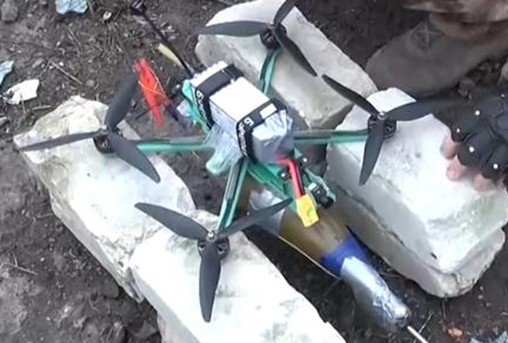
Ukraine and Russia are both actively developing attack drones, using jam-proof, fiber-optic communications technology. These have several distinct advantages, particularly in extending drone range, which could soon reach 20 to 30 miles. These newer drones transmit images and receive commands through ultra-thin, fiber-optic cables that unwind from a spool during flight, but this also litters the ground below with a crisscrossing web of super-thin cables.
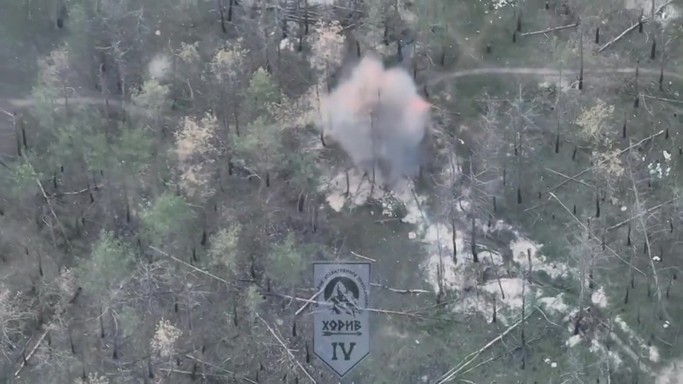
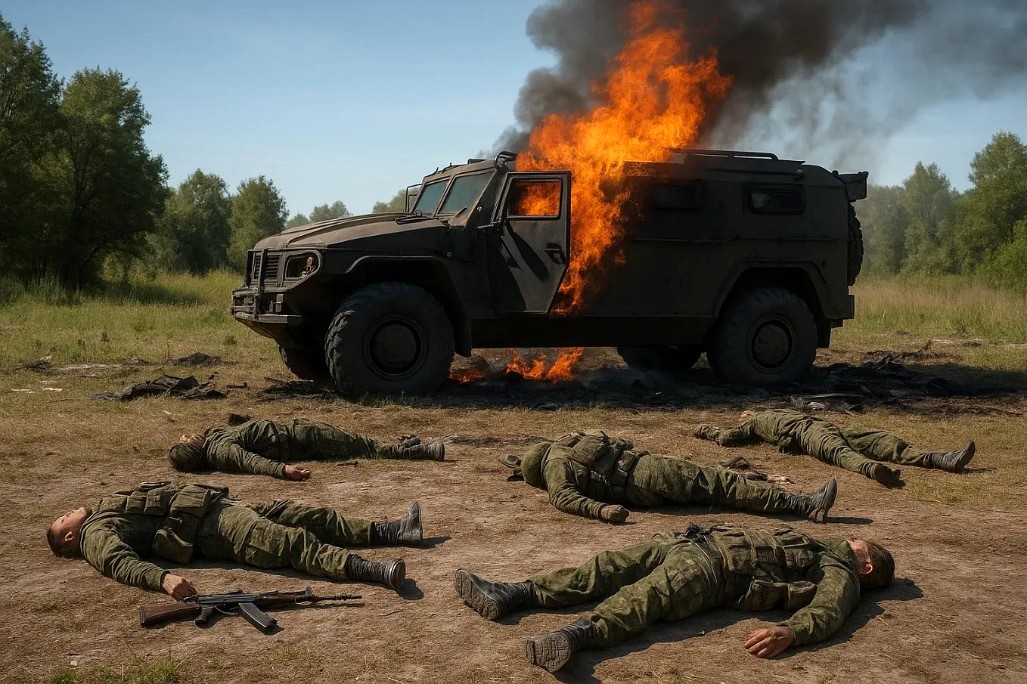
This audacious attack on December 18th clearly highlights Ukraine’s evolving tactics, to offset Russia’s numerical manpower advantage through high-technology, precision weaponry and seamless coordination between various units in the field.
Elsewhere on the battlefield, but especially in the Donetsk and Zaporizhzhia regions, Ukrainian drone strikes were wreaking utter havoc on enemy forces, with six Russian air defense systems (mostly SA-13s) and an ammunition depot destroyed in just 48 hours, on January 13th and 14th, ranging from 28 to 100 miles behind Russian lines. And earlier, on January 1st, Ukrainian drone units destroyed an SA-15 Gauntlet missile system, and the fire control radar for an advanced, SA-28 Vityaz (“Knight”) air defense missile system.
Well beyond the front lines, Ukraine’s DeepStrike drone campaign is taking a severe toll on Russian infrastructure and the air defense network, with 10 oil depots blasted in the first two weeks of this year, in Bryansk, Rostov-on-Don, Voronezh, Krasnodar Krai, Belgorod, and other locations.
In addition, 1,548 Ukrainian drones pounded the Russian capital of Moscow in first week of this year alone, overwhelming the concentric rings of SA-20B Gargoyle and SA-21B Growler air defense missile sites, which were all specifically designed to target aircraft, with larger radar cross-sections, and not stealthy, composite drones with almost no radar signature at all.
But even with losing an entire regiment in the Serebriansky Forest in one bold strike, and nearly 1.2 million casualties over the past four years (418,000 last year alone), Russian military recruiting continues to exceed 406,000 new soldiers per year, assisted on the front lines by nearly 12,000 North Korean troops, at least 1,000 to 5,000 (or more) Cuban mercenaries, and 18,000 additional foreign nationals from 128 countries! At what point do we realize that this is already a world war?
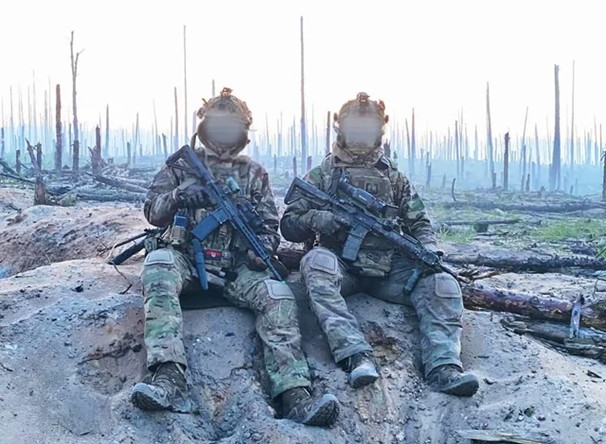
The lesson from this highly successful attack is the classic, Biblical, David-versus-Goliath scenario, with the Russian Federation acting thuggishly in massed, frontal assaults, and the smaller underdog, Ukraine, forced to compensate by adopting clever tactics, advanced weaponry, better battlefield cooperation and coordination, and the sheer tenacity to keep fighting, even when faced with seemingly insurmountable odds.








COMMENTS