

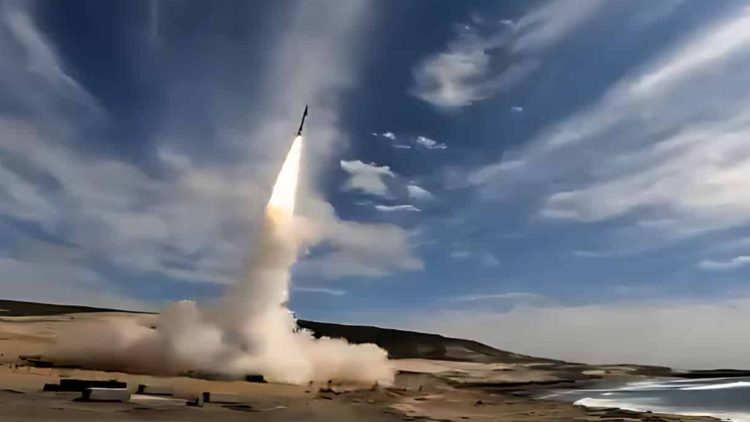
The HVGP program is part of a broader effort to enhance Japan’s stand-off strike capabilities, providing a robust deterrent against regional threats. For the US, supporting Japan’s defense modernization efforts helps to ensure a strong, stable, and cooperative ally in a critical region.
🇺🇸🇯🇵 The US State Department has approved a possible Foreign Military Sale to Japan of equipment and services in support of its indigenous Hyper Velocity Gliding Projectiles (HVGP) capability, for an estimated cost of $200 million.
Equipment and services would be provided by the… pic.twitter.com/CisqG6pUbE
— Colby Badhwar 🇨🇦🇬🇧 (@ColbyBadhwar) March 10, 2025
A Stronger Defense for Japan’s Remote Islands
One of the primary objectives of the HVGP program is to help Japan defend its remote islands, many of which are located in strategic waters vulnerable to military threats.
Japan has been particularly concerned about the security of these islands in light of growing tensions in the region, especially with China’s increasing naval presence in the South China Sea and its territorial ambitions in the East China Sea.
The HVGP system, with its long-range precision capabilities, will provide Japan with a powerful tool to secure its territorial integrity and enhance its defense posture.
This proposed sale is designed to improve Japan’s ability to respond to these threats in the short and long term, ensuring that Japan remains capable of protecting its national interests and maintaining regional stability.
As a critical ally in the US-led security framework in the Indo-Pacific, Japan’s enhanced defense capabilities directly contribute to the security of the region, and the HVGP will play a crucial role in this strategic defense effort.
What’s Included in the Deal
The $200 million sale encompasses several critical components, including test preparation, transportation support, and coordination meetings between US and Japanese defense officials.
These meetings will facilitate the sharing of expertise and ensure that the HVGP program is successfully integrated into Japan’s defense strategy. This agreement is expected to have minimal impact on US defense readiness, with no need for additional US personnel to be stationed in Japan, making it a seamless addition to both nations’ military cooperation efforts.
.@StateDept🇺🇸 authorizes a Foreign Military Sales #FMS case for #Japan‘s🇯🇵 purchase of Hyper Velocity Gliding Projectiles Capability Support and related equipment for an estimated cost of $200 million. #FMSUpdate– https://t.co/iy2S3KXDN5 pic.twitter.com/akcMGPR5J3
— Political-Military Affairs, US Dept of State (@StateDeptPM) March 10, 2025
While the total dollar value of the deal is based on initial estimates, the final cost may vary depending on Japan’s specific requirements, budget, and the final sales agreement.
It is also worth noting that, at present, no offset agreement has been proposed in relation to this sale, although such arrangements could be addressed during negotiations between Japan and the US contractors involved.
Impact on Regional Security
The HVGP sale is part of a broader trend of defense modernization efforts by Japan, which has been increasing its military capabilities in response to rising threats in the region. This includes concerns over China’s military expansion, North Korea’s missile tests, and growing tensions in the East and South China Seas.
Japan’s commitment to developing its defense capabilities, particularly through the HVGP program, reflects its desire to maintain a strong deterrent force and protect its interests in the region.
The US has long been committed to supporting Japan’s defense modernization, and this sale is a key element of that broader partnership. It ensures that Japan is better equipped to face evolving security challenges, while also contributing to the collective security architecture of the Indo-Pacific region.
As China’s influence continues to grow and regional conflicts remain a concern, the US and Japan’s defense cooperation plays an essential role in maintaining peace and stability in the area.








COMMENTS